
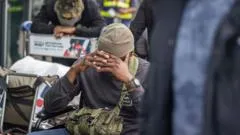
Zimbabweans arrested in South Africa for Ukraine war bid
Nine Zimbabweans arrested in South Africa were caught allegedly attempting to leave the country to participate in the ongoing war between Russia and Ukraine. The group, consisting of individuals aged between 20 and 26, was apprehended by a multidisciplinary team in Johannesburg and at OR Tambo International Airport on a Sunday evening. Authorities stated the suspects were preparing to board flights, though their specific destination and intended side of the conflict remain unconfirmed. They face charges under the Regulation of Foreign Military Assistance Act, which prohibits unauthorized mercenary activity.
November 16, 2026
4 min read
Source: ASHENVOW
Details of the arrests in Johannesburg and OR Tambo
Nine individuals from Zimbabwe were detained by law enforcement agencies during coordinated operations in the Johannesburg area. According to police reports, the arrests occurred on a Sunday evening as the group was in the process of preparing to board flights out of South Africa. The operation was conducted by a multidisciplinary team that included the involvement of Interpol, suggesting the case has international legal dimensions.
The arrests were split between two primary locations:
- OR Tambo International Airport: Five individuals were apprehended at South Africa's largest aviation hub.
- Bruma, Johannesburg: Four individuals were detained at a hotel located east of the city.
Following their detention, all nine suspects appeared in court, as confirmed by state prosecutors. While the suspects were caught in transit, authorities have not yet clarified whether the group intended to fight on behalf of Ukraine or Russia, nor have they identified the specific organizations that may have been facilitating their travel arrangements.
Legal implications under the Regulation of Foreign Military Assistance Act
The suspects have been formally charged with violating South Africa's Regulation of Foreign Military Assistance Act. This specific legislation is designed to prevent unauthorized combat involvement by outlawing mercenary activity unless explicit government permission has been granted. The application of this law highlights the South African government's stance on citizens or foreign nationals using its territory to facilitate private military engagements.
The role of international law enforcement
The involvement of Interpol in the operation indicates that the suspects' actions likely involve violations of laws within their home country of Zimbabwe. According to police statements, the cooperation between South African authorities and international agencies was prompted by the suspicion that the individuals had breached domestic statutes regarding military service or recruitment. This cross-border legal coordination is a standard response when suspects are suspected of preparing for activities that constitute international crimes or unauthorized combat participation.
Context of African recruitment in the Russia-Ukraine war
The arrest of these nine Zimbabweans occurs amidst a broader trend of African nationals being drawn into the conflict in Ukraine. While the specific motives of the Johannesburg group remain unknown, reports indicate that various citizens from across the continent have been involved in the fighting, sometimes through deliberate recruitment and other times through deception. A Ukrainian intelligence assessment from earlier this year estimated that more than 1,700 individuals from 36 different African nations have been recruited to fight for Russia.
The following table outlines reported figures regarding African involvement in the conflict as provided by various official sources:
The distinction between voluntary combatants and those deceived by fraudulent job offers remains a significant factor in the geopolitical tension surrounding these recruitments.
Government responses and diplomatic efforts in Africa
Several African governments have taken active steps to address the recruitment of their citizens into the conflict. In Kenya, the issue reached a diplomatic level in March when Foreign Minister Musalia Mudavadi visited Moscow. According to the Minister, an agreement was reached during that visit to halt the recruitment of Kenyan nationals into the war effort. This follows intense domestic pressure from families seeking the return of their relatives who were allegedly lured by false promises.
Zimbabwe has also reported significant casualties among its population. In March, the country stated that 15 of its nationals had been killed after being recruited to fight for Russia in Ukraine, with more than 60 others remaining on the frontlines. These figures underscore the human cost for African nations involved in the proxy elements of the war. In South Africa, the legal crackdown has extended beyond those traveling to fight; in December of last year, authorities arrested five individuals, including a journalist, on suspicion of recruiting others to join the conflict.
Patterns of deception and fraudulent recruitment
A recurring theme in the involvement of African nationals is the use of lucrative but fraudulent job offers to lure individuals into military service. Many victims report that they were not aware they were being recruited for combat until they had already arrived in the conflict zone. This pattern of deception has led to significant diplomatic friction and has prompted various nations to increase surveillance on travel patterns and recruitment networks.
The recent arrests in South Africa highlight the ongoing difficulty law enforcement faces in intercepting these movements before they reach the theater of war. Whether the nine Zimbabweans were victims of such a scheme or intentional combatants remains a central question for the ongoing judicial proceedings in Johannesburg.
| Country | Reported Data / Status | Source |
|---|---|---|
| Kenya | 252 citizens estimated to have been illegally conscripted in Russia | Kenyan estimates |
| Zimbabwe | 15 nationals killed; over 60 reported trapped on frontlines | Zimbabwean authorities (March) |
| South Africa | 17 citizens secured for return after being allegedly tricked | South African authorities |



