
World Kindness Day: How small acts of altruism create social ripples
World Kindness Day is observed annually on November 13 to promote acts of compassion and strengthen human connections. Established by various kind-minded organizations on November 13, 1998, the day encourages individuals to perform even modest gestures of goodwill. Research suggests that these actions are not isolated events; rather, they function as social contagions. According to Dr. Junaid Nabi, a physician-scientist at the RAND School, kindness can be socially contagious, making recipients 25% more likely to help others, thereby creating expanding ripples through social networks.
November 19, 2026
4 min read
Source: ASHENVOW
The origins and philosophy of World Kindness Day
World Kindness Day began on November 13, 1998, when a group of international organizations decided to dedicate a specific date to the promotion of altruism. One of the foundational participants in this movement is the Small Kindness Movement of Japan. The core philosophy of the day is that no deed is too insignificant to acknowledge or perform.
The movement emphasizes that even minor, practical actions can have significant local impacts. For example, the Japanese movement previously recognized a taxi driver who stopped his vehicle to remove trash bags from the road to prevent accidents. According to a report in the Christian Science Monitor, the driver dismissed the act as "no big deal," highlighting a recurring theme in altruism: the humility of the giver.
The scale of kindness
While the day encourages global participation, the focus remains on individual, manageable actions. Whether it is a professional gesture or a private moment of connection, the goal is to foster a culture where generosity is a standard social interaction rather than an exception.
The psychological and social ripple effect of generosity
Acts of kindness function as more than just individual emotional boosts; they act as catalysts for broader social behavior. Dr. Junaid Nabi, a senior fellow at the Aspen Institute and a physician-scientist at the RAND School in Washington, D.C., describes kindness as a stone dropped into water that creates expanding ripples.
Scientific observations support the idea that kindness is measurable within social networks. Dr. Nabi notes that when an individual receives kindness, they become 25% more likely to assist others. This phenomenon was notably documented during a "pay it forward" event in Winnipeg, Canada, in December 2012. At a Tim Hortons coffeehouse, a single stranger paid for the coffee of the customer behind them in the drive-through line. This single act triggered a chain reaction that continued through 226 subsequent customers.
Researchers suggest that this behavior occurs even in the absence of external sanctions or direct opportunities for the original giver to receive anything in return. The prevailing theory is that generosity toward strangers is socially contagious, driven by the observation of help being rendered to others.
Kindness as a component of human healing and connection
Beyond social networks, kindness plays a critical role in individual well-being and professional environments, particularly in healthcare. Maymunah Yusuf Kadiri, a neuro-psychiatrist and mental health advocate in Nigeria, shares how a simple gesture influenced her medical practice. While working as a young doctor in the emergency room at Lagos State University Teaching Hospital in 2004, Kadiri faced extreme exhaustion and physical tremors due to a 12-hour period without food.
An elderly hospital cleaner provided Kadiri with a small bag containing a biscuit and water, telling her, "Doctor, you need small strength to save people." Kadiri reflects that this moment taught her that healing is not strictly a medical process but a human one. She maintains that patients do not just heal within the confines of a hospital, but through the strength of human connections.
The intersection of empathy and profession
This intersection is also visible in community roles where empathy bridges the gap between authority and the public. In Guatemala City, a police officer was observed assisting an indigenous woman as she stepped off a bus during heavy rain. The woman was part of a delegation of war survivors seeking information regarding missing family members. The gesture was noted by observers as an unexpected moment of kindness from a representative of the state, signaling shifts in social dynamics over time.
Economic and communal dimensions of altruism
Altruism often manifests in economic ways, particularly in communities where resources are scarce. In northern Ecuador, a fruit seller named Juana practices a form of communal support by allowing customers to pay for her strawberries at a later date when funds are tight. In exchange, her long-time clients often provide her with snacks when she is too busy to eat.
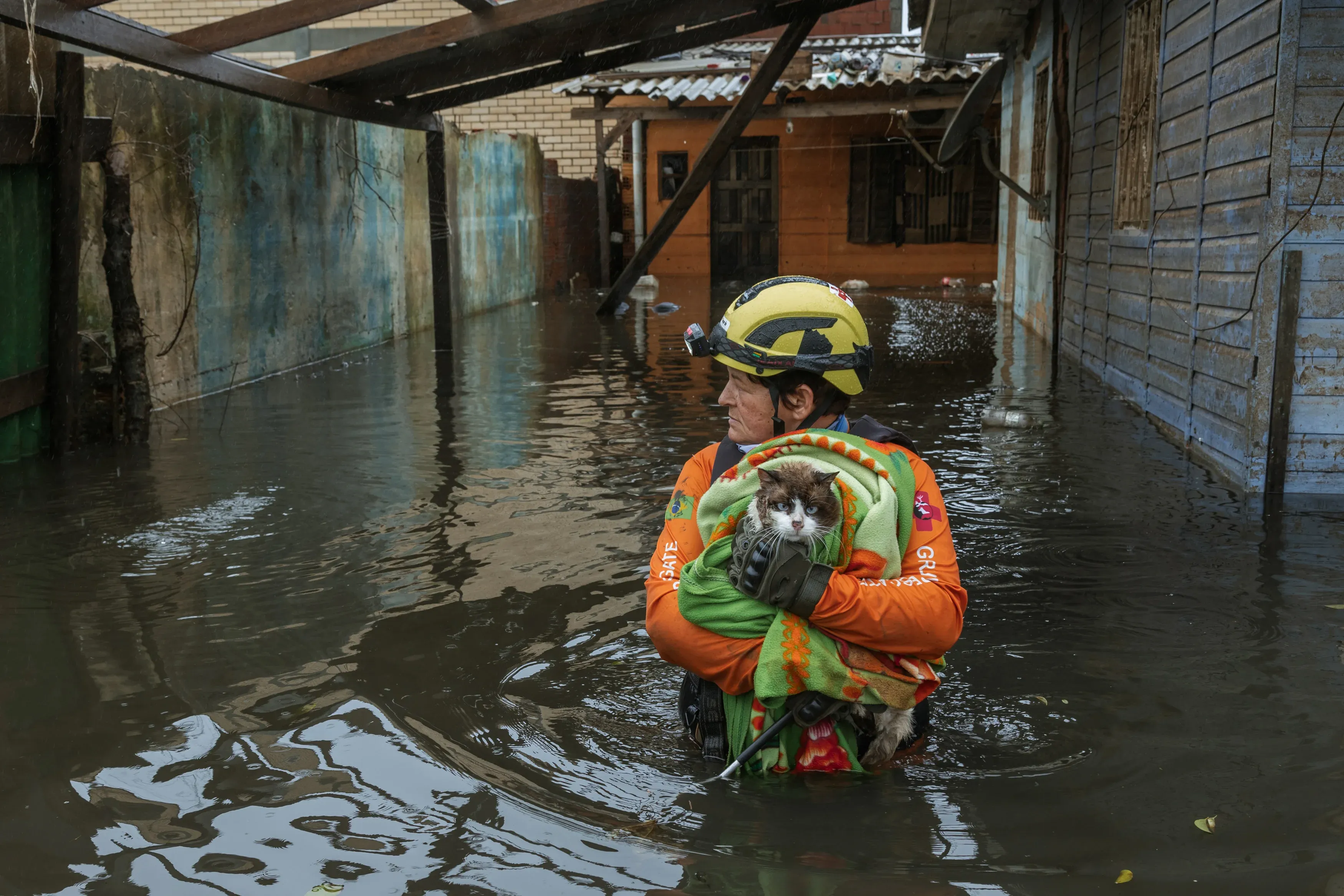
This reciprocal arrangement demonstrates how kindness functions as a survival mechanism and a social glue. It creates a cycle of giving and receiving that sustains both the provider and the consumer. Similarly, the concept of altruism extends to the protection of the vulnerable, including animals. In Bolivia, a man named Curepa rescued baby parrots found in a tree trunk following the 2019 fires, demonstrating that the impulse to protect life extends across species.
| Type of Kindness | Primary Driver | Observed Result |
|---|---|---|
| Socially Contagious | Observation of help | 25% increase in likelihood to help others |
| Reciprocal/Communal | Economic necessity | Strengthened community ties and food security |
| Professional/Empathetic | Human connection | Improved mental health and patient outcomes |
The paradox of the kind-hearted non-actor
Despite the documented benefits of altruism, psychological research identifies a complex paradox regarding why people do or do not act. Researchers studying the psychology of giving have found that individuals can possess a genuine desire to help others yet fail to take action. This gap between intention and behavior is a central focus in the study of altruism and strategy.
Understanding this paradox is essential for moving from the intention of kindness to the actualization of it. While the impulse to be kind is a fundamental human trait, the transition from feeling empathy to performing a deed requires overcoming psychological barriers that can prevent even the most well-meaning individuals from intervening in moments of need.



