
Ranked-choice voting: How it works in US elections 2026
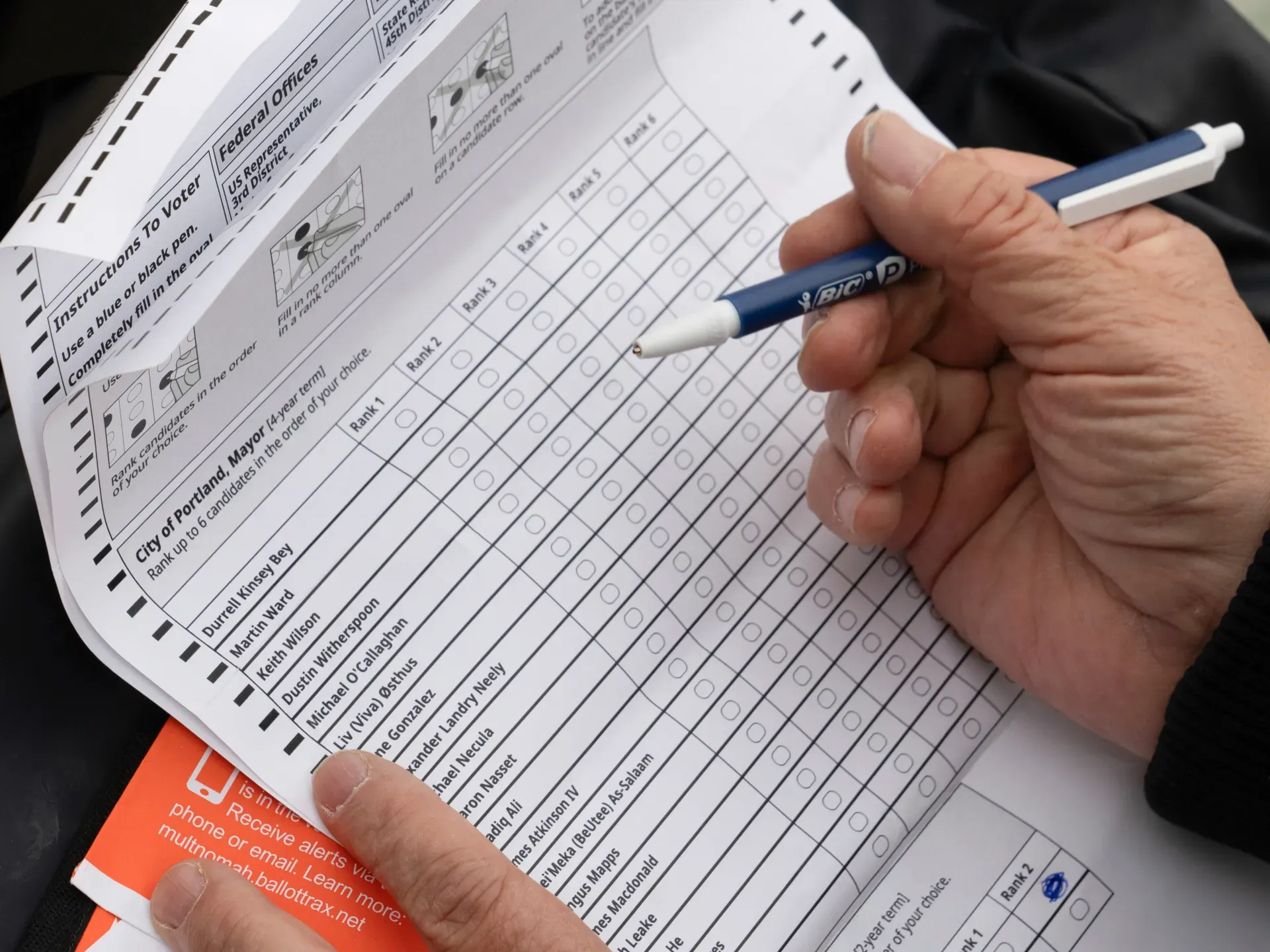
Ranked-choice voting is a preferential electoral system that allows voters to order candidates by preference rather than selecting a single individual. In the United States, this method is currently employed at the state level in Alaska and Maine, and in major municipalities like New York City. As the 2026 midterm elections approach, the system is under intense scrutiny due to unique ballot challenges in Alaska. This article explains the mechanics of the voting process, the debate over its democratic impact, and the legal controversies surrounding its application in current US races.
November 8, 2026
6 min read
Source: ASHENVOW
How does ranked-choice voting work in practice?
Ranked-choice voting (RCV) functions by allowing voters to assign a numerical preference to every candidate on their ballot. Instead of the traditional 'first-past-the-post' method where the candidate with the most votes wins regardless of whether they hold a majority, RCV seeks to ensure the winner has broad support. If a candidate secures more than 50 percent of the first-choice votes in the initial tally, they are immediately declared the winner.
When no single candidate reaches the 50 percent threshold, the system initiates a series of redistribution rounds:
- The candidate who received the fewest first-choice votes is eliminated from the race.
- The ballots belonging to those voters are not discarded; instead, they are transferred to the voters' second-choice candidates.
- This process of elimination and redistribution continues until one candidate achieves a majority of the remaining votes.
A critical distinction between RCV and a traditional runoff election is efficiency. In a standard runoff, voters must return to the polls on a separate date to choose between the top two candidates. In contrast, RCV determines the winner through successive rounds of counting within a single election cycle, potentially saving time and administrative costs.
The mechanics of ballot transfers
It is important to understand that if a voter only selects one candidate and that individual is eliminated during the early rounds, that specific ballot can no longer participate in the redistribution process. This means the vote effectively becomes 'exhausted' and does not contribute to the final majority calculation. This mechanic requires voters to be diligent in ranking multiple candidates to ensure their voice remains active throughout the counting process.
What are the primary benefits and drawbacks of this system?
Proponents and critics of ranked-choice voting offer starkly different perspectives on its impact on democratic health. Supporters argue that the system fundamentally changes voter psychology by removing the 'spoiler effect.' This phenomenon occurs in traditional systems when a third-party or minor candidate draws votes away from a major-party candidate with similar views, inadvertently helping an opposing candidate win.
By allowing voters to express their true preference without fear of 'wasting' their vote, RCV encourages more diverse viewpoints to enter the race. Advocates suggest this creates an incentive for candidates to appeal to a broader base of voters, as they may need to seek second-choice support from their opponents' supporters to win. This can lead to a more civil and collaborative political environment.
However, the system is not without significant criticism. Detractors frequently point to the increased complexity of both the voting process and the subsequent tabulation. Complexity in the counting process can lead to delays in announcing results, which some argue can undermine public confidence in election integrity. Furthermore, there are concerns regarding voter error during the marking of ballots.
| Feature | Traditional Voting | Ranked-Choice Voting |
|---|---|---|
| Selection Method | Single choice only | Ordered list of preferences |
| Winner Requirement | Plurality (most votes) | Majority (over 50%) |
| Spoiler Effect | High risk | Mitigated through transfers |
| Complexity | Low | Moderate to High |
Data from a 2025 study published in the journal Political Behavior highlights these concerns, suggesting that approximately 4.8 percent of ranked-choice ballots are "improperly marked." While the study noted that not all of these ballots result in invalidation, the margin remains a point of contention for those advocating for simpler electoral models.
Why is ranked-choice voting causing controversy in Alaska?
The 2026 Alaska Senate race has become a focal point for RCV debate due to a rare occurrence: two candidates sharing the same surname. The presence of both an incumbent, Senator Dan S. Sullivan (a registered Republican), and a challenger, Daniel J. Sullivan Jr. (an unaffiliated teacher), has raised significant concerns regarding voter confusion and the potential for accidental misranking.
The controversy is compounded by political allegations. A report from the New York Times suggested that the challenger may have been recruited by Democratic interests to act as a 'spoiler' candidate, a role intended to siphon votes away from the Republican incumbent. While the challenger maintains his candidacy is genuine, the situation has created a volatile political landscape.
The legal implications have escalated to the federal level. Following a June ruling by the Alaska Supreme Court that allowed both candidates to remain on the ballot, President Donald Trump filed a lawsuit against the state. The lawsuit seeks to block the certification of the Senate election results if the incumbent loses, arguing that the name similarity could fundamentally distort the outcome. Alaska officials and Democratic leaders are currently challenging this legal action, noting that election administration is traditionally a state-level responsibility under the U.S. Constitution.
Where else is ranked-choice voting being implemented?
While Alaska and Maine are the only two U.S. states currently using RCV for all territory-wide elections, the practice is gaining momentum at the local and regional levels. Major urban centers have increasingly adopted the system to manage multi-candidate fields and ensure majority mandates for local leaders.
Current implementation includes:
- New York City and San Francisco: Major metropolitan areas using RCV for local elections.
- Washington, D.C.: Scheduled to adopt RCV for both federal and local elections starting in 2026.
- Hawaii: Utilizing the system for specific special elections.
- Virginia: Recently approved legislation to expand the use of the practice.
Despite this growth, RCV faces significant legislative resistance. According to the National Conference of State Legislatures, an estimated 19 states currently have laws that either prohibit or place restrictions on the use of ranked-choice voting, reflecting a deep national divide over electoral reform.
FAQ: Ranked-choice voting
How does RCV prevent the 'spoiler effect'?
RCV prevents the spoiler effect by allowing voters to rank a third-party candidate first without losing their influence. If the third-party candidate is eliminated, the voter's preference automatically shifts to their second choice, ensuring the vote still counts toward a major candidate.
Do I have to rank every candidate on the ballot?
No, you are not required to rank every candidate. However, if you only rank one candidate and that person is eliminated in an early round, your ballot will not be able to transfer to anyone else and will not impact the final tally.
Is RCV the same as a runoff election?
They are similar in goal but different in execution. A runoff requires a second, separate election day for voters to choose between top candidates. RCV achieves the same majority result through multiple rounds of counting within a single election event.
Why are some people against ranked-choice voting?
Critics argue that RCV is too complicated for voters and that the counting process is too slow. There are also concerns that the complexity could lead to higher rates of improperly marked ballots and decreased trust in the final results.
Which states use this system?
Currently, Maine and Alaska use ranked-choice voting for their state-wide elections. Additionally, several large cities like New York City and San Francisco use it for local contests, and Washington, D.C. is set to implement it in 2026.
Key takeaways
- Ranked-choice voting ensures winners achieve a majority through successive rounds of redistribution.
- The system aims to reduce the 'spoiler effect' and allow for more diverse candidate fields.
- Critics cite increased complexity and a 4.8% improper marking rate as primary concerns.
- Alaska's 2026 Senate race faces unique scrutiny due to two candidates named Sullivan.
- Approximately 19 U.S. states currently restrict or prohibit the use of RCV.
The evolving landscape of American voting
Ranked-choice voting represents a significant shift from traditional American plurality voting, moving toward a model that prioritizes majority consensus. While proponents see it as a tool for revitalizing democracy and reducing polarization, the challenges in Alaska highlight how the system can become a lightning rod for legal and political conflict. As more jurisdictions like Washington, D.C. prepare for implementation, the tension between electoral innovation and administrative simplicity will likely remain a central theme in U.S. political discourse.



