How will the Steam Frame CAD files impact VR customization?
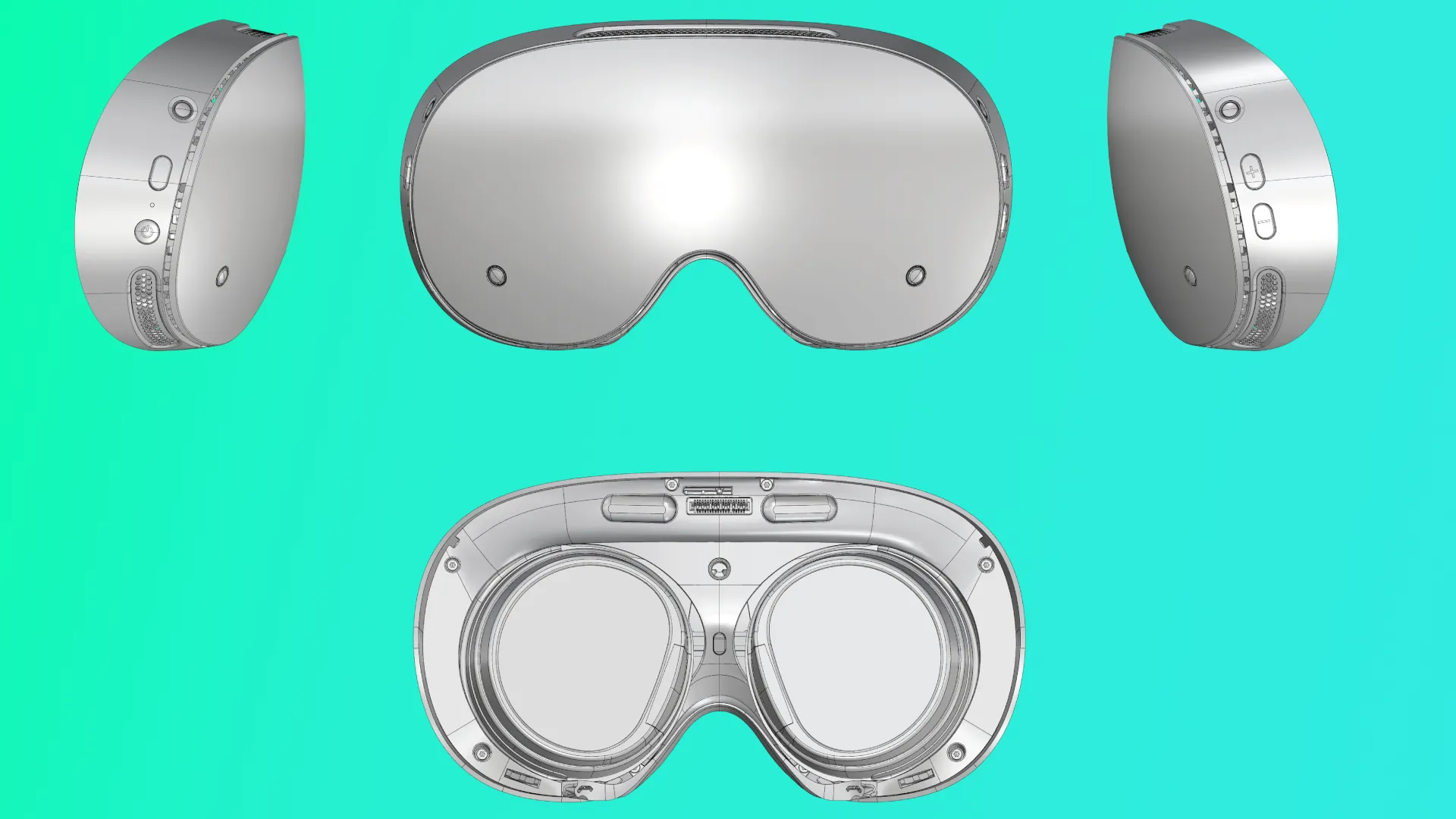
The release of full CAD files for the Steam Frame provides a blueprint for enthusiasts to design and manufacture custom hardware components. Unlike closed ecosystems, this open approach allows for the replacement or enhancement of several critical ergonomic and functional elements of the headset.
According to reports from PC Gamer, the documentation covers a wide range of replaceable parts. Users can now target specific areas for improvement or personalization, including:
- The light blocker: The component situated between the bridge of the nose and the headset.
- The head strap: Allowing for custom weight distribution or aesthetic changes.
- The facial interface: Enabling users to choose materials better suited to their skin sensitivity or comfort.
- Battery housing: Providing opportunities for extended play sessions through custom power solutions.
This level of access effectively shifts the Steam Frame from a static piece of consumer electronics to a modular platform. While some users may focus on purely aesthetic modifications, such as themed covers, the technical community is likely to focus on functional ergonomics and performance-enhancing add-ons.
What are the capabilities of the Steam Frame expansion port?
The Steam Frame features an auxiliary port located just in front of the user's nose, which serves as a gateway for powered hardware expansions. Valve's documentation provides the necessary technical details to interface with this port, which is designed to support more than just simple data transfer.
The port is technically significant because it includes a Gen4 PCIe lane, alongside dedicated power and camera functionality. This architecture allows for high-bandwidth peripherals that would typically be difficult to integrate into a standalone VR headset. The inclusion of a PCIe lane suggests that the port can support sophisticated processing hardware or high-speed sensors.
Real-world applications of the auxiliary port
The potential for the expansion port is already being demonstrated by early adopters. One notable example is the Arcturus Vision RGB camera, a third-party accessory that utilizes the port to provide enhanced visual capabilities to the headset. The ability to draw power directly from the headset while maintaining a high-speed data connection makes it a viable path for future innovations.
Beyond cameras, the technical specifications suggest several other avenues for development:
- Advanced Tracking: External sensors that utilize the PCIe lane for near-zero latency tracking.
- Enhanced Audio: Specialized processing units for spatial audio refinement.
- Biometric Sensors: Integrated health or fatigue monitoring tools that require constant power and data throughput.
What is Valve's official stance on upcoming Steam Frame upgrades?
Valve has confirmed that it is actively developing official hardware improvements for the Steam Frame, indicating that the current iteration is part of an evolving product cycle. This official development runs parallel to the community-driven modding enabled by the CAD files.
The company has specifically noted that an upgraded head strap is "coming soon." This upcoming official version is expected to feature two significant functional improvements: interchangeable battery systems and off-ear speakers. The off-ear speaker design is particularly noteworthy in the VR space, as it can improve spatial awareness and comfort by reducing direct pressure on the ear canal.
By releasing the CAD files simultaneously with the announcement of official upgrades, Valve is creating a dual-track ecosystem. The official upgrades provide a baseline of improved quality and reliability, while the open CAD files allow the community to push the boundaries of what the hardware can achieve in niche or highly specialized use cases.
How does this move fit into Valve's hardware philosophy?
The decision to release CAD files for the Steam Frame follows a consistent pattern in Valve's hardware development strategy. This move represents a commitment to an open hardware philosophy that contrasts sharply with many of its competitors in the VR and handheld gaming sectors.
Valve has now made a comprehensive library of CAD files available for its most recent hardware lineup. This collection includes technical documentation for:
- The Steam Deck: Valve's highly successful handheld gaming computer.
- The Steam Machine: An earlier venture into dedicated gaming hardware.
- The Steam Controller: A specialized input device for PC gaming.
- The Steam Frame: The latest addition to their VR ecosystem.
This transparency serves several strategic purposes. First, it builds immense goodwill within the enthusiast and developer communities, who are often the early adopters that drive a platform's success. Second, it reduces the burden on Valve to solve every possible ergonomic or niche requirement; if a specific user group needs a specialized head strap or a unique sensor, the community can build it themselves. Finally, it reinforces the identity of Valve's hardware as part of an interconnected, developer-friendly ecosystem rather than a locked-down consumer appliance.
Frequently asked questions
What exactly is included in the Steam Frame CAD files?
The CAD files include complete technical blueprints for the Steam Frame's core module, controllers, and various user-facing components. This includes the facial interface, the head strap, the battery housing, and the light blocker, providing a full map for hardware modders to work from.
What can be connected to the Steam Frame expansion port?
The expansion port, or auxiliary port, can support powered accessories that require high-speed data and electricity. Because it includes a Gen4 PCIe lane, it is capable of supporting advanced devices like the Arcturus Vision RGB camera or other high-bandwidth peripherals.
Is Valve releasing official accessories for the Steam Frame?
Yes, Valve has confirmed that they are working on an upgraded head strap that will be released soon. This official accessory will include off-ear speakers and a system for interchangeable batteries to improve the overall user experience and longevity.
Does the CAD release mean the Steam Frame is an open platform?
The release of these files strongly suggests an open hardware philosophy. By providing the technical means for third parties to design compatible parts and accessories, Valve is enabling a modular ecosystem similar to how they approach software through the Steam platform.
Why did Valve include a PCIe lane in the expansion port?
Including a Gen4 PCIe lane allows the expansion port to handle much more complex data than a standard USB or power-only port. This enables the connection of high-performance hardware, such as advanced cameras or specialized sensors, with minimal latency.
Key takeaways
- Valve released full CAD files for the Steam Frame, enabling deep hardware customization.
- The Steam Frame's expansion port supports Gen4 PCIe, power, and camera functionality.
- Valve is officially developing an upgraded head strap with off-ear speakers.
- The CAD release follows a pattern of transparency seen with the Steam Deck.
Conclusion
Valve's decision to release the Steam Frame's CAD files marks a significant shift in how VR hardware is approached. By providing the community with the tools to modify everything from facial interfaces to battery housings, Valve is fostering a level of innovation that is rarely seen in the highly competitive VR market. This open approach, combined with the high-bandwidth capabilities of the auxiliary port, positions the Steam Frame not just as a headset, but as a versatile platform for future technological experimentation. As both official upgrades and community mods emerge, the Steam Frame ecosystem is poised for rapid, decentralized evolution.