Why did Gigabyte remove the original blog post?
Last week, Gigabyte published a blog post that explicitly detailed the arrival of new Intel processors. The text stated that these chips were "built on socket LGA1700 and expected to launch in early 2027," promising that Gigabyte users could be ready for the fresh performance from day one. However, this specific information was short-lived. This week, Gigabyte scrubbed all mentions of these forthcoming chips, deleted the original blog post, and replaced it with a much more cautious version.
The replacement post, dated October 13, is significantly less explicit. While it still discusses LGA1700 support, it has removed the specific launch timeframe and the direct connection to upcoming Intel silicon. This sudden shift suggests a case of "press release ju-jitsu," where a manufacturer may have disclosed information prematurely and had to quickly correct the record. By removing the explicit 2027 date, Gigabyte has moved from making direct predictions about Intel's roadmap to discussing general compatibility improvements for its existing lineup.
What evidence remains in the BIOS release notes?
Despite the removal of the blog post, the technical evidence left behind in BIOS files suggests that the original information may have been accurate. The BIOS files themselves appear to "give the game away." For instance, the Z790 Aero G received a BIOS update on September 29, 2026, which included the specific note: "Preparation for upcoming processor support." This phrasing is a strong indicator that the hardware is being readied for something new.
Similar files have been released for B760 and H610 motherboards to ensure full compatibility once these new chips arrive. These technical updates predate the blog post removal and continue to appear on support pages, acting as a persistent trail of the company's actual technical preparations. While the marketing language has been sanitized, the engineering-focused release notes continue to point toward a future expansion of the LGA1700 platform.
Which motherboards received the updates?
The scope of the BIOS updates covers a wide range of the LGA1700 ecosystem. Initially, Gigabyte's activity focused on releasing files for B760 and H610 motherboards. However, the revised announcement on October 13 expanded this list to include Z790 chipsets as well. The company stated that the new BIOS updates deliver "more comprehensive LGA1700 processor support across its entire lineup of Intel Z790, B760 and H610 motherboards."
By including the Z790 family, Gigabyte has signaled that the upcoming support is not limited to budget or mid-range boards but extends to the high-end enthusiast segment. The company framed this as giving users "more choice and more possibility to grow," though the underlying driver for these updates appears to be the preparation for the new processors mentioned in the deleted post. The expansion across all three chipset families ensures that the entire established socket is ready for whatever Intel is planning.
How does the change affect statements about Intel plans?
The removal of the original post creates a discrepancy between Gigabyte's public marketing and its technical documentation. The original wording directly linked Gigabyte's hardware roadmap to specific Intel launch windows. The replacement text, however, shifts the focus toward broader, more generic compatibility on the established LGA1700 platform. This allows Gigabyte to justify the existence of the new BIOS files without making potentially incorrect or premature claims about Intel's schedule.
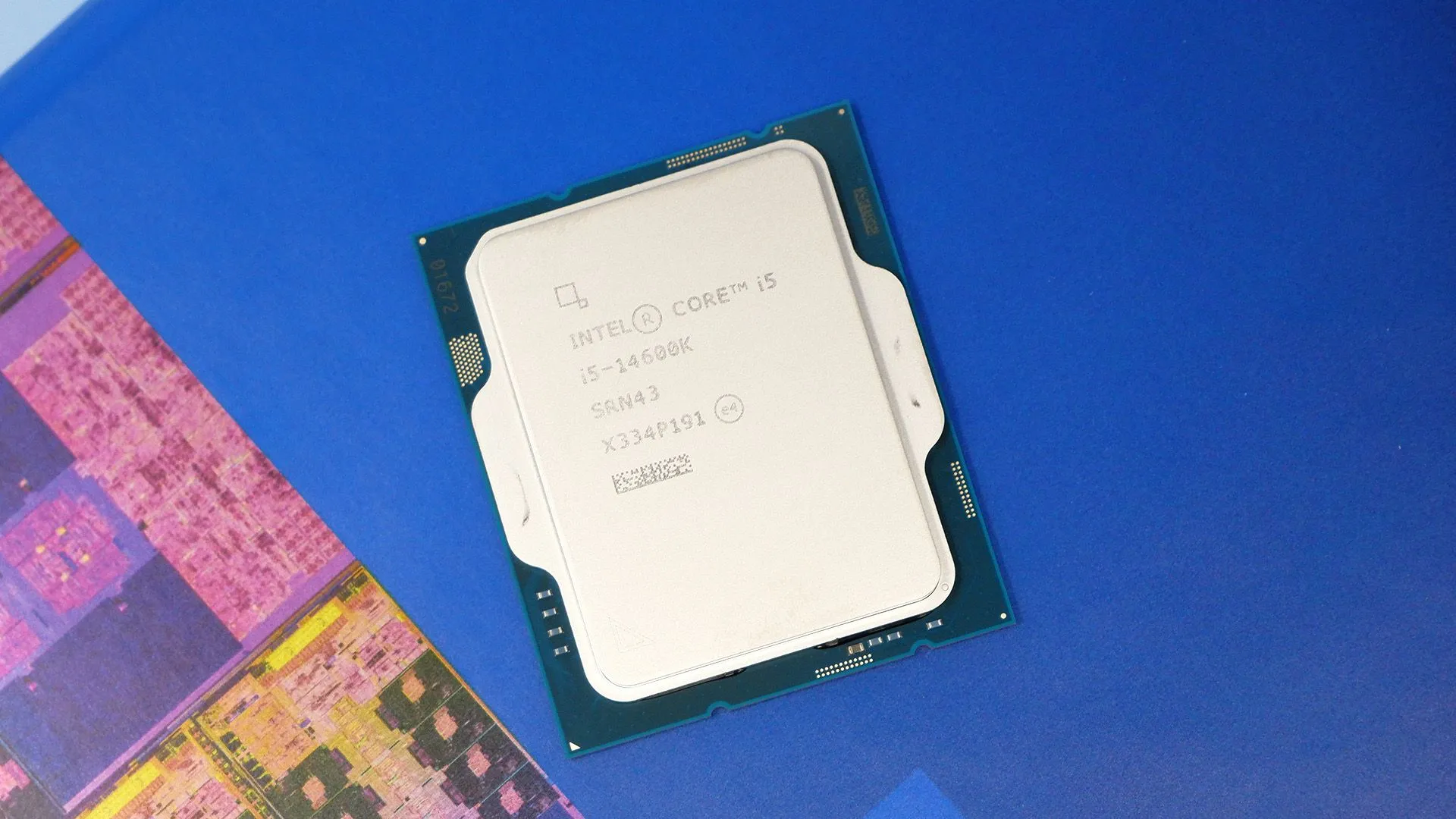
While Gigabyte has become more guarded, Intel's own stance provides some context. Intel has indicated that it plans to keep the LGA1700 platform around. This aligns with the BIOS activity seen at Gigabyte, even if other major vendors like MSI and Asus have not yet made explicit mentions of future processor support on their Z790 support pages. The lack of explicit statements from competitors does not necessarily negate the evidence found in Gigabyte's technical updates.
What are the likely characteristics of the expected chips?
Based on the available information, these forthcoming processors are likely to be a Raptor Lake refresh. Specifically, they may be designed to provide expanded DDR4 support during times when memory might be constrained. This would allow users to extend the life of their existing LGA1700 systems using more affordable or available DDR4 memory rather than transitioning to newer standards.
There is some precedent for Intel mixing architectures in this way. For example, the Core i5 13400 could be viewed as either an Alder Lake or a Raptor Lake product. If Intel applies the same logic to these upcoming chips as it did to the Arrow Lake refresh—such as the Intel Core Ultra 7 270K Plus—we might see similar results: the same underlying chips offered at much lower costs. While the exact specifications remain unsettled, the focus appears to be on providing a performance refresh for an established, widely-used socket.
What should LGA1700 motherboard owners do now?
For users currently on the LGA1700 platform, the most practical step is to monitor vendor support pages. Installing the latest BIOS files for Z790, B760, or H610 motherboards can help ensure that the system is prepared for any additional processors that may arrive in the new year or beyond. These updates do not require new hardware, but they do ensure that the motherboard is technically ready for the "upcoming processor support" mentioned in the release notes.
Frequently asked questions
Did Gigabyte confirm a 2027 launch date?
The original, now-deleted blog post contained the phrase "expected to launch in early 2027." The current, revised version of the post contains no such date reference.
Are the BIOS updates only for new chips?
The updates are designed to extend compatibility to a wider range of processors on the established LGA1700 platform, which includes both existing models and preparation for future additions.
Have other vendors released similar updates?
A review of MSI and Asus support pages shows no explicit mention of support for future processors on their Z790 motherboards at this time.
Will the new chips require new motherboards?
The processors are expected to use the existing LGA1700 socket, meaning current Z790, B760, and H610 motherboards should remain compatible following a BIOS update.
Is this a full new generation or a refresh?
The evidence suggests these are likely Raptor Lake refreshes, potentially offering new spins on 14th Gen chips or expanded DDR4 support.
Key takeaways
- Gigabyte removed an explicit reference to Intel LGA1700 processors planned for early 2027.
- BIOS updates for Z790, B760 and H610 boards still carry notes about upcoming processor support.
- The revised announcement emphasizes expanded compatibility without naming future products.
- Intel has previously stated it intends to maintain the LGA1700 platform.
- The expected chips are described as a Raptor Lake refresh focused on DDR4 systems.
- Owners of supported motherboards can apply current BIOS files to gain additional compatibility options.
Conclusion
The sequence of events at Gigabyte—first disclosing a launch window and then quickly withdrawing it—illustrates the tension between marketing and technical readiness. While the public-facing blog posts have been sanitized to avoid explicit claims about Intel's roadmap, the BIOS release notes remain a telling piece of evidence. The presence of "preparation for upcoming processor support" notes across Z790, B760, and H610 boards suggests that the technical groundwork for new LGA1700 chips is already being laid. For enthusiasts, the path forward is clear: keep motherboards updated and watch for the arrival of these refreshed chips that aim to bring new life to an established platform.