How does the Mac Minis cluster replicate the Cray-1 architecture?
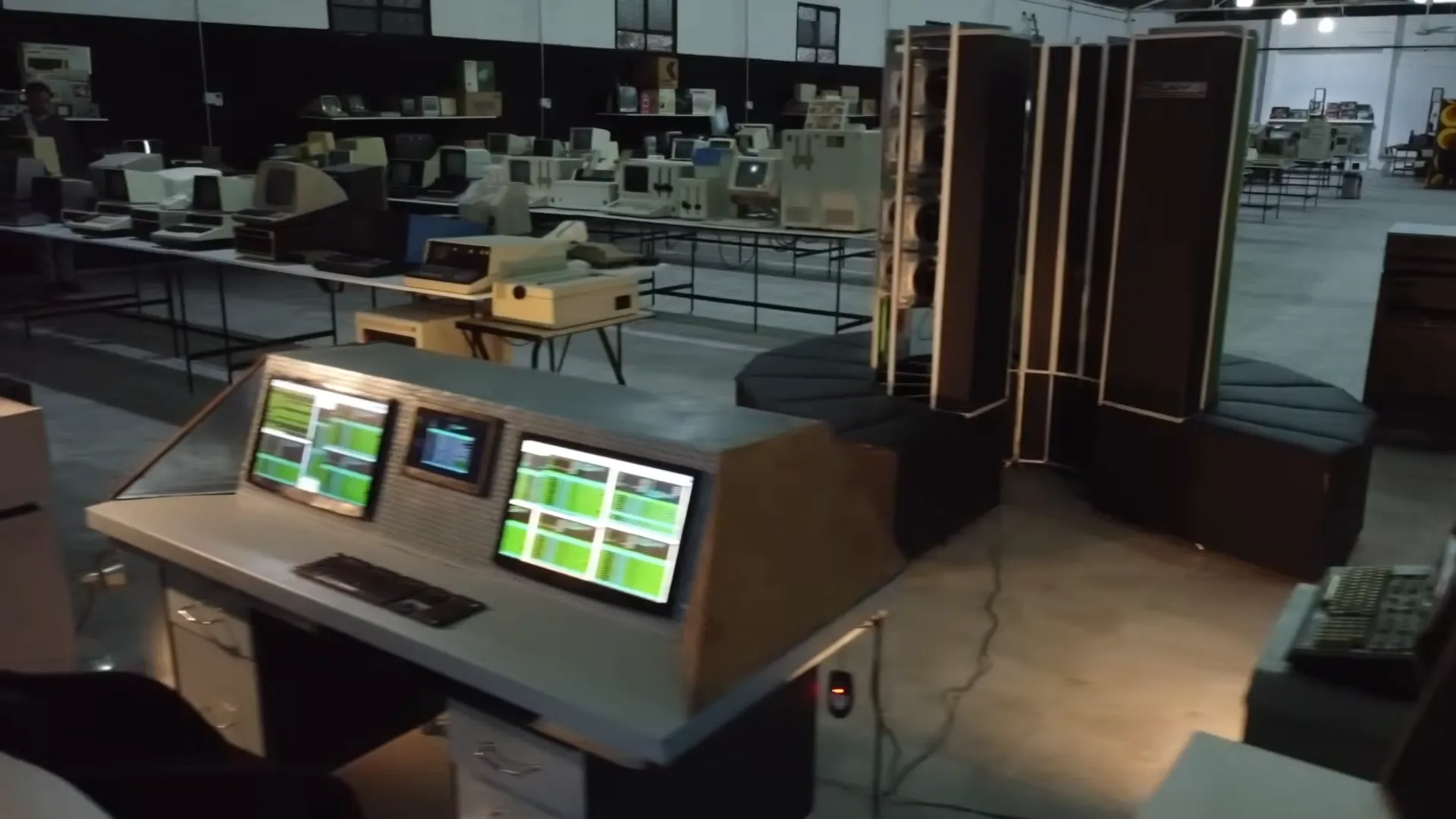
The replica uses 30 Mac Minis produced between 2012 and 2014 to recreate the visual and functional presence of the 1976 Cray-1. Five units contain quad-core i7 processors while the remaining 25 contain dual-core i5 processors, delivering a combined 70 cores. These machines run Mojave and employ MacOS Message Passing Interface to distribute tasks across the group. The physical arrangement forms a C-shaped tower that echoes the original cabinet design. During testing the cluster reached 1.5 teraflops, a figure measured when all cores operated simultaneously.
What performance difference exists between the replica and the original Cray-1?
The original Cray-1 featured a single 64-bit processor running at 80 MHz together with 8.39 MB of memory and a theoretical peak of 160 megaflops. The Mac Minis installation surpasses this level by a wide margin through parallel processing. The 1.5 teraflops result represents roughly ten thousand times the original peak. This outcome stems directly from the aggregate power of modern multi-core CPUs rather than any single high-clock processor. The comparison highlights how consumer hardware from a later decade can exceed specialised systems built fifty years earlier.
Memory and processor specifications compared
The source records the Cray-1 memory capacity at 8.39 MB. No equivalent total memory figure appears for the Mac Minis cluster, yet the increase in core count and clock speeds accounts for the performance gain. The replica therefore demonstrates generational advances in semiconductor density and parallel software frameworks.
How is heat managed inside the Mac Minis tower?
The 30 units sit inside a natural convection ventilation structure that contains no mechanical fans. Warm air rises through the tower and exits at the top, maintaining component temperatures without added noise. The primary audible elements are two gigabit Ethernet switches rated at approximately 30 decibels. Museum staff have identified plans to replace these switches with silent models to further lower ambient sound. This passive approach suits a permanent indoor display where visitor comfort matters.
What components form the vintage-style control terminal?
Operation occurs through a terminal that mixes old and new elements. Two authentic 2006 Cray CX1 units run CentOS. A Raspberry Pi handles classic environment emulators and manages an additional Raspberry Pi cluster. Samsung displays provide modern connectivity in place of cathode-ray tubes. One Mac Mini inside the terminal coordinates distributed tasks across the main cluster. The combination allows visitors to interact with emulated historical interfaces while the underlying hardware remains current.
What expansion plans exist for the exhibit?
The museum intends to add roughly 80 M4 Mac Minis through crowdfunding. The goal is to construct a system capable of entering the Top500 list of the world's fastest supercomputers. Current hardware already demonstrates the principle of clustering consumer machines; the larger installation would test whether the same approach can reach contemporary high-performance computing thresholds. The project remains on permanent display while fundraising continues.
Frequently asked questions
How many Mac Minis are used in the current replica?
Thirty Mac Minis form the working cluster. Five contain quad-core i7 processors and twenty-five contain dual-core i5 processors, producing seventy cores in total.
What operating system runs on the Mac Minis?
The machines operate Mojave and use the built-in Message Passing Interface to coordinate tasks across the cluster.
Does the replica produce more power than the original Cray-1?
Yes. Testing recorded 1.5 teraflops, far above the original machine's 160 megaflops theoretical peak.
How is the tower cooled without fans?
A natural convection system allows heat to rise and exit through the top of the structure, eliminating mechanical fan noise inside the museum.
Will the exhibit add newer hardware?
The museum seeks funding for approximately eighty additional M4 Mac Minis to pursue a Top500 ranking.
Key takeaways
The Mac Minis Cray-1 replica employs 30 units from 2012-2014 to reach 1.5 teraflops.
Seventy cores from mixed i7 and i5 processors exceed the original Cray-1 peak performance.
Passive convection cooling maintains temperatures without mechanical fans.
A mixed terminal combines Raspberry Pi emulators with two 2006 Cray CX1 units.
Future plans target a Top500-capable system through addition of 80 M4 Mac Minis.
Conclusion
The installation at the Museo de Historia de la Computación shows how readily available hardware can recreate and surpass historic computing milestones. By clustering older Mac Minis the museum achieves both an educational display and a measurable performance increase over the 1976 original. The passive cooling design and hybrid control terminal further illustrate practical considerations for public exhibits. Expansion through newer units could place a similar cluster among the world's recognised supercomputers, extending the project's reach beyond historical recreation.