What are the technical specifications of the Intel GPU D-Series?
The Intel GPU D-Series is built upon the company's latest Xe3P architecture, prioritizing a balance between memory capacity and computational throughput. According to Intel, the hardware features up to 480 GB of LPDDR5X memory, which is a significant departure from previous enterprise silicon architectures. This massive memory pool is paired with 1.5 TB/s of memory bandwidth to ensure data can move efficiently enough to support high-speed processing.
In terms of raw processing power, the D-Series delivers 1.3 petaflops of FP8 compute. This performance is contained within a 350-watt power envelope, a design choice intended to optimize the balance of performance and power efficiency. Intel states that this specific configuration is intended to optimize infrastructure for real-world inference workloads, making it a specialized tool for data center environments rather than a general-purpose processor.
Memory Architecture: LPDDR5X vs HBM
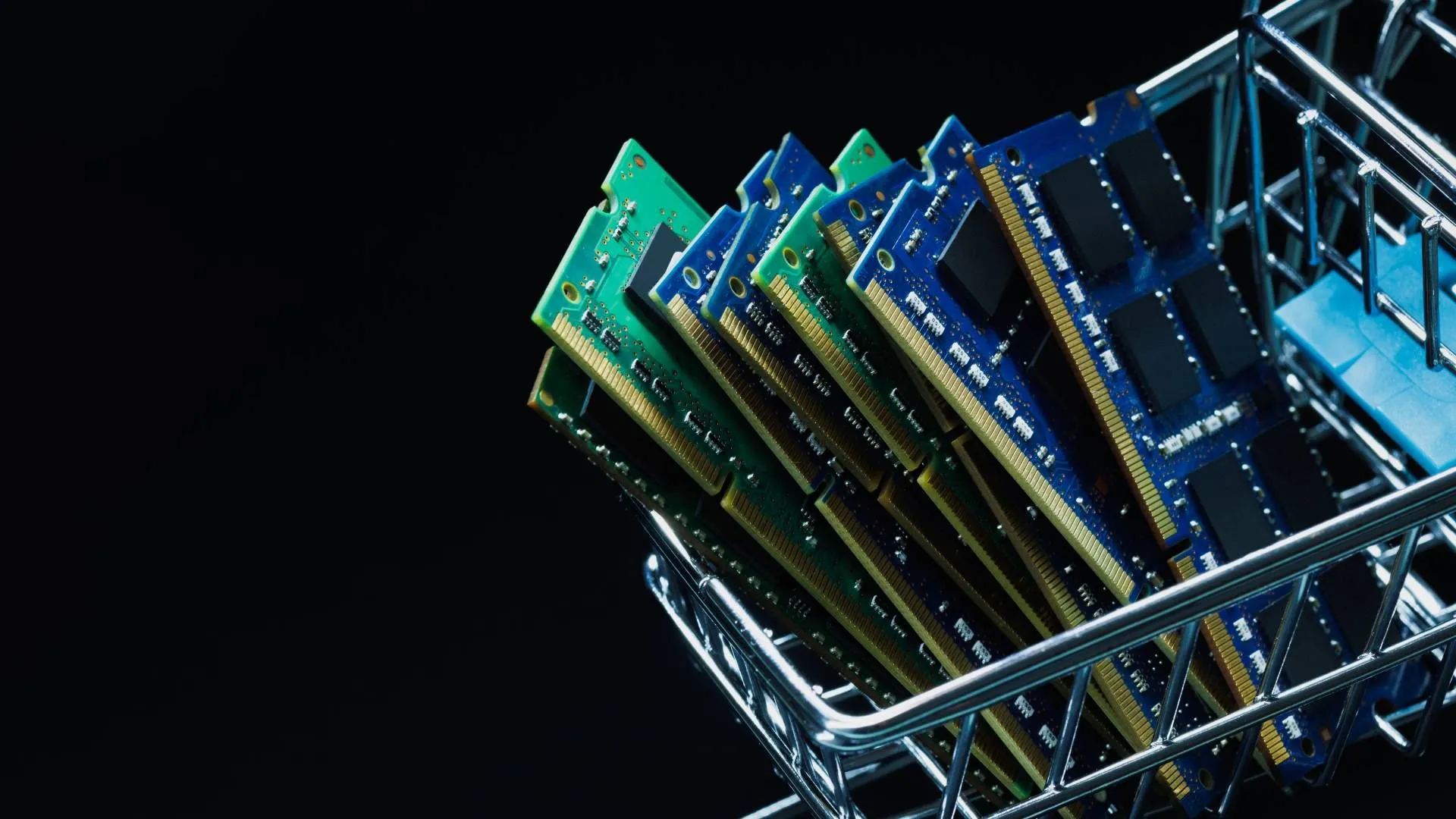
A notable aspect of the D-Series is its use of LPDDR5X memory rather than High Bandwidth Memory (HBM). For comparison, Intel's previous Gaudi 3 chip utilized 128 GB of unified HBM. While HBM typically offers higher speeds, the shift to LPDDR5X represents a move toward a different kind of efficiency. LPDDR5X is generally slower than HBM but offers a different cost-to-capacity profile, allowing Intel to reach the 480 GB threshold that would be significantly more expensive or difficult to achieve with HBM technology.
Why is Intel shifting focus toward AI inference?
Intel is pivoting its AI strategy to focus heavily on inference rather than the training of large language models. This shift follows previous challenges in the AI sector; the company's Gaudi line struggled to compete significantly with Nvidia's market dominance, and the subsequent 'Falcon Shores' GPU project was reportedly cancelled. By targeting inference, Intel is looking for a more accessible entry point into the enterprise AI market.
Anil Nanduri, Intel's VP of AI Products and GTM, explains that inference is becoming the defining AI workload for the industry. He notes that enterprises require infrastructure that delivers the appropriate level of performance at an economical cost. The D-Series is designed to make high-capacity inference practical to deploy and scalable for businesses that need to run models rather than just build them. This focus on 'practical deployment' suggests Intel is attempting to capture the massive market of companies that need to integrate AI into existing workflows.
How will the D-Series impact data center deployment?
The Intel GPU D-Series is engineered to simplify the integration of AI capabilities into existing data center environments. One of the primary goals of the architecture is to support application portability across different Intel GPU platforms. This means that software developers can more easily move their AI applications between various Intel-based systems without requiring massive rewrites of their codebases.
Intel identifies several target applications for this hardware, which include:
- Multi-tenant AI services, where multiple users or applications share the same hardware resources.
- Robotics, which requires high-speed processing for autonomous decision-making.
- Latency-sensitive workloads, where the speed of the response is critical to the application's success.
By providing a high-capacity memory buffer, the D-Series allows these latency-sensitive applications to hold larger models in memory, reducing the need to constantly fetch data from slower storage, thereby improving response times.
What are the implications for the consumer memory market?
The emergence of high-capacity, LPDDR5X-based enterprise GPUs raises concerns regarding the availability of memory for consumer-grade hardware. As AI companies secure massive quantities of DRAM to power their data centers, the supply available for gaming GPUs and consumer electronics may face continued pressure. The D-Series uses memory types that are closer to what is found in consumer devices, signaling a potential divergence in production priorities.
There is a growing tension between the needs of the AI industry and the gaming community. While enthusiasts look forward to hardware like the upcoming RTX 5080, there is a risk that even consumer-focused high-end cards will be increasingly tailored for AI-related tasks. If a significant portion of production lines is diverted to meet the massive memory requirements of AI inference, the cost and availability of high-performance consumer RAM could remain volatile for the foreseeable future.
Key takeaways
- The Intel GPU D-Series features up to 480 GB of LPDDR5X memory for AI workloads.
- The architecture provides 1.5 TB/s of memory bandwidth and 1.3 petaflops of FP8 compute.
- Intel is prioritizing AI inference over model training to better serve enterprise needs.
- The 350-watt power envelope aims to balance performance with energy efficiency.
- The shift to LPDDR5X memory highlights a move toward high-capacity, cost-effective inference.
FAQ: Intel GPU D-Series
What is the main purpose of the Intel D-Series GPU?
The primary purpose of the Intel D-Series is to facilitate high-capacity AI inference workloads. Unlike chips designed for training massive models, this GPU is optimized to run existing AI models efficiently within data centers, supporting tasks like robotics and multi-tenant AI services.
How much memory does the Intel D-Series have?
The Intel D-Series can be equipped with up to 480 GB of LPDDR5X memory. This is a massive increase in capacity compared to many previous enterprise chips, specifically designed to handle large-scale AI models that require significant memory footprints.
How does the D-Series compare to the Gaudi 3?
The D-Series offers significantly more memory capacity than the Gaudi 3, which featured 128 GB of HBM. However, the D-Series uses LPDDR5X memory, which is generally slower than the HBM used in the Gaudi 3, prioritizing total capacity and cost-efficiency over raw bandwidth.
What architecture is used in the new Intel GPU?
The Intel D-Series is built on the company's latest Xe3P architecture. This architecture is designed to provide a balance of compute performance, memory bandwidth, and power efficiency, specifically tailored for the demands of modern AI inference applications.
Will this GPU affect gaming performance or availability?
While the D-Series is an enterprise product, the massive demand for DRAM in AI hardware can impact the overall supply of memory. This could potentially lead to higher prices or limited availability for consumer-grade gaming components and high-performance RAM.
Conclusion
Intel's introduction of the D-Series GPU marks a strategic pivot toward the rapidly expanding AI inference market. By leveraging the Xe3P architecture and a massive 480 GB of LPDDR5X memory, Intel is positioning itself to provide scalable, economical solutions for enterprise-level AI deployment. While the shift from HBM to LPDDR5X reflects a calculated trade-off in speed for capacity, the sheer scale of the memory remains impressive. As the industry continues to prioritize AI infrastructure, the competition between enterprise needs and consumer hardware availability will likely remain a central theme in the semiconductor landscape.