Rising costs for AMD memory components
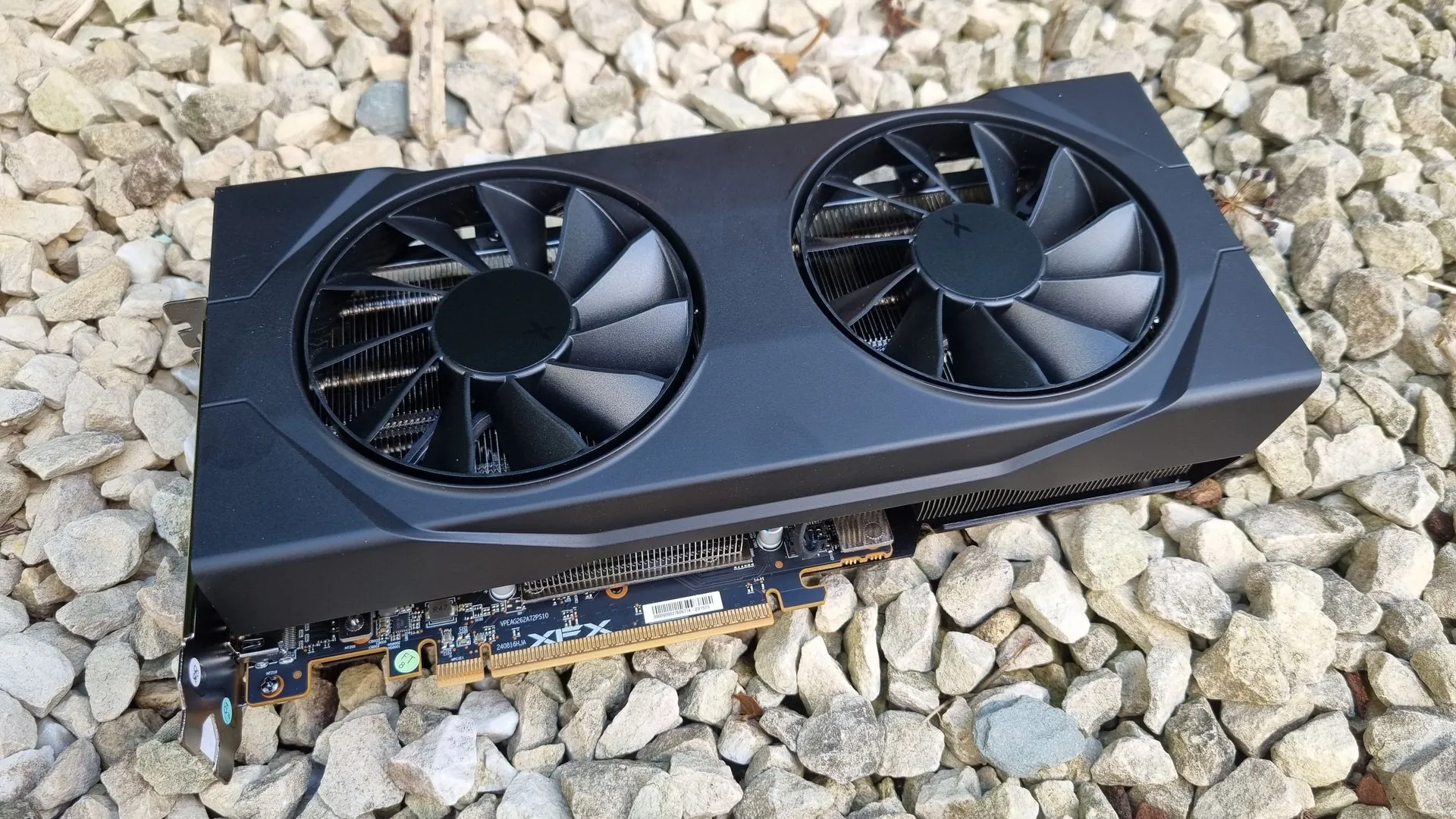
AMD has reportedly implemented a price hike for the GDDR6 memory used in its graphics cards. According to sources on the Chinese forum Boardchannels, as reported by Benchlife, this price increase officially took effect on October 1, 2026. This move directly impacts the Add-in Board (AIB) partners who manufacture the final retail versions of AMD-based graphics cards.
When manufacturers face higher procurement costs for essential components like VRAM, the financial burden rarely stays with the producer. In the hardware industry, these increased production costs are typically passed down the supply chain. For the consumer, this means that the retail price of upcoming or currently available AMD graphics cards is likely to rise. This development follows a broader trend of increasing costs within the semiconductor and memory sectors, making it increasingly difficult for budget-conscious gamers to find affordable hardware upgrades.
The broader context of GPU price volatility
The recent AMD announcement is not an isolated incident in a market already struggling with price instability. Nvidia has previously engaged in similar pricing adjustments for its own hardware. According to reports, Nvidia made a move regarding the pricing of its GDDR6 and GDDR7 cards in July 2026, with rumors suggesting that some Nvidia graphics card prices could increase by as much as 30%.
This volatility is driven by several intersecting factors. While the demand for high-performance gaming hardware remains strong, the cost of the underlying materials is climbing. For instance, earlier in the year, analysts advised gamers to be cautious with certain Nvidia models, specifically suggesting that users avoid cards with more than 8 GB of VRAM if they wanted to protect their spending. This highlights a growing divide between the cost of high-capacity memory and the retail price points that consumers are willing or able to pay.
Supply constraints and the AI influence
Limited supply continues to be a primary driver of high GPU prices, particularly for flagship models. The RTX 5090 has become a notable example of this scarcity, with reports indicating that these cards have been exceptionally difficult to locate at US retailers online. This scarcity is compounded by shifting manufacturing priorities within the industry.
There are ongoing rumors that Nvidia has prioritized the production of AI data center GPUs over the GeForce RTX 5090 series. As the artificial intelligence industry continues its rapid expansion, the competition for high-end silicon and specialized memory has intensified. This competition for resources often leaves the consumer gaming market with fewer available units and higher price tags. The demand from data centers for massive amounts of memory can effectively cannibalize the supply intended for traditional gaming hardware, creating a bottleneck that affects everyone from enthusiasts to casual players.
Geopolitical factors and component shortages
Beyond the direct competition between gaming and AI, external geopolitical tensions are contributing to the rising cost of graphics card production. The manufacturing of a GPU requires more than just the silicon chip and memory; it involves a complex web of secondary components that are also subject to market fluctuations.
For example, the price of Printed Circuit Boards (PCBs) has been rising due to the ongoing war in Iran. When the cost of fundamental building blocks like PCBs increases, the total Bill of Materials (BOM) for every graphics card rises accordingly. This combination of memory supply crises, the AI-driven demand for silicon, and geopolitical instability in component manufacturing regions creates a perfect storm for hardware enthusiasts. For those looking for a reasonably priced upgrade, the current landscape presents significant economic challenges.
Frequently Asked Questions
Why are graphics card prices increasing?
Graphics card prices are rising due to a combination of increased costs for GDDR6 memory, competition for silicon from the AI industry, and rising component costs like PCBs caused by geopolitical tensions. These factors force manufacturers and AIB partners to raise retail prices to maintain margins.
How does the AMD GDDR6 price hike affect gamers?
The AMD GDDR6 price hike means that Add-in Board partners will likely face higher production costs. To compensate, these partners are expected to pass those costs on to consumers, resulting in higher retail prices for AMD-based graphics cards in the near future.
Is Nvidia also raising GPU prices?
Yes, Nvidia has previously adjusted pricing for its GDDR6 and GDDR7 cards. In July 2026, reports suggested that Nvidia graphics card prices could see increases as high as 30%, reflecting the wider industry trend of rising component and memory costs.
Does AI demand affect gaming GPU availability?
Yes, the massive growth of the AI industry creates significant competition for high-end hardware. There are reports that manufacturers may prioritize the production of GPUs for AI data centers over consumer gaming cards, such as the RTX 5090, leading to limited supply for gamers.
Conclusion
The reported AMD GDDR6 price increase serves as a stark reminder of the ongoing volatility within the PC hardware market. Driven by a convergence of memory supply shortages, intense competition from the AI sector, and geopolitical instability affecting component manufacturing, the era of affordable high-end GPU upgrades appears to be facing significant headwinds. As AIB partners pass increased costs to the consumer, gamers must navigate a landscape defined by rising prices and limited availability. For those seeking new hardware, monitoring market trends and understanding these underlying economic drivers will be essential for making informed purchasing decisions in a challenging environment.