
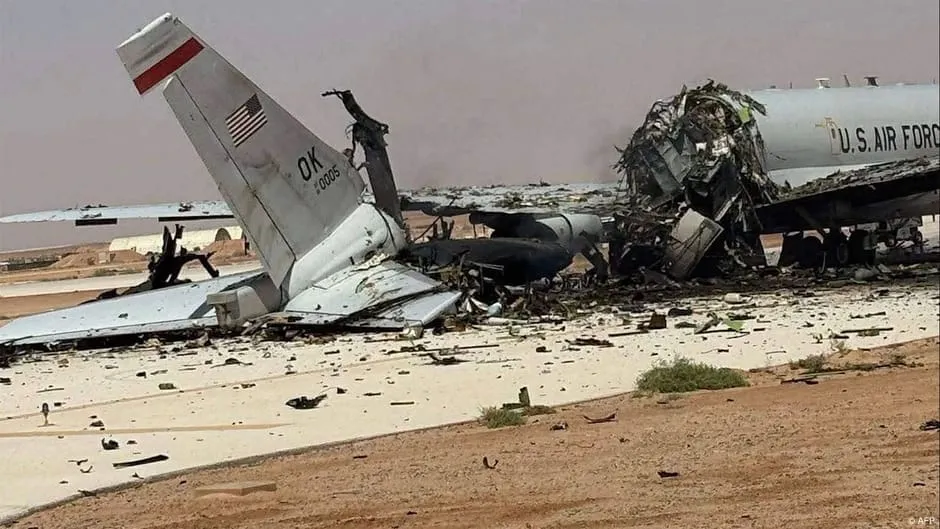
Pentagon: US war in Iran costs surpass $48 billion in 2026
The US war in Iran costs have surpassed $48.3 billion (€44 billion) as of November 13, 2026, according to Pentagon budgetary official Arthur Miller. This figure accounts for US military operations, equipment, and munitions but excludes the significant costs of damage sustained at US military installations throughout the Middle East. As the conflict continues, the financial burden expands due to infrastructure destruction and the economic fallout from the closure of the Strait of Hormuz. These rising expenditures reflect the intense scale of ongoing aerial and ground engagements.
November 21, 2026
4 min read
Source: ASHENVOW
Pentagon official confirms $48.3 billion expenditure
The total expenditure for US military operations in Iran crossed the $48.3 billion threshold on November 13, 2026. Arthur Miller, a Pentagon budgetary official, disclosed these figures during his testimony before the US Senate Armed Services Committee on Thursday. Miller's appearance served as part of the consideration for his nomination to the position of Navy comptroller.
The reported $48.3 billion covers the direct costs of maintaining military operations, procuring equipment, and deploying munitions. However, Miller clarified that this specific budgetary figure does not encompass the financial impact of damage inflicted upon US military infrastructure by Iranian forces. This distinction creates a gap between official operational spending and the total economic cost of the conflict.
The scope of Miller's testimony
During the hearing, Miller's testimony focused on the immediate budgetary requirements of the ongoing military engagement. While the $48.3 billion represents a massive allocation of resources, it remains a partial accounting of the war's total financial footprint. The omission of facility damage means the actual cost to the US taxpayer and the Department of Defense is likely significantly higher than the figure presented to the Senate Armed Services Committee.
Unaccounted damage to Middle East military infrastructure
Damage to US military installations across the Middle East remains a major unquantified expense in the conflict. While Arthur Miller declined to provide a specific estimate for this damage during his Senate testimony, various reports suggest the scale is substantial. According to the news agency AP, Iranian missiles and drones have targeted hundreds of aircraft hangars, barracks, radar systems, and warehouses, resulting in billions of dollars in damage.
Estimates regarding the cost of repairing these facilities vary among intelligence and policy analysts. The following table summarizes the available estimates regarding the financial impact on US infrastructure:
Damage to US facilities in the region
Repair costs for buildings only (excluding equipment)
Not provided
Refused to estimate total damage during hearing
Committee Chairman Roger Wicker, a Republican from Mississippi, has formally called on Miller to provide these missing figures as soon as possible to ensure congressional oversight of the conflict's true cost.
Infrastructure vs. Equipment losses
A critical nuance in the damage assessment is the distinction between structural repairs and system replacement. The Center for Strategic and International Studies has noted that the $4 billion estimate for building repairs does not include the high-value equipment, radar systems, or specialized munitions housed within those buildings. If the destruction of advanced technological systems is factored in alongside structural damage, the total cost could exceed the $15 billion upper limit suggested by Pentagon sources cited by the Wall Street Journal.
Economic consequences and the Strait of Hormuz closure
The conflict has extended beyond direct military spending to impact the global economy through the closure of the Strait of Hormuz. This maritime bottleneck has been closed as a direct consequence of US attacks on the Islamic Republic. The ongoing closure continues to pummel global markets, adding indirect costs to the international community that are not captured in the Pentagon's $48.3 billion operational figure.
The Trump administration has maintained various stances regarding the nature and progress of the conflict. Officials have variously argued that the engagement does not constitute a war, that the military objectives have already been achieved, or that the conflict will conclude shortly. However, current operational realities suggest there is no immediate end in sight, and the economic instability caused by the maritime blockade remains a persistent factor.
Legislative hurdles for the 2027 defense budget
The Pentagon is currently seeking congressional approval for a $1.5 trillion defense budget for 2027, representing a 40% increase over the 2026 budget. This massive funding request is intended to sustain American military capabilities amidst the ongoing conflict in Iran. However, the political landscape in Washington has shifted significantly since the start of the war on February 28.
The prospects for approving this budget are complicated by recent electoral outcomes. Following the November 3 midterm elections, Democrats have taken control of both houses of Congress. This shift in power from the Republicans makes the approval of a 40% budget increase highly uncertain, as the new congressional leadership faces different priorities and oversight requirements regarding the costs of the Iran engagement.
The impact of the midterm elections
The transition of power to Democratic control of the House and Senate introduces a period of legislative friction. While the Trump administration continues to push for increased military funding to support its strategic objectives, the new majority in Congress is likely to demand greater transparency regarding the $48.3 billion already spent and the unquantified billions lost to infrastructure damage. The ability to pass the $1.5 trillion 2027 budget will likely depend on how the administration justifies the continued escalation of costs and the ongoing economic disruption in the Gulf region.
| Source | Estimated Cost/Scope | Details |
|---|---|---|
| Wall Street Journal (Pentagon sources) | $5 billion – $15 billion | |
| Center for Strategic and International Studies | Over $4 billion | |
| Arthur Miller (Pentagon) |



