
Deportation of Afghans: Lawmakers Urge Halt to Removals
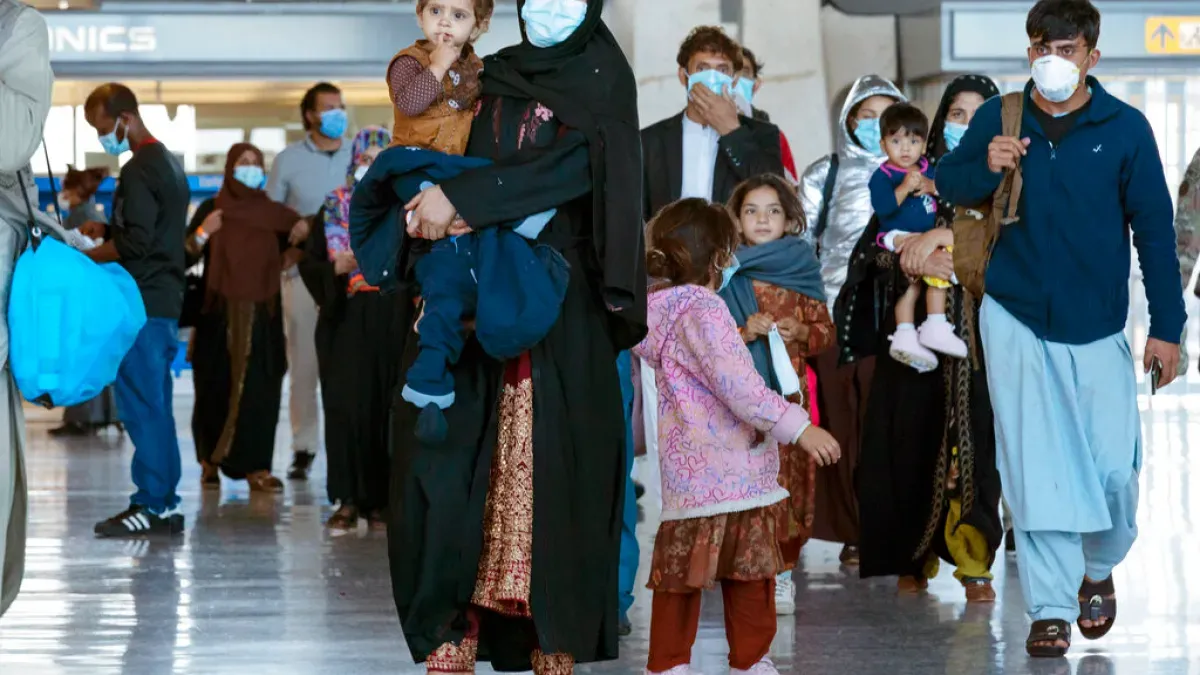
The deportation of Afghans from the United States has become a central point of legal and political contention as 66 US lawmakers demand an immediate halt to planned removals. At least 150 Afghans are reportedly scheduled for deportation from detention facilities in Louisiana to Pakistan, according to advocacy reports. These individuals, many of whom assisted US coalition forces, face potential transit to Afghanistan, where they may face lethal retaliation. This article examines the legislative response, the controversial use of third-country deportations, and the legal limbo facing Afghan refugees in the US.
November 8, 2026
5 min read
Source: ASHENVOW
Why are US lawmakers calling for an end to the deportation of Afghans?
A bipartisan group of 66 United States lawmakers has formally requested that the Trump administration cease the mass deportation of Afghan nationals currently held in US custody. The primary concern cited by legislators is the extreme physical danger these individuals face if returned to the region. Many of those targeted for removal worked alongside US military and coalition forces during the conflict in Afghanistan, a role that makes them high-priority targets for the Taliban.
In a letter addressed to Secretary of State Marco Rubio and Secretary of Homeland Security Markwayne Mullin, the lawmakers argued that returning these individuals to a country governed by the Taliban constitutes a "death sentence." They emphasized that the US government previously made commitments to protect those who sacrificed their safety to support American service members. The urgency of this plea follows reports that at least 150 Afghans were scheduled to be flown from detention centers in Louisiana to Pakistan starting Tuesday.
The risk of targeting former allies
The lawmakers highlighted that individuals who served in the Afghan government or assisted US forces are likely to be targeted for their perceived support of the United States. Because the US does not maintain diplomatic relations with the Taliban-led government, there are no formal mechanisms to ensure the safety of these deportees upon their return to Afghanistan.
How does the policy of third-country deportation function?
The Trump administration has implemented a strategy of sending individuals to third countries when they cannot be returned to their original homes due to the risk of torture or persecution. This practice involves making bilateral agreements with other nations to accept third-country nationals. According to tallies by the nonprofits Refugees International and Human Rights First, the administration has forcibly sent at least 25,000 people to such third countries as part of a broader immigration crackdown.
Critics argue that this practice undermines established global humanitarian norms regarding the protection of refugees and asylum seekers. There are significant concerns that these third countries may have poor human rights records or may be considered too dangerous for US citizens to visit. In the current context, rights advocates have confirmed that flights are being organized to move Afghans from Alexandria, Louisiana, to Pakistan, a country that has already deported millions of Afghans back to Afghanistan as relations with the Taliban have soured.
What is the legal status of Afghans currently in the US?
Many Afghan nationals residing in the United States are currently trapped in a state of legal uncertainty, often referred to as "limbo." Following the chaotic US withdrawal from Afghanistan in 2021, more than 120,000 Afghans were evacuated. While many initially entered the US under humanitarian parole, the transition to permanent legal status has been hindered by a severely backlogged immigration system.
During the previous administration, many were granted Temporary Protected Status (TPS), which allowed them to live and work legally while their asylum claims were processed. However, the current administration has moved to end many of these resettlement programs. Advocates, including Shawn VanDiver of the AfghanEvac group, note that many individuals have been waiting for years for green cards or permanent status, only to face sudden removal proceedings.
Barriers to legal defense
A critical issue in these removal proceedings is the lack of legal representation. Shawn VanDiver stated that many Afghans facing deportation did not have the opportunity to fight their cases in court because they lacked attorneys. This lack of counsel has led to rapid removal processes that bypass the nuanced complexities of their individual asylum claims.
What specific policies have impacted Afghan immigration?
Several recent administrative actions have significantly restricted the ability of Afghans to seek safety in the United States. These include a blanket visa ban on Afghan nationals and a halt on processing certain applications following an incident in November 2025 involving an Afghan national in Washington, DC. These policies have been challenged in court by various advocacy groups.
The administration has also instituted record-low quotas for asylum applications globally. While some exceptions have been made—such as for white Afrikaners from South Africa—the general trend for Afghan nationals has been one of increased restriction. In response, lawmakers are pushing for new legislation to provide a permanent legal pathway for those who assisted the US, including a bipartisan bill designed to restore Temporary Protected Status for those affected by recent policy shifts.
Frequently asked questions
Why are Afghans being sent to Pakistan instead of Afghanistan?
The administration is using Pakistan as a third country to facilitate removals. Because the US cannot directly deport individuals to Taliban-controlled Afghanistan due to the lack of diplomatic relations and the risk of persecution, they use third-country agreements to move detainees to intermediate locations like Pakistan.
What is the role of the AfghanEvac group?
AfghanEvac is an advocacy group led by Shawn VanDiver that works to protect the rights of Afghans who assisted US forces. The group provides information on the legal status of refugees, advocates for legislative protections in the US Congress, and highlights the dangers faced by those in removal proceedings.
What happened during the 2021 US withdrawal?
The withdrawal of US troops from Afghanistan in August 2021 resulted in a chaotic evacuation of more than 120,000 Afghans. Many of these individuals were relocated to facilities in countries like Qatar before being granted humanitarian parole to enter the United States.
Can Afghans in the US still apply for asylum?
While the legal right to apply for asylum exists, the process is currently facing extreme challenges. The combination of record-low global quotas, a severely backlogged immigration system, and specific administrative halts on certain Afghan applications has made it difficult for many to secure permanent status.
Is there any bipartisan support for Afghan refugees?
Yes, there is bipartisan support in the US Congress for legislation aimed at protecting Afghans. Some Republican and Democratic lawmakers have co-sponsored bills intended to grant Temporary Protected Status to those who have had their protections withdrawn by the current administration.
Key takeaways
- 66 US lawmakers are demanding an end to the deportation of Afghans to prevent potential deaths.
- At least 150 Afghans are reportedly facing removal from Louisiana to Pakistan.
- The Trump administration has sent over 25,000 people to third countries under current policies.
- Many Afghans face removal without legal counsel due to a lack of representation in court.
- A bipartisan bill is being pursued to restore Temporary Protected Status for Afghan allies.
The humanitarian implications of shifting immigration policies
The tension between US border enforcement and humanitarian obligations is reaching a critical juncture. The decision to utilize third-country deportations for Afghan nationals represents a significant departure from previous resettlement efforts. As the administration prioritizes strict immigration control and reduced asylum quotas, the legal and physical safety of those who once served the US remains precarious. The outcome of pending court challenges and potential bipartisan legislation will likely determine whether these individuals find permanent stability or face the life-threatening risks of return to a volatile region.



