
US elections: 2026 midterms set for record-breaking spending
The 2026 midterm elections are projected to become the most expensive in United States history. Recent data indicates that political advertising alone is on track to reach a record $11.6bn. This surge follows growing influence from super PACs and billionaire donors.
October 27, 2026
2 min read
Source: ASHENVOW
Record advertising costs and donor influence
The financial scale of the 2026 midterm elections has reached unprecedented levels. According to Al Jazeera, political advertisement spending is expected to hit $11.6bn, setting a new historical benchmark for the United States. This massive influx of capital is driven by several key actors within the American political landscape.
Independent expenditure-only political action committees, commonly known as super PACs, play a central role in this financial environment. Alongside dark money and significant contributions from billionaire donors, these entities are increasingly shaping the selection of candidates and the ultimate outcomes of electoral contests. This trend has raised concerns regarding the level of influence held by private wealth over the democratic process.
Public perception of political finance
The impact of high-level spending is reflected in the views of the American electorate. Voters across both major political parties have expressed concerns that money wields excessive power in the current system. This sentiment highlights a growing disconnect between the influence of large-scale donors and the priorities of the general voting population.
The debate centers on who is funding these campaigns and what specific interests they seek to protect through their contributions. Experts are currently examining whether the existing structure of US election financing can undergo meaningful reform to address these imbalances.
Expert analysis on campaign funding
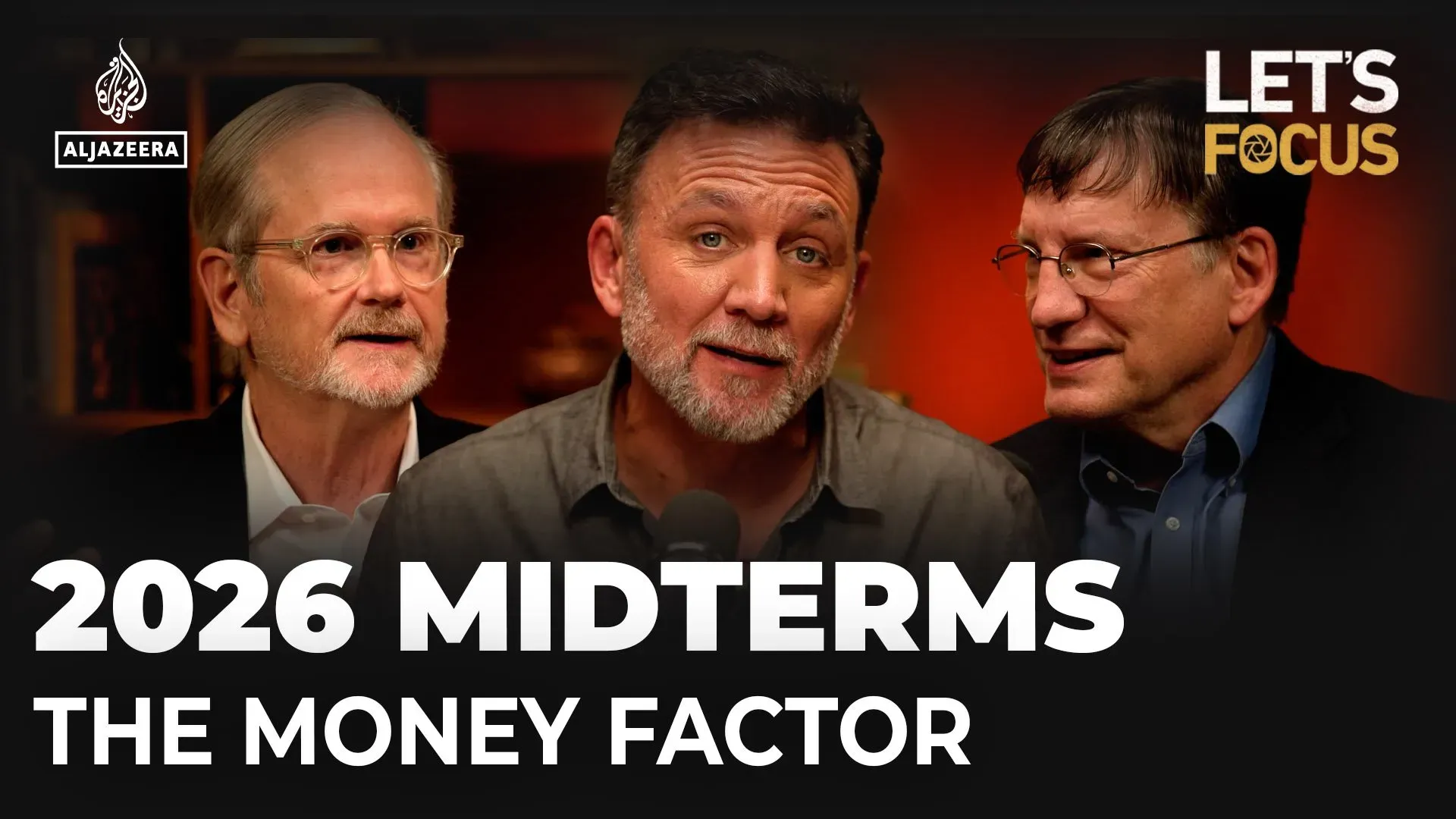
In a recent discussion hosted by Al Jazeera, host Josh Rushing consulted with experts Lawrence Lessig and Bradley Smith to dissect the mechanics of election spending. The conversation focused on identifying the primary sources of funding, the objectives behind these expenditures, and the potential for systemic change.
The discussion sought to clarify the relationship between massive financial outlays and the ability of voters to influence political outcomes in an era dominated by super PACs and concentrated wealth.



