
US air strikes Somalia: civilian toll and family accounts 2026
US air strikes in Somalia have increased sharply since 2025. Families in southern regions report deaths, injuries and mass displacement during operations against armed groups. According to public records, AFRICOM listed 84 strikes through September 2026 while the New America Foundation recorded 88. One November 2025 offensive near Jamaame left residents with lasting injuries and lost relatives. The US military assessed reports of 10 to 12 civilian deaths but concluded evidence did not meet its threshold for confirmation. Independent monitors documented 12 civilian deaths and 22,800 people displaced in the same period. This article examines survivor testimonies, official responses, displacement data and ongoing challenges for affected communities.
October 27, 2026
4 min read
Source: ASHENVOW
What occurred during the November 2025 offensive near Jamaame?
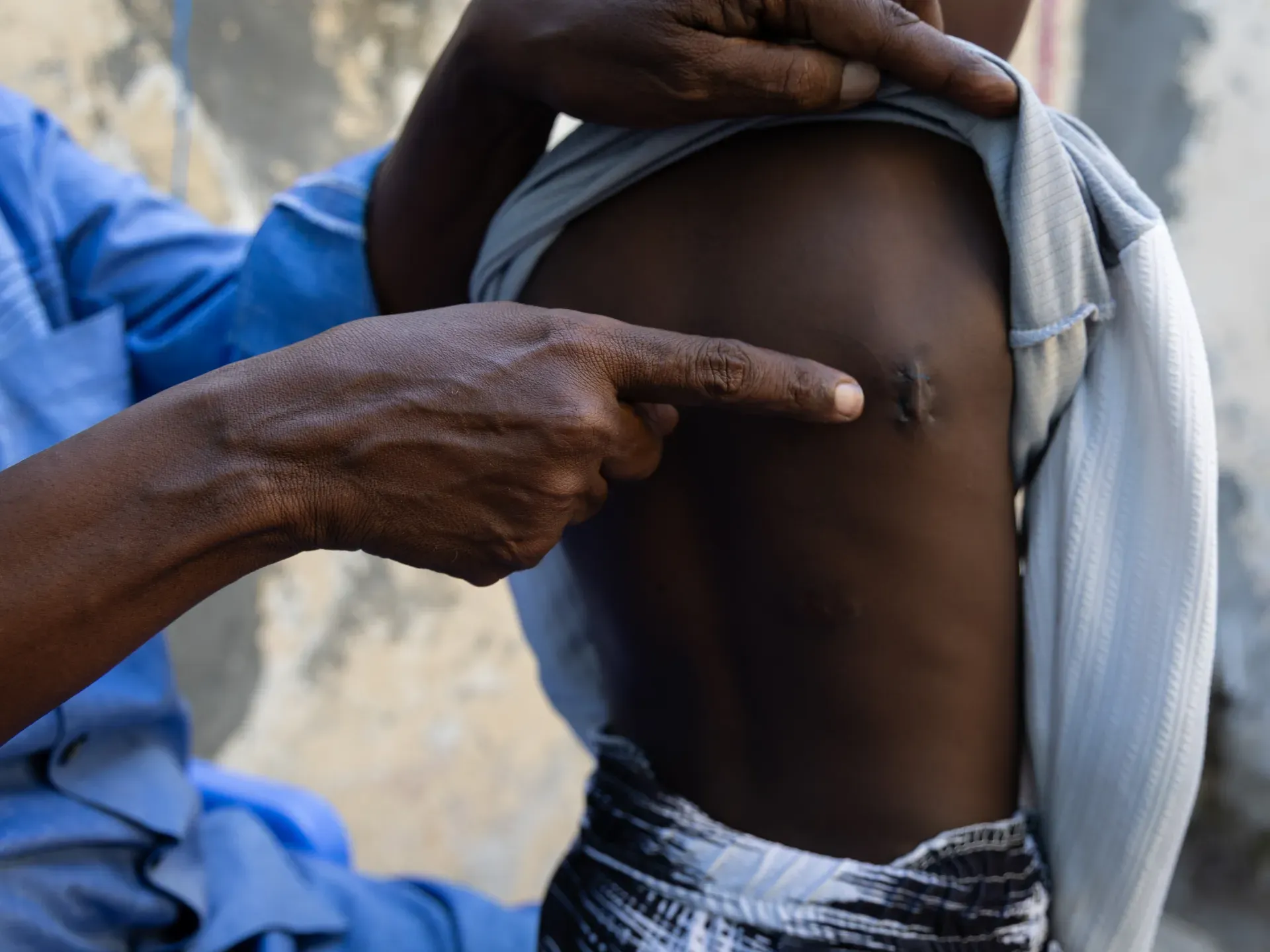
Residents described repeated aerial bombardments over several days in mid-November 2025. Somali forces and a US-trained commando unit conducted ground operations against al-Shabab positions around the town in Jubaland state. Witnesses reported explosions near homes without prior warning. One mother recalled preparing breakfast when aircraft appeared overhead and munitions struck nearby. Her seven-year-old son sustained shrapnel injuries that required medical evacuation to Mogadishu. Three of her six children were wounded in the same incident.
How have families described the immediate effects of the strikes?
Survivors recounted separation from relatives during the chaos and journeys lasting more than 24 hours to reach treatment. One farmer learned by telephone that his pregnant wife had been struck by debris while gathering children. She and the unborn child died. The three surviving children moved in with their grandmother while the father searched for work across several locations. Another farmer reported his wife injured while he worked fields. Clan leaders noted that many injured residents remained in the area without access to care in the capital.
What data exist on civilian deaths and displacement?
A UNHCR-led monitoring network recorded 12 civilian deaths between 16 and 18 November 2025. The same network documented 22,800 people fleeing Jamaame and surrounding villages. Reports mentioned damage to shops and storage facilities plus signs of psychological distress among those who escaped. Authorities stated that 56 al-Shabab fighters were killed and 20 captured, though independent verification of those figures was not possible. The figures cover mixed phases of air and ground activity, complicating attribution of individual casualties.
Why do some residents decline to speak publicly?
Local contacts indicated fear of reprisals from armed groups or authorities. Three individuals who lost family members or property chose not to speak on the record for safety reasons. Clan representatives stated that residents in affected areas remain reluctant to discuss losses linked to the offensive.
How did AFRICOM respond to reports of civilian harm?
The command completed an assessment of claims that US operations killed 10 to 12 civilians and damaged homes and businesses. It determined that the reviewed information did not meet the internal standard of more likely than not that US strikes caused the reported harm. AFRICOM did not confirm whether investigators interviewed survivors, hospital staff or local witnesses. The assessment remains open to new evidence that could alter the conclusion.
What challenges persist for survivors after the offensive?
Medical concerns continue for some children. Doctors warned that removing remaining shrapnel near a hip could cause paralysis, leaving one family to monitor the child closely during daily activities. Economic pressures have increased for households that lost breadwinners or property. One father described accumulating debt while moving between villages and the regional capital in search of income. Assistance from outside sources has been limited according to those interviewed.
FAQ: US air strikes Somalia
How many US strikes occurred in Somalia in 2026?
Public records show between 84 and 88 strikes through September 2026. The exact total varies slightly between AFRICOM disclosures and independent tracking by the New America Foundation.
Did US forces confirm civilian casualties near Jamaame?
AFRICOM assessed reports of civilian deaths and damage but concluded the evidence did not meet its threshold for confirmation. The command stated the finding does not prove no harm occurred.
How many people were displaced in November 2025?
UNHCR monitors recorded 22,800 individuals fleeing Jamaame and nearby villages between 16 and 18 November 2025. The displacement was described as rapid and widespread.
Why do some families still face medical difficulties?
Shrapnel remains lodged in some patients. Physicians have advised against removal in certain cases due to risks such as paralysis, requiring ongoing monitoring by relatives.
Have survivors received external assistance?
Accounts indicate limited outside support. Families have reported relying on relatives or moving locations while managing debt from medical travel and lost income.
Key takeaways
US air operations in Somalia reached 84 to 88 strikes by September 2026 according to multiple trackers.
November 2025 fighting near Jamaame produced reports of 12 civilian deaths and 22,800 displaced persons.
AFRICOM assessed but did not confirm civilian harm claims from the offensive using its internal standard.
Survivors describe ongoing medical needs, economic strain and fear of discussing losses publicly.
Independent monitoring networks documented damage to civilian infrastructure during the operations.
Residents in affected areas continue to seek medical care and livelihood support months later.
Conclusion
Accounts from Jamaame illustrate the lasting effects of intensified US air operations on Somali families. Official assessments and independent records present differing pictures of responsibility for civilian harm. Displacement figures and injury reports indicate significant disruption to communities already facing armed conflict. Continued monitoring and access to care remain central concerns for those affected as operations continue into late 2026.



