
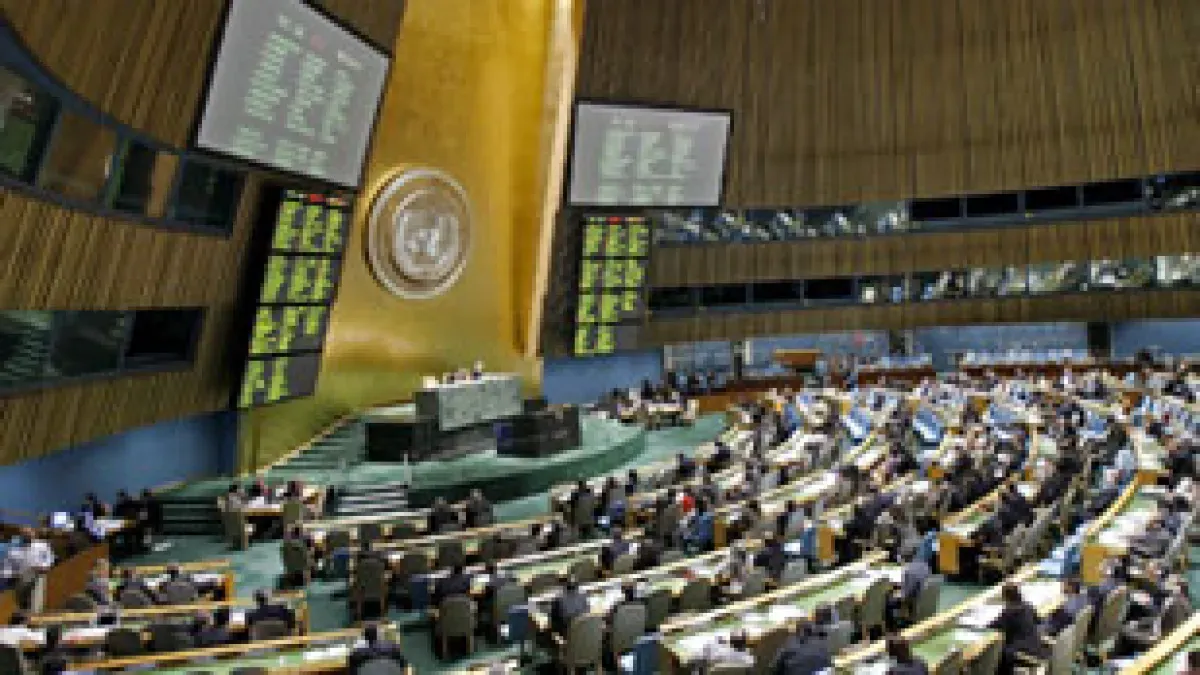
UN vote on Cuba embargo: 130 nations condemn US policy in 2026
The UN vote on Cuba embargo resulted in a decisive General Assembly resolution condemning the United States's economic, commercial, and financial restrictions on the island. On October 28, 2026, 130 member states voted in favour of the resolution, while 17 countries, including the US and Israel, cast votes against it. An additional 25 nations abstained, marking a shift in diplomatic alignment for several major economies. This annual vote highlights the ongoing tension between US isolationist policies and the international community's stance on Cuban economic sovereignty. This article examines the voting results, the diplomatic friction between Washington and Havana, and the impact of US lobbying efforts.
November 8, 2026
6 min read
Source: ASHENVOW
What were the results of the UN vote on the Cuba embargo?
The United Nations General Assembly passed a resolution on Wednesday, October 28, 2026, condemning the ongoing United States embargo against Cuba. The vote saw 130 member states supporting the measure, reflecting a broad international consensus against the long-standing economic restrictions. Conversely, 17 nations voted to oppose the resolution, with the United States and Israel among the dissenting group.
The voting pattern revealed a significant shift in the diplomatic landscape. While the resolution passed by a wide margin, the number of abstentions reached 25. Notably, several countries that had historically supported the condemnation, such as Germany and Italy, opted to abstain during this session. This change in voting behavior has become a central point of contention in the diplomatic struggle between the US and its critics.
Breakdown of the General Assembly Vote
The distribution of votes in the 2026 session illustrates a complex geopolitical divide. While the majority of the General Assembly remains aligned with the condemnation of the embargo, the rise in abstentions suggests a softening of support in certain European and Asian sectors. The US administration views this uptick in abstentions as a sign of progress toward its goal of reducing Cuba's international isolation, whereas Cuban officials view it as a consequence of external pressures.
How did the US respond to the resolution's passage?
US officials viewed the voting results through a lens of incremental diplomatic success, despite the resolution's passage. US Ambassador to the UN, Mike Waltz, expressed satisfaction regarding the shift in positions by several major economies. According to Waltz, the increase in countries choosing to abstain, including Germany and Korea, indicates that the US strategy to de-isolate Cuba is beginning to gain traction.
Waltz stated that while diplomacy is a slow process, the "tripling of countries that have shifted" provides a foundation for continued growth in US diplomatic influence. The US administration maintains that the embargo is part of a broader effort to address issues within the Cuban government, though the international community largely views the policy as a source of economic hardship for the Cuban population.
What is the Cuban government's stance on the US blockade?
Cuban officials have vehemently rejected the US position, characterizing the embargo as an illegal attempt to strangle the Cuban people. Following the vote, Cuban Foreign Minister Bruno Rodriguez used social media to condemn the United States, stating that the country remained isolated in its attempts to maintain the blockade. Rodriguez argued that neither media narratives nor political pressures would overcome the "force of facts and truth" regarding the embargo's impact.
The Cuban leadership has consistently linked the economic, commercial, and financial restrictions to the worsening humanitarian and economic conditions on the island. They argue that the US-led campaign, which has lasted for over six decades, is designed to squeeze the economy and force political change through deprivation. This stance is bolstered by the fact that the General Assembly has voted to condemn the embargo annually for more than thirty years.
Allegations of Diplomatic Coercion
The debate surrounding the vote was further complicated by serious allegations of coercion. Cuban officials accused the United States of using threats to influence the voting decisions of other member states. These alleged threats reportedly included the promise of tariffs, visa restrictions, and other forms of bilateral penalties against countries that chose to vote in favour of the condemnation. Such accusations suggest that the diplomatic battle is being fought not just through votes, but through economic and migratory leverage.
Why did tensions escalate during the General Assembly debate?
Tensions between US and Cuban representatives reached a breaking point during the General Assembly debates on Tuesday, leading to physical and verbal confrontations. Reports indicated that the exchange between the two delegations involved shouting and an apparent shoving match. This unprecedented breakdown in diplomatic decorum underscores the deep-seated animosity between the two nations.
The fallout from this confrontation resulted in immediate diplomatic consequences. US Ambassador Mike Waltz announced that Richard Tur de la Concepcion, a first secretary at Cuba’s UN mission, would be expelled from the United States. The US cited the incident as an assault on an American diplomat, marking a significant escalation in the bilateral relationship during the UN session.
What is the historical context of the US embargo on Cuba?
The economic embargo imposed by the United States on Cuba has persisted for more than sixty years. It is part of a long-standing policy aimed at isolating the Cuban government and exerting pressure on its economic stability. Over the decades, this policy has evolved to include various forms of restrictions, including an energy blockade implemented by the Trump administration to further tighten economic controls.
The embargo remains one of the most contentious issues in international relations at the United Nations. While the US maintains that these measures are necessary to achieve specific political objectives, the majority of the international community views them as a violation of sovereignty and a cause of unnecessary suffering for the Cuban citizenry. The annual UN vote serves as a recurring barometer of this global disagreement.
Frequently asked questions
How many countries voted in favour of the resolution?
A total of 130 countries voted in favour of the United Nations resolution condemning the US economic embargo on Cuba. This majority represents a significant portion of the General Assembly, reinforcing the international consensus against the long-standing blockade maintained by the United States.
Which countries opposed the condemnation of the embargo?
The United States and Israel were among the 17 countries that voted against the resolution. Their opposition stands in contrast to the 130 nations that supported the measure, highlighting a significant diplomatic divide regarding the legitimacy and impact of the US-led economic restrictions.
Why did Germany and Italy change their voting patterns?
Germany and Italy were among the 25 countries that abstained from the vote, whereas they had previously voted in favour of the resolution. US officials suggest this shift is part of a successful diplomatic push, while others view it as a complex geopolitical realignment.
What are the consequences of the recent diplomatic altercation?
Following a physical and verbal altercation during the General Assembly, the US announced the expulsion of Richard Tur de la Concepcion, a first secretary at Cuba's UN mission. This move follows allegations that the Cuban official assaulted an American diplomat during the debate.
How long has the US embargo on Cuba been in place?
The US economic, commercial, and financial embargo on Cuba has been in effect for more than sixty years. It is a long-standing policy that has been condemned annually by the United Nations General Assembly for over three decades.
Key takeaways
- The UN General Assembly passed a resolution with 130 votes condemning the US embargo on Cuba.
- Seventeen nations, including the US and Israel, voted against the resolution in 2026.
- Major economies like Germany and Italy shifted from supporting the resolution to abstaining.
- The US is expelling a Cuban UN mission official following a diplomatic altercation.
- The embargo has been a subject of annual UN condemnation for over thirty years.
Conclusion
The 2026 UN vote on the Cuba embargo highlights a persistent and deepening fracture in international diplomacy. While the overwhelming majority of the General Assembly continues to condemn the US economic restrictions, the rise in abstentions from key European and Asian nations provides the United States with a narrative of diplomatic progress. However, the intense personal and political confrontations between US and Cuban officials suggest that the underlying conflict remains unresolved. As the US continues to employ both economic and diplomatic pressure, the international community remains divided on the legitimacy of the blockade and its humanitarian consequences.



