
Palestine Action proscription: UK Supreme Court hears legal appeal
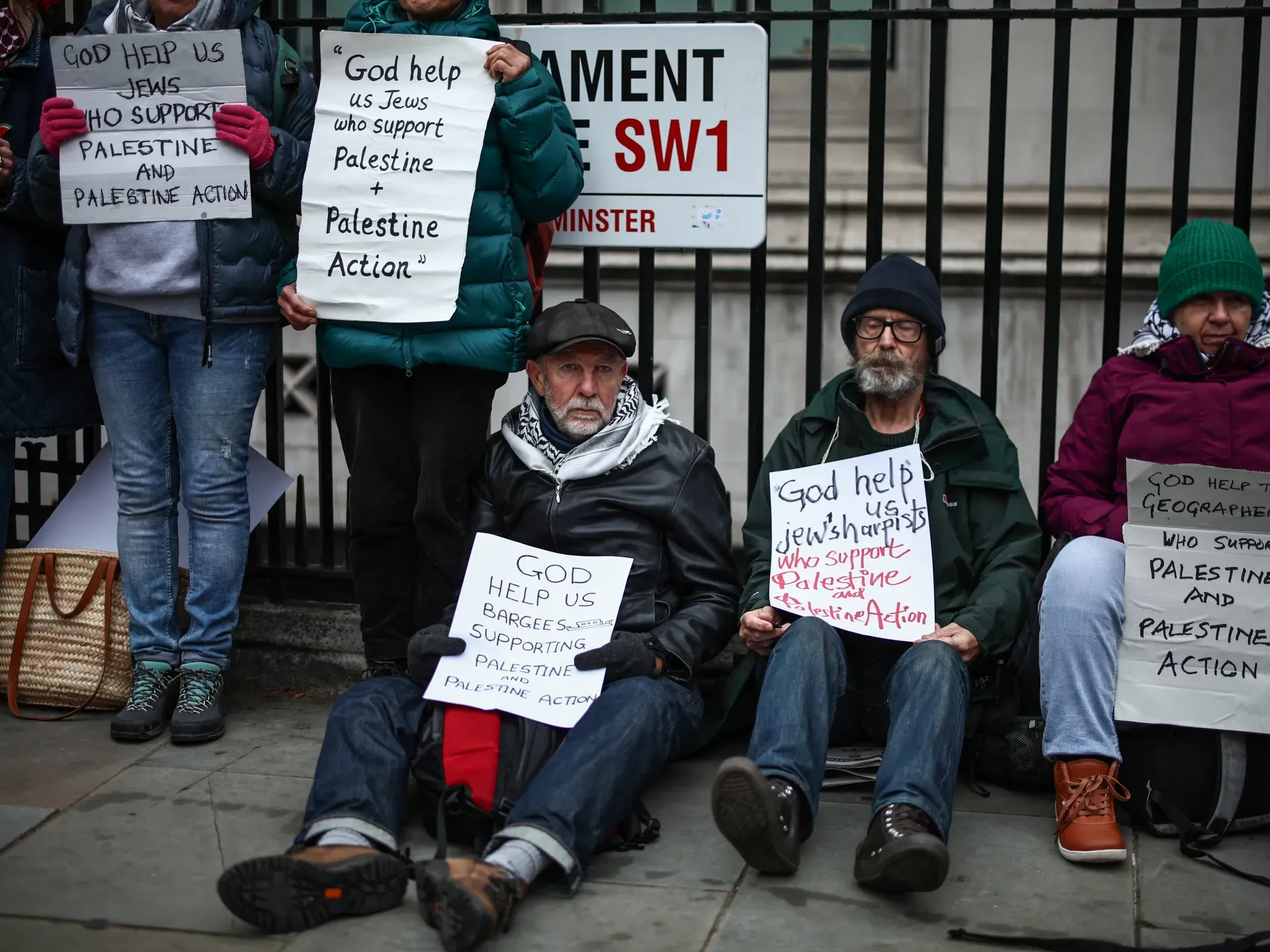
The Palestine Action proscription is currently under legal review as the UK Supreme Court began a two-day hearing on November 4, 2026. The appeal challenges the government's decision to designate the direct action group as a terrorist organisation. This designation, implemented under the administration of Keir Starmer in July 2025, places the group alongside entities such as al-Qaeda and ISIL. Protesters gathered outside the London court during the proceedings, leading to 25 arrests according to the Press Association. This article examines the legal arguments regarding terrorism powers, the impact on freedom of speech, and the broader context of UK civil liberties.
November 8, 2026
5 min read
Source: ASHENVOW
Why is the UK Supreme Court hearing an appeal against Palestine Action?
The UK Supreme Court is presiding over a two-day hearing to determine whether the government's designation of Palestine Action as a terrorist organisation is legally sound. The group, which describes itself as a direct action movement aiming to end global participation in Israel's policies toward Palestine, was proscribed in July 2025. This legal challenge seeks to overturn a status that carries severe criminal penalties for anyone found to be supporting or belonging to the group.
The core of the legal dispute rests on whether the executive branch exceeded its authority by using counter-terrorism legislation to target a political activist group. Huda Ammori, a co-founder of Palestine Action, has stated that the ban exerts a disproportionate pressure on the fundamental rights to protest and free expression. The court must now weigh the state's interest in national security against the protected rights of citizens to engage in political activism.
The legal implications of terrorist designation
Under current UK law, being designated as a terrorist organisation carries significant weight. Individuals convicted of supporting or being members of such a group face potential prison sentences of up to 14 years. This high threshold for criminal liability is a primary concern for legal experts who argue that the classification conflates political direct action with violent extremism.
How has the Palestine Action proscription affected civil liberties?
Rights organisations, including Amnesty International and Liberty, have denounced the proscription as a misuse of state power. These groups argue that the designation serves to criminalise dissent rather than to combat actual terrorism. The debate has intensified due to the arrests of demonstrators during the Supreme Court hearing, which included musicians, politicians, and celebrities.
Amnesty International's UK Law and Human Rights Director, Tom Southerden, described the situation as a "grave misuse of terrorism powers." He highlighted the inconsistency in how laws are applied, noting that protesters were arrested for using language that had not resulted in prosecution for others. This perceived selective enforcement has raised alarms regarding the vagueness of existing terrorism statutes and their potential to stifle legitimate political discourse.
What was the impact of the protests outside the Supreme Court?
The hearing was marked by significant demonstrations outside the Supreme Court in central London, resulting in multiple police interventions. According to the Press Association, approximately 25 protesters were arrested during the gathering on November 4, 2026. These arrests occurred as hundreds of people assembled to voice their opposition to the group's proscription.
The protests revealed deep divisions in public sentiment. While many participants held placards in support of Palestine Action and the right to protest, others expressed opposition to the group's methods. One notable point of contention involved the arrest of individuals for slogans that appeared to reference Sarah Helm, a journalist married to the UK Prime Minister's national security adviser. Critics argue that the arrests demonstrate a dangerous lack of clarity in how the police and the state define illegal speech under terrorism laws.
What is the broader context of UK government actions regarding Palestine?
The legal battle over Palestine Action is part of a wider trend of increased scrutiny regarding the UK government's handling of pro-Palestine activism. Since the conflict in Gaza escalated more than three years ago, the government has faced criticism for its approach to activists and academics who speak out against Israeli military actions.
Recent incidents have fueled the perception of a crackdown on specific political voices. For instance, Swedish academic Andreas Malm was recently denied entry into the United Kingdom. The government justified this decision by stating that his presence was "not conducive to the public good." This move has drawn criticism from those who see it as an attempt to limit international academic and political solidarity with the Palestinian cause.
Political leadership has also faced scrutiny. While Prime Minister Andy Burnham had previously suggested that the Labour Party had "got it wrong" regarding the situation in Gaza before taking office in July, the recent refusal of entry to Malm has led to renewed questions about the consistency of the government's stance on freedom of expression and political dissent.
Frequently asked questions
What does it mean that Palestine Action is proscribed?
Proscription means the UK government has officially designated Palestine Action as a terrorist organisation. This legal status makes it a criminal offence to belong to the group, support it, or display its symbols. Such offences can lead to significant prison sentences of up to 14 years.
Why are rights groups like Amnesty International opposing the ban?
Amnesty International and other rights groups argue that the government is misusing terrorism laws to suppress political dissent. They contend that the proscription targets activists rather than genuine terrorists, thereby infringing upon the fundamental rights to freedom of speech and peaceful assembly.
Who is involved in the Supreme Court appeal?
The appeal involves Palestine Action's leadership, including co-founder Huda Ammori, who argues the ban violates civil liberties. The legal proceedings are being monitored by human rights organisations like Liberty and Amnesty International, who are calling for the proscription to be lifted.
What were the consequences of the protests in London?
During the Supreme Court hearing, approximately 25 protesters were arrested by London police. These arrests occurred during a demonstration by hundreds of people who were gathered to protest the group's designation. The arrests included individuals holding various political placards.
How does the proscription affect individuals supporting the cause?
Being associated with a proscribed group carries severe legal risks. Under UK law, supporting a terrorist organisation can result in up to 14 years in prison. This creates a significant legal deterrent for individuals who wish to engage in direct action or public advocacy related to the group's mission.
Key takeaways
- The UK Supreme Court is hearing a two-day appeal regarding Palestine Action's terrorist designation.
- Palestine Action was proscribed in July 2025 under the Keir Starmer administration.
- Supporting a proscribed group in the UK can result in up to 14 years of imprisonment.
- Amnesty International has formally denounced the proscription as a misuse of terrorism powers.
- Approximately 25 protesters were arrested during demonstrations outside the Supreme Court.
Conclusion
The Supreme Court's decision in the Palestine Action appeal will likely serve as a landmark ruling for the future of political activism in the United Kingdom. By examining whether the designation of a direct action group as a terrorist entity constitutes a legitimate use of national security powers, the court is addressing the fundamental tension between state security and civil liberties. As rights groups continue to call for the lifting of the ban, the outcome will define the legal boundaries of protest and the extent to which terrorism legislation can be applied to political movements.



