
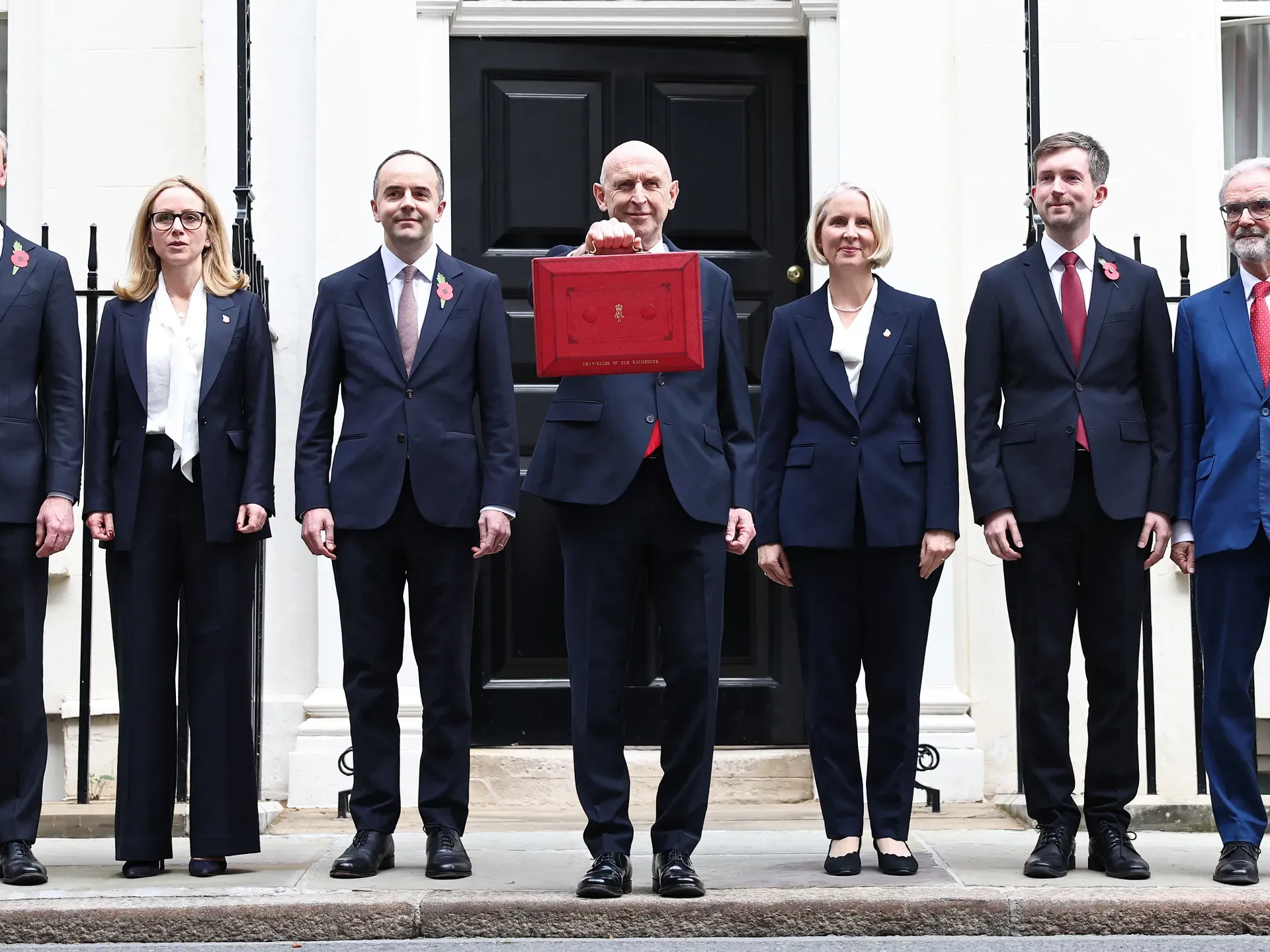
UK Autumn Budget 2026: A Deep Dive into Fiscal Measures
The UK Autumn Budget 2026, presented by Chancellor John Healey, introduces a series of fiscal measures aimed at supporting 'working people' following a period of economic stagnation. The budget includes a £15 billion defence investment plan and an additional £10 billion in aid for Ukraine. To mitigate rising energy costs, 20 million households will receive a one-off £100 payment. This article examines the budget's impact on energy costs, defence commitments, housing, and the broader economic outlook. Furthermore, it assesses how these specific financial shifts will influence long-term national growth and stability.
November 8, 2026
5 min read
Source: ASHENVOW
How will the UK government address rising energy costs?
The government has announced a one-off £100 payment for 20 million households to assist with rising energy bills. This relief is specifically targeted at residents living in homes valued at £88,000 ($117,000) or less, based on property valuations from April 1991. This measure comes as global fuel prices surge due to geopolitical tensions in the Middle East, specifically the US-Israel war on Iran, which has led to the closure of the Strait of Hormuz—a waterway responsible for approximately 20 percent of global oil and liquefied natural gas (LNG) transit.
In addition to the direct payments, Chancellor John Healey confirmed the extension of a temporary VAT cut until 1 July. This extension is expected to reduce the annual energy price cap by £50 ($66.50). Despite these interventions, some economic experts remain skeptical about their efficacy.
Criticism of cost-of-living measures
James Meadway, an economist and co-director of the think tank Verdant, suggested that these measures do not address the cost-of-living crisis on a scale commensurate with the problem. He noted that while these actions are not insignificant, they may fall short of the needs of a population facing worsening economic conditions. This sentiment is echoed by the Office for Budget Responsibility (OBR), which has projected zero growth in real earnings for the coming year and downgraded the 2027 growth forecast from 1.5 percent to 1 percent.
What are the implications for UK defence and Ukraine aid?
The budget prioritises military capabilities through a £15 billion Defence Investment Plan. To fund this, the Chancellor pledged to bridge a £4.7 billion ($6.2bn) gap by reprioritising existing departmental budgets. Furthermore, the UK has committed an additional £10 billion ($13.2bn) in combined economic and military assistance to Kyiv to support its ongoing war against Russia.
While the immediate funding is clear, the long-term path to meeting NATO's specific spending targets remains a subject of future policy. The government aims to reach a target of 3 percent of GDP on defence by 2030, eventually hitting 3.5 percent by 2035. However, the specific roadmap for these milestones will not be detailed until a spending review is conducted next year.
NATO Secretary-General Mark Rutte responded positively to the announcement on X, stating that the budget demonstrates a "strong commitment" to transatlantic security. Rutte emphasised that Britain's role is vital for deterring aggression and maintaining collective security among NATO allies.
How does the budget tackle the housing and homelessness crisis?
To address the ongoing housing shortage, the government will introduce a new First Time Buyer savings account in 2029, which will replace the current Lifetime ISA. This new vehicle is expected to mirror the benefits of its predecessor, offering a 25 percent government bonus on deposits up to £4,000, resulting in a maximum annual bonus of £1,000. The account will feature tax-free interest on all earnings.
The Chancellor also implemented immediate changes to existing housing financial structures. The penalty for first-time buyers using Lifetime ISA funds to purchase properties valued above £450,000 ($598,853) will be reduced from 25 percent to 20 percent. This adjustment ensures that savers can access their funds without losing their initial principal investment.
Addressing homelessness and living statistics
The budget also allocates £432 million over the next two years specifically to reduce street homelessness, a key priority for Prime Minister Andy Burnham. The urgency of these housing measures is underscored by recent data from the Office for National Statistics (ONS), which indicates a significant trend in domestic living arrangements. According to the ONS, 35 percent of men aged 20 to 35 were living with their parents last year, compared to 22 percent of women in the same age bracket.
What changes are being made to wages and corporate taxation?
Labour market adjustments include a 3.9 percent increase to both the National Minimum Wage and the National Living Wage, effective at the start of the new tax year in April. Currently, the National Minimum Wage for workers aged 18 to 20 stands at £10.85 ($14.44) per hour, while the National Living Wage for those aged 21 and over is £12.71 ($16.91).
To finance these social supports and business initiatives, the government is implementing a temporary increase in the Bank Corporation Tax Surcharge. The surcharge will rise from three percent to six percent for a period of 15 months, concluding on March 31, 2028. This fiscal move is projected to generate approximately £1.5 billion ($2bn) in additional revenue.
Key takeaways
- The government will provide a £100 energy payment to 20 million low-value household owners.
- A £15 billion defence investment plan has been launched to bolster national security.
- An additional £10 billion in aid has been pledged to support Ukraine's military and economy.
- The National Living Wage will rise by 3.9 percent starting in April 2027.
- A new tax-free First Time Buyer savings account will launch in 2029.
FAQ: UK Autumn Budget 2026
Who is eligible for the £100 energy payment?
The £100 one-off payment is intended for 20 million households. Eligibility is restricted to those living in homes with a valuation of £88,000 or less, based on the property price levels recorded in April 1991 rather than current market values.
How much is the UK providing for Ukraine in this budget?
The Chancellor has pledged an additional £10 billion ($13.2bn) specifically for Ukraine. This funding is designated to support both the economic stability and the military requirements of Kyiv during its ongoing conflict with Russia.
What is the new Bank Corporation Tax Surcharge?
The Bank Corporation Tax Surcharge is being temporarily increased from 3% to 6%. This measure is scheduled to last for 15 months, ending on March 31, 2028, and is expected to raise roughly £1.5 billion for the Treasury.
When will the new First Time Buyer savings account launch?
The new First Time Buyer savings account is scheduled to launch in 2029. It will replace the existing Lifetime ISA and will continue to offer a 25 percent government bonus on deposits up to £4,000.
How much will wages increase in April?
Both the National Minimum Wage and the National Living Wage will increase by 3.9 percent. This change will take effect at the start of the new tax year in April, impacting workers across different age demographics.
Conclusion
The Autumn Budget 2026 represents a significant attempt by the Burnham administration to pivot away from years of economic stagnation and austerity. By balancing increased defence spending and international aid with targeted relief for energy costs and housing, the government is attempting to address multiple crises simultaneously. However, with the OBR forecasting low growth and economists warning that the measures may not match the scale of the cost-of-living crisis, the budget's success will depend on whether these fiscal injections can truly provide the promised "breathing space" for the British public.



