
Just transition in Uganda: COP31 funding and oil tensions
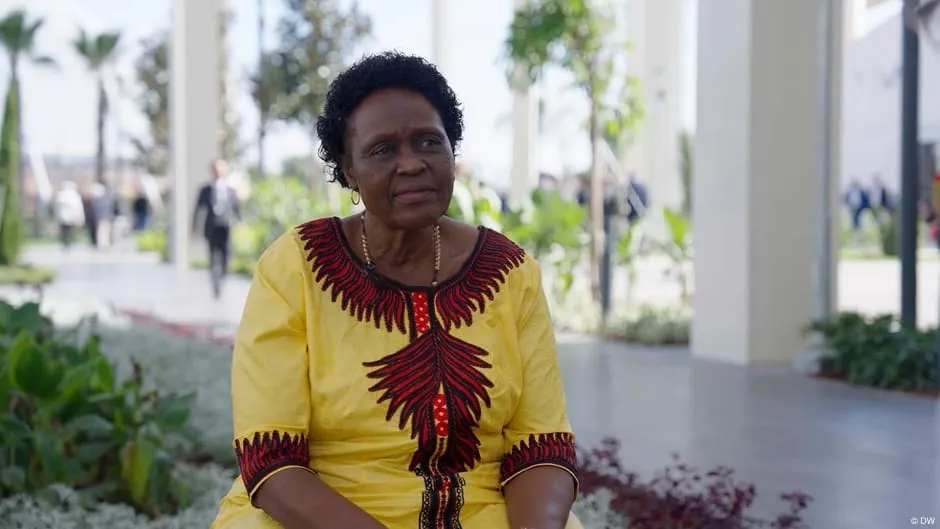
The concept of a just transition in Uganda has become a central theme at the COP31 summit in Antalya, Turkey, as the nation seeks to balance economic development with climate adaptation. Uganda's environment minister, Beatrice Atim Anywar, stated that the country is currently "begging for funds that are not forthcoming" from wealthy nations. While Africa contributes less than 4% of global greenhouse gas emissions, Uganda faces severe climate-related disasters, including landslides and droughts. To fund its transition, the government is looking toward oil production and carbon credits to secure the necessary financial resources.
November 21, 2026
4 min read
Source: ASHENVOW
The concept of a just transition in Uganda has become a central theme at the COP31 summit in Antalya, Turkey, as the nation seeks to balance economic development with climate adaptation. Uganda's environment minister, Beatrice Atim Anywar, stated that the country is currently "begging for funds that are not forthcoming" from wealthy nations. While Africa contributes less than 4% of global greenhouse gas emissions, Uganda faces severe climate-related disasters, including landslides and droughts. To fund its transition, the government is looking toward oil production and carbon credits to secure the necessary financial resources.
The demand for climate financing at COP31
Uganda's delegation at the COP31 summit is focusing on the critical gap in climate financing between developed and developing nations. Minister Beatrice Atim Anywar highlighted that the lack of promised funds from wealthy countries is hindering the country's ability to respond to immediate environmental threats. According to Anywar, the reality on the ground involves significant human suffering, including displacement, hunger, and threats to food security caused by shifting weather patterns.
The summit, involving approximately 200 states, is currently debating how to scale up financial support and whether this assistance should be distributed through grants or loans. This debate is particularly acute for African nations, which remain among the most vulnerable to climate impacts despite their minimal contribution to global emissions.
Impact of climate disasters on Uganda
The environmental minister noted that climate change has direct implications for national budgets and public health. Recent years have seen a surge in disasters such as deadly landslides and floods that destroy entire villages, alongside droughts that compromise both agricultural harvests and hydroelectricity production. For example, in October 2025, heavy rainfall triggered landslides in Kaptang village, resulting in the destruction of homes.
Balancing energy access and renewable expansion
Uganda is attempting to scale up electricity production through renewable sources like solar and hydropower to reduce its heavy reliance on biomass. Currently, biomass accounts for 90% of the country's final energy consumption, as more than 90% of Ugandan households rely on wood and charcoal for cooking due to affordability. Only about 2% of the country's total energy currently comes from electricity, and access to the power grid remains limited to less than half of the population.
The government's strategy involves a systematic phase-out of charcoal use by providing affordable alternatives. Minister Anywar stated that the nation is deliberately scaling up hydropower to make electricity more accessible for cooking purposes. This transition is seen as a way to mitigate the deforestation caused by the widespread use of wood and charcoal.
The controversy surrounding the East African Crude Oil Pipeline
The development of the East African Crude Oil Pipeline (EACOP) represents a major economic pillar for Uganda, but it remains a significant point of contention at international climate talks. The 1,443-kilometer pipeline, scheduled to begin operations in 2027, will connect oil sites in eastern Uganda to a Tanzanian coastal port. While the project aims to boost economic development, environmentalists argue it contradicts global temperature-limiting goals.
The project faces several specific criticisms regarding its environmental and social footprint:
- Emissions: The Climate Accountability Institute stated that the pipeline would release 379 million tons of climate-heating pollution over its 20-year operational lifetime.
- Ecosystem Impact: The pipeline and associated oil wells, operated by TotalEnergies, are located within Murchison Falls, Uganda's largest and oldest national park.
- Capacity: The pipeline is designed to transport up to 246,000 barrels of oil per day.
Minister Anywar addressed these concerns by asserting that measures are in place to limit emissions and that the project is progressing in a "very deliberate way." She emphasized that developing nations must be allowed to use their natural resources to drive development, describing oil revenues as an "umbilical cord" necessary for the country's survival during the transition to cleaner energy.
Economic necessity vs. environmental protection
The tension between resource extraction and climate goals is a recurring theme for the Ugandan delegation. Anywar argued that a "just transition" must be equitable, meaning it must protect the workers and communities that rely on these economic drivers. She urged developed countries to show leniency toward less wealthy nations that are attempting to use existing resources to fund their future green energy infrastructure.
Carbon credits as a potential financial breakthrough
To supplement traditional climate finance, Uganda is looking toward the carbon credit market as a potential source of revenue for adaptation projects. Carbon credits are tradeable permits representing one ton of carbon dioxide removed or reduced from the atmosphere through initiatives like reforestation, tree planting, or renewable energy projects. Uganda intends to leverage its high levels of biodiversity to attract international investors.
The minister described carbon credits as a potential "breakthrough" for the nation, provided the approach is managed effectively. However, the market has faced international criticism regarding a lack of transparency and the risk that it may allow polluting entities to continue business as usual without making substantive cuts to their own emissions.
| Financing Mechanism | Primary Objective in Uganda | Key Challenges/Risks |
|---|---|---|
| Climate Grants/Loans | Address immediate climate impacts and food security | Lack of forthcoming funds from developed nations |
| Oil Revenues (EACOP) | Drive economic development and fund energy transition | High emissions and ecosystem damage in Murchison Falls |
| Carbon Credits | Attract investment through biodiversity and forest protection | Transparency issues and potential for |



