
Uganda Ebola quarantine: 21-day rule for citizens returning from DRC
Uganda has implemented a mandatory 21-day Ebola quarantine for all citizens returning from the Democratic Republic of the Congo (DRC). This measure, announced by Health Minister Chris Baryomunsi on October 25, 2026, follows concerns regarding virus transmission across African borders. While Uganda maintains it is currently Ebola-free, recent cases in Nigeria and Kenya have heightened regional scrutiny. The quarantine requires returning travellers to cover their own costs, alongside strengthened border checks at Entebbe International Airport. This article examines the new quarantine mandates, the investigation into cross-border infection links, and the current status of the regional Ebola outbreak.
October 27, 2026
5 min read
Source: ASHENVOW
Why has Uganda implemented a 21-day Ebola quarantine?
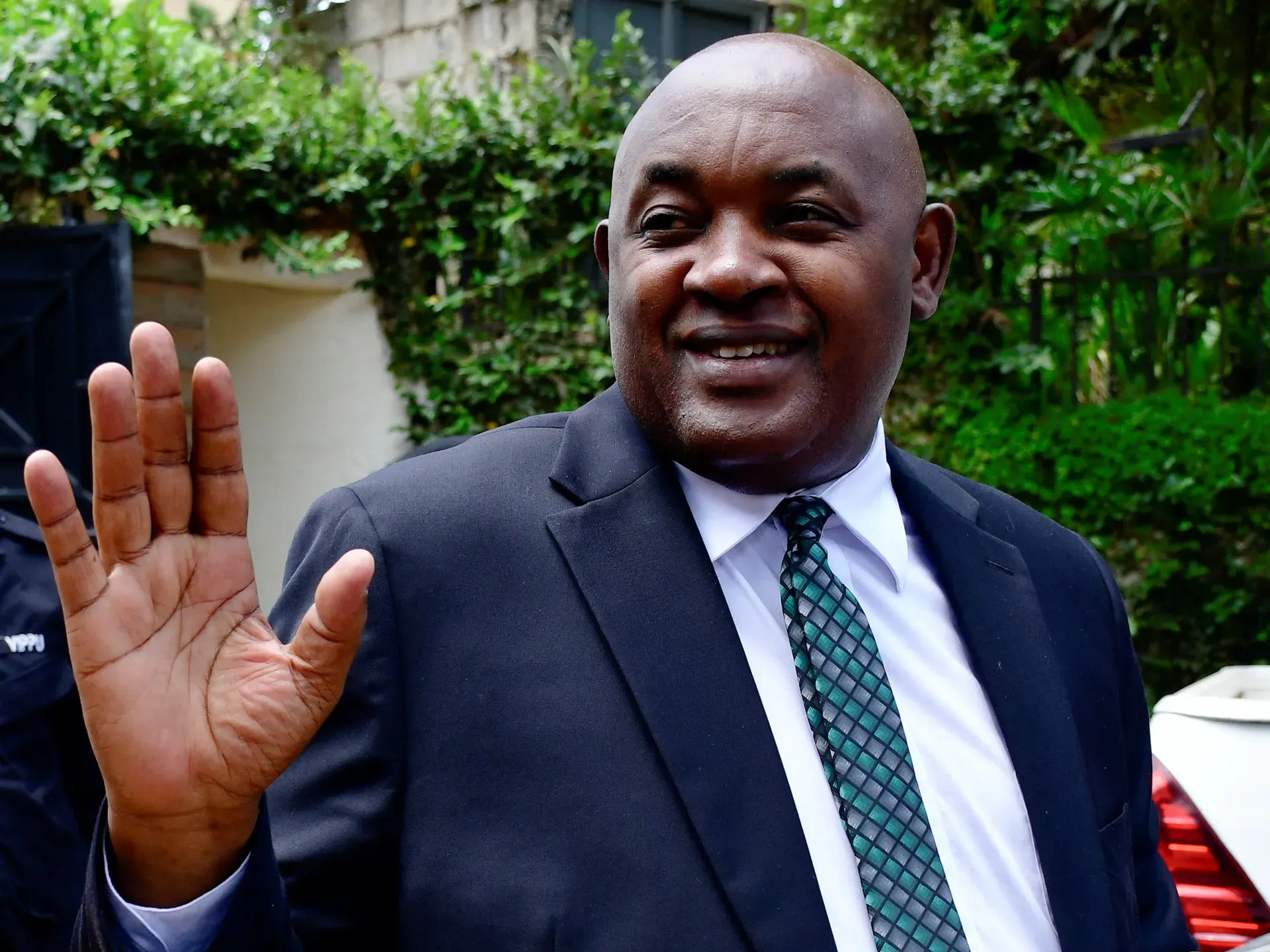
Uganda has introduced a 21-day mandatory quarantine for citizens arriving from the Democratic Republic of the Congo (DRC) to mitigate the risk of importing the Ebola virus. Health Minister Chris Baryomunsi announced these heightened precautions during a press briefing in Kampala on Sunday, October 25, 2026. The decision comes as health officials monitor potential transmission routes involving travellers moving between the DRC, Uganda, Kenya, and Nigeria.
The Ministry of Health specified that individuals returning from the DRC will be responsible for the costs associated with their quarantine period. To bolster these measures, authorities have increased surveillance at Entebbe International Airport and various land crossings. Additionally, all incoming travellers are now required to complete documentation providing contact information to facilitate tracing if necessary.
Strengthened Border Surveillance
The implementation of these rules is not merely about isolation but also about data collection. By requiring contact forms, Ugandan officials aim to create a more robust contact-tracing network. This is particularly critical given the incubation period of the virus, which can last up to 21 days, making immediate detection difficult through visual symptoms alone.
What is the source of the current regional Ebola concern?
The primary driver for the new quarantine is a series of interconnected cases in Nigeria and Kenya that have raised questions about regional movement. Although Uganda declared its Bundibugyo outbreak over on July 28, 2026—after recording 20 infections and two deaths—new evidence suggests the virus may be circulating via international travellers.
A significant point of contention involves a Ugandan-born woman, married to a Swiss diplomat, who was diagnosed with Ebola in Nigeria on October 20. Swiss authorities suggested she may have contracted the virus during a visit to Uganda in September. However, Minister Baryomunsi has challenged this assessment, noting that relatives who had visited the DRC met the woman in a Kampala suburb. He has urged that scientific evidence, rather than political assumptions, should dictate the understanding of her infection source.
According to the World Health Organization (WHO), current information does not definitively prove that the woman travelled to the DRC herself. This ambiguity has led to ongoing investigations by both Nigerian and Ugandan officials to determine the exact point of exposure.
How are the cases in Kenya and Nigeria linked to Uganda?
Investigations are currently focused on a specific travel route involving a Kenyan man who moved from the DRC through Uganda before arriving in Nairobi on October 3, 2026. This individual died two days after his arrival in Kenya, and a second death has since been reported in that country.
Both the Kenyan patient and the Nigerian case appear to have passed through Entebbe International Airport on the same day. This coincidence has sparked intense scrutiny regarding potential transmission at transit hubs. While Nigerian authorities reported that genetic testing found closely related viruses in the two cases, they noted that a direct link has not yet been established. Ugandan officials have countered concerns about airport transmission by stating that security footage showed no physical interaction between the travellers in question.
Monitoring and Contact Tracing Results
Despite the concerns, Ugandan health officials reported progress in managing potential exposures. Minister Baryomununsi stated that 60 individuals in Uganda who were identified as having had possible contact with the Kenyan patient have successfully completed their 21-day monitoring period and have been discharged. This suggests that, at least in this specific instance, the containment measures were effective.
What is the scale of the Ebola outbreak in the DRC?
The regional tension is underpinned by the massive scale of the ongoing outbreak in the Democratic Republic of the Congo. As of October 20, 2026, the WHO had recorded 9,704 cases and 4,687 deaths in the DRC. This outbreak has spread across eight different Congolese provinces, making it the largest recorded outbreak of the virus in the country's history.
The outbreak, which began in May, involves the Bundibugyo strain of the Ebola virus. This specific strain presents significant challenges for medical teams because there is currently no approved vaccine or specific medical treatment available for it. The virus spreads through direct contact with the bodily fluids of infected individuals, necessitating strict hygiene and isolation protocols.
What are the official recommendations from the WHO?
The World Health Organization has advised against broad restrictions on international trade or travel with affected countries, focusing instead on enhanced monitoring and cross-border cooperation. In an update released on October 23, the agency urged for more rigorous oversight to prevent the spread of the virus while maintaining economic stability.
The WHO's guidance emphasizes that while monitoring is essential, blanket travel bans can often be counterproductive to managing an outbreak. Instead, the agency advocates for the strengthening of health surveillance systems and better communication between neighbouring nations to track the movement of infected individuals and their contacts effectively.
Frequently asked questions
What is the incubation period for Ebola?
According to the WHO, symptoms of the Ebola virus can take up to 21 days to appear after exposure. This long incubation period is why health officials implement 21-day quarantine periods to ensure that anyone potentially infected does not unknowingly spread the virus to others.
How does the Bundibugyo strain differ from other Ebola strains?
The Bundibugyo strain is the specific variant currently causing the major outbreak in the DRC. A critical challenge with this strain is that there are currently no approved vaccines or specific medical treatments available to combat it, making containment through isolation vital.
Is Uganda currently experiencing an active Ebola outbreak?
Uganda maintains that it is currently Ebola-free, having officially declared its previous Bundibugyo outbreak over on July 28, 2026. However, the government has implemented new quarantine measures as a precaution against potential imported cases from the DRC and neighbouring countries.
Who is responsible for the costs of the new quarantine?
The Ugandan Ministry of Health has stated that the costs associated with the 21-day quarantine for citizens returning from the DRC will be the responsibility of the returning travellers themselves. This policy accompanies the new mandatory isolation requirements.
How is Ebola transmitted between humans?
Ebola is spread through direct contact with the bodily fluids of people who are already infected with the virus. This includes contact with blood, secretions, or other fluids, which is why strict contact tracing and quarantine measures are used to limit exposure.
Key takeaways
- Uganda has mandated a 21-day quarantine for citizens returning from the DRC.
- The DRC outbreak has reached 9,704 cases and 4,687 deaths as of October 20, 2026.
- The Bundibugyo strain currently lacks an approved vaccine or specific treatment.
- Ugandan officials are investigating potential links between cases in Nigeria and Kenya.
Conclusion
The implementation of the 21-day quarantine in Uganda reflects the high level of regional anxiety caused by the unprecedented scale of the Ebola outbreak in the DRC. While Uganda maintains its Ebola-free status, the suspicious timing of cases in Nigeria and Kenya necessitates a precautionary approach. The tension between scientific evidence and political interpretation regarding the source of infections remains a central challenge for regional health authorities. Ultimately, the success of these containment efforts will depend on sustained cross-border cooperation and the ability of health agencies to track the virus's movement without disrupting essential regional trade and travel.



