
Trump triumphal arch plans: DC and Virginia file lawsuit
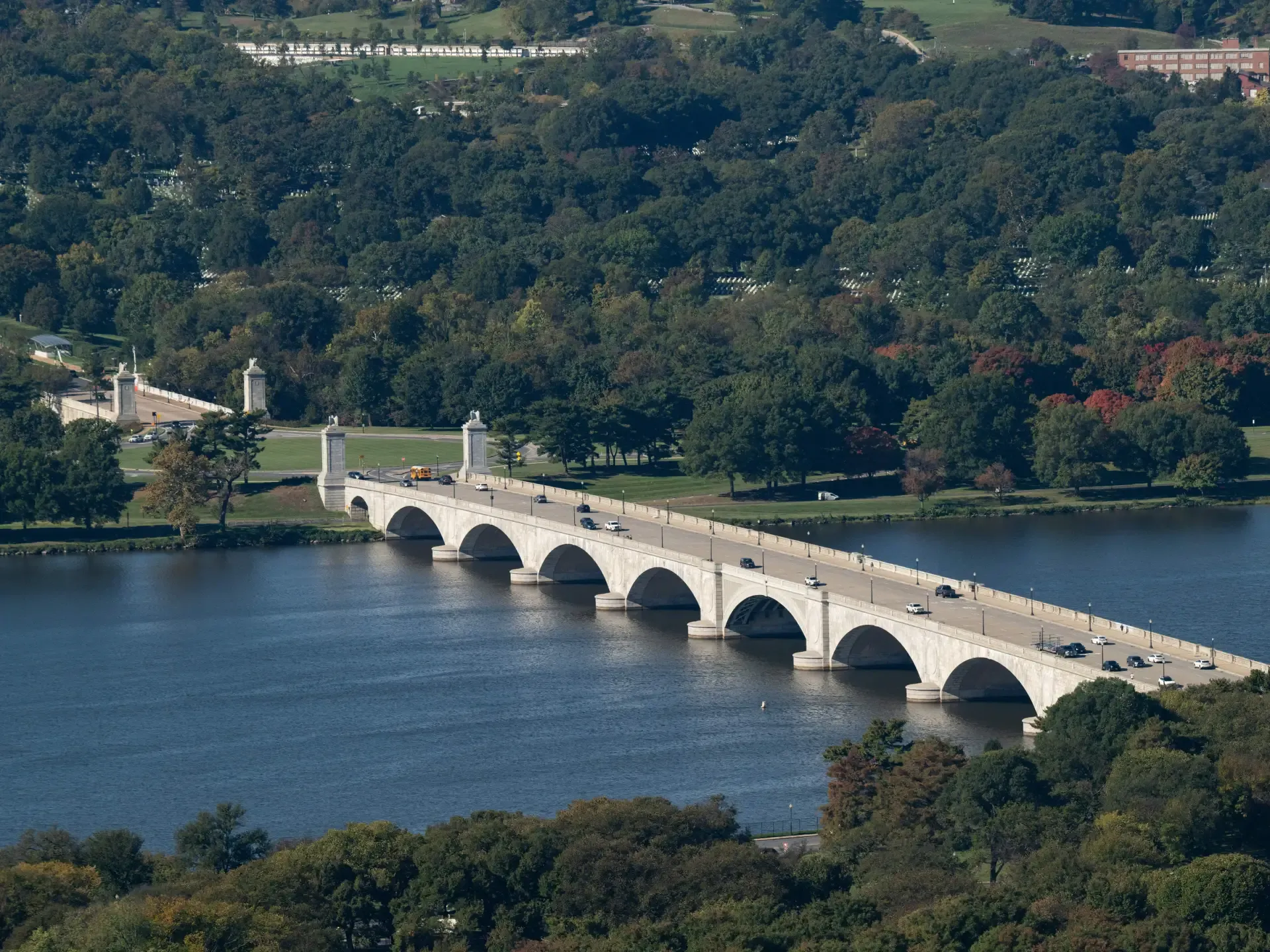
Trump triumphal arch plans have triggered a major legal battle as the District of Columbia and Virginia filed a joint lawsuit to halt construction. The legal action, filed on October 31, 2026, labels the project “flagrantly unlawful” and seeks to prevent the administration from breaking ground near the Potomac River. The proposed 12-storey megastructure, intended to stand 76 metres tall, faces intense opposition due to potential disruptions to traffic, environmental impacts, and the obstruction of views at Arlington National Cemetery. This article examines the details of the lawsuit, the architectural specifications of the monument, and the ongoing legal challenges.
November 8, 2026
5 min read
Source: ASHENVOW
Why are DC and Virginia suing to block the arch?
The District of Columbia and the state of Virginia have launched a joint legal challenge to stop the construction of a massive triumphal arch proposed by President Donald Trump. In a lawsuit filed on Saturday, October 31, 2026, the two jurisdictions described the project as both "legally indefensible" and "flagrantly unlawful." The core of their argument rests on the fear that once construction begins, the administration might attempt to bypass judicial oversight by claiming that any pause in work constitutes a national security risk.
The Attorneys General of both jurisdictions, Brian Schwalb of Washington, DC, and Jay Jones of Virginia, argue that the project's footprint will cause "irreparable harm." They are specifically asking the federal court system to intervene and bar construction before any ground is broken. A primary demand of the lawsuit is that the Trump administration must obtain explicit congressional authorization before proceeding with the project.
Anticipating administrative tactics
The lawsuit highlights a pattern of behavior from the current administration, stating that the defendants have previously moved to rapidly reshape the District of Columbia to avoid court intervention. By filing this suit now, the local governments hope to prevent a situation where the project becomes a 'fait accompli' that is too difficult to stop once physical works commence.
What are the specific details of the proposed monument?
The proposed monument is designed as a 12-storey megastructure that would tower over the local landscape from Memorial Circle in Washington, DC. According to a 106-page proposal unveiled by the administration on Friday, the arch would reach a height of 76 metres (250 feet), making it 30 metres (100 feet) taller than the Statue of Liberty. The design is inspired by historical monuments like the Arc de Triomphe in Paris but scaled to a significantly larger magnitude.
The architectural plan includes several high-profile features intended to serve both ceremonial and functional purposes:
- A winged bronze statue of Lady Liberty holding an eternal flame.
- Two mezzanines and an observation deck offering panoramic east-west views.
- Dedicated programme spaces and administrative offices.
- A specialized "fire command centre."
Beyond its aesthetic and ceremonial functions, the monument is intended to serve strategic roles. President Trump has indicated that the arch could function as a military hub, equipped with capabilities for drones and snipers.
How does the arch impact Arlington National Cemetery?
One of the most significant points of contention involves the monument's visual and physical impact on Arlington National Cemetery, a hallowed site for military graves. Veterans' groups and local officials have expressed profound concern that the scale of the arch would obstruct the views and the solemn atmosphere of the cemetery. The sheer height of the 76-metre structure is seen by critics as a disruption to the sanctity of the site.
The opposition is not limited to visual concerns. The project's proximity to the Potomac River and the cemetery raises several logistical and environmental questions that have become central to the legal battles surrounding the site.
Environmental and logistical concerns
The anticipated three-year construction period is expected to have a heavy footprint on the surrounding area. The lawsuit filed by DC and Virginia warns of several specific consequences:
- Traffic Disruption: Significant rerouting of commuter traffic to nearby roads, potentially causing long-term congestion.
- Emergency Services: The potential for slowed response times for emergency vehicles due to the altered traffic patterns.
- Pollution: Increased local pollution and the risk of stormwater runoff into the Potomac River.
What is the current status of the legal challenges?
The lawsuit filed by DC and Virginia marks the third major legal attempt to halt the project. The legal landscape is currently divided among several different plaintiffs and judicial processes. The timeline of the litigation reveals a growing momentum of opposition from various levels of government and civil society.
The existing legal challenges include:
- Arlington County: On October 8, Arlington County became the first governmental body to file suit, arguing the project would harm residents and likely necessitate changes to local flight paths.
- Veterans and Historians: In February, a group consisting of architectural historians and Vietnam War veterans launched an initial effort to stop the construction.
- DC and Virginia: The most recent joint filing seeking to mandate congressional approval.
District Judge Tanya Chutkan is currently overseeing the case brought by the veterans and historians. While she has not yet issued a preliminary injunction to freeze construction, she has signaled that a decision will be made expeditiously. Notably, the judge has already mandated that the administration provide the court with 48 hours' notice before any activities related to the construction take place.
Who has approved the project so far?
Despite the intense legal and local opposition, the monument has already secured an important early endorsement. The US Commission of Fine Arts has given its approval for the project. However, critics have pointed out a potential conflict of interest regarding this approval, noting that the members of the commission were all appointed by President Trump.
Frequently asked questions
What is the main goal of the DC and Virginia lawsuit?
The primary goal is to prevent the Trump administration from breaking ground on the triumphal arch without prior congressional authorization. The lawsuit seeks to stop the project before construction begins to avoid irreparable environmental, traffic, and historical harm to the region.
How tall will the proposed triumphal arch be?
The proposed monument is designed to be 76 metres (250 feet) tall. This height would make the structure 30 metres (100 feet) taller than the Statue of Liberty, a scale that has drawn significant criticism from local officials and veterans.
Why are veterans' groups protesting the monument?
Veterans' groups are concerned that the massive scale of the arch will block views of Arlington National Cemetery. They argue that such a large structure would disrupt the visual sanctity and the hallowed atmosphere of the military grave site.
When is construction expected to begin?
White House officials have indicated that ground could be broken as early as November 5, 2026. This timeline is what the recent lawsuit is attempting to block through the federal court system.
What functions will the arch serve besides being a monument?
In addition to its ceremonial role, the arch is designed to include offices, a fire command centre, and an observation deck. President Trump has also suggested the structure could serve as a military hub with drone and sniper capabilities.
Key takeaways
- DC and Virginia have filed a joint lawsuit to block the Trump triumphal arch project.
- The proposed 76-metre monument would be 30 metres taller than the Statue of Liberty.
- Opponents cite risks to Arlington National Cemetery views and Potomac River environmental health.
- The lawsuit demands that the administration obtain congressional authorization before construction.
- The project is expected to involve a three-year construction period with significant traffic changes.
Conclusion
The proposal for a massive triumphal arch near the Potomac River has moved beyond a mere architectural debate into a complex legal confrontation involving state and local governments. While the administration moves toward a potential November start date, the combined legal pressure from Arlington County, the District of Columbia, and Virginia highlights deep-seated concerns regarding environmental impact, traffic, and the preservation of historic views at Arlington National Cemetery. The upcoming decisions by the federal courts, particularly regarding preliminary injunctions, will determine whether this megastructure proceeds or faces significant delays through congressional scrutiny.



