
Trump pressure on Ukraine peace deal: Shifting US policy
Trump pressure on Ukraine peace deal has intensified following recent White House statements targeting President Volodymyr Zelenskyy. Donald Trump is actively urging Kyiv to accept a settlement to end the conflict with Russia, warning of consequences if a deal is not reached. This development follows a series of diplomatic frictions, including the controversial slowdown of Starshield satellite services and a significant reversal in US economic policy toward Moscow. This article examines the escalating feud between Trump and Zelenskyy, the technical disputes surrounding SpaceX technology, and the broader geopolitical shifts in US-Russia relations.
October 21, 2026
6 min read
Source: ASHENVOW
Why is President Trump increasing pressure on Ukraine to settle?
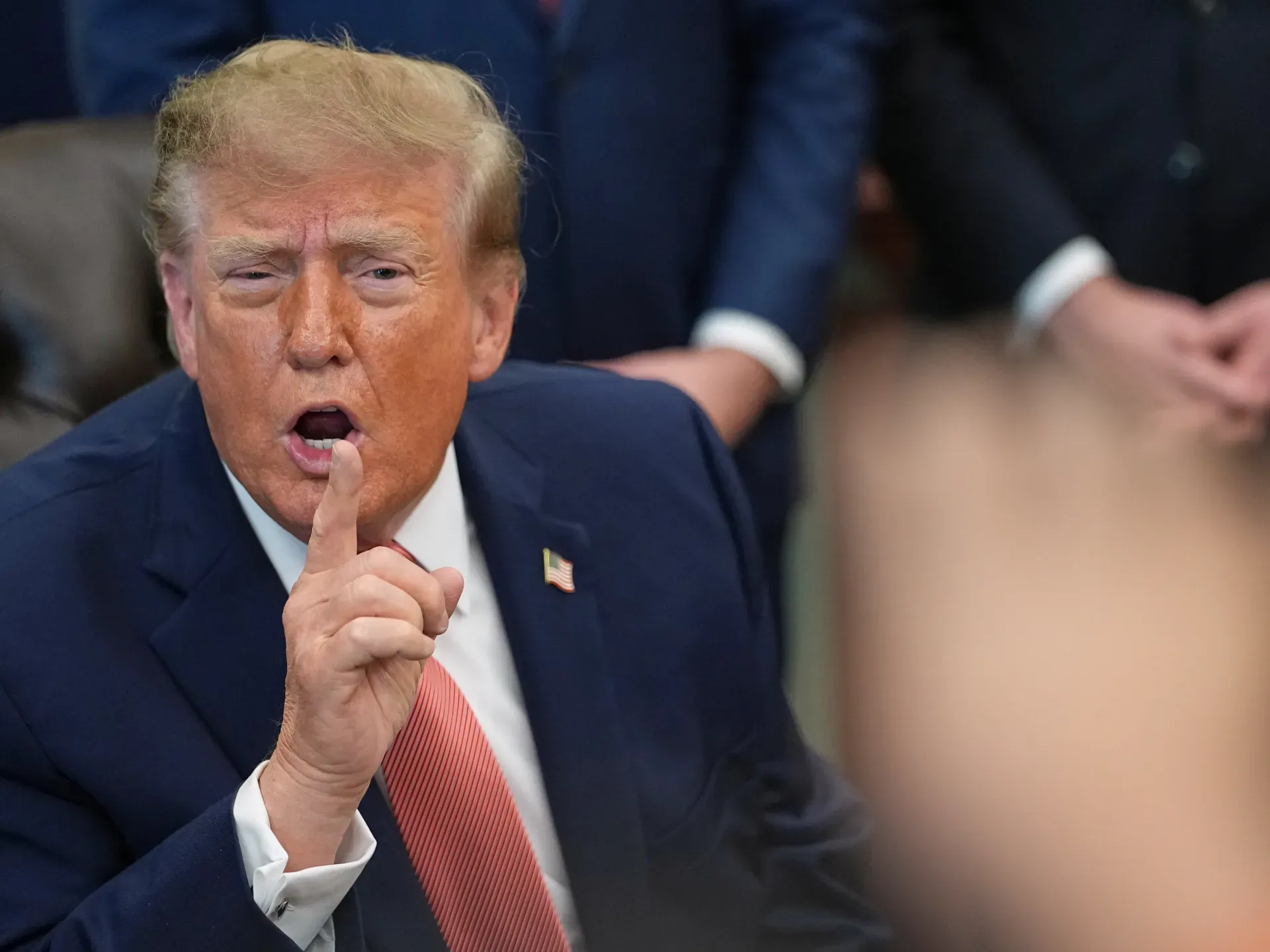
President Donald Trump has publicly intensified his demands for Ukraine to enter negotiations with Russia, placing the burden of peace on President Volodymyr Zelenskyy. Speaking from the White House on Tuesday, October 20, 2026, Trump suggested that the Ukrainian leadership is the primary obstacle to ending the years-long war. He warned that if Zelenskyy does not seek a settlement, the situation could deteriorate significantly, noting that Russia possesses an "unlimited" supply of personnel to continue the military engagement.
The US President also revisited a contentious meeting held in the Oval Office in February 2025, shortly after his return to power. Trump claimed that at that time, Zelenskyy could have negotiated a "better deal" than what is currently on the table. By framing the conflict as a matter of Ukrainian will, Trump appears to be signaling a shift in US policy from unconditional support to a mandate for rapid resolution.
The personal friction between Trump and Zelenskyy
The rhetoric used by the US President highlights a deepening personal and political feud with the Ukrainian leader. Trump expressed skepticism regarding the domestic stability of the Ukrainian government's current stance, stating, "He’s going to have to want to make a deal, because I don’t think his people are going to stand for it any longer." This suggests that the White House is anticipating, or perhaps hoping for, internal Ukrainian pressure to concede to peace terms.
How is the diplomatic process unfolding in Europe?
While the White House exerts pressure, diplomatic efforts are moving through European channels, specifically involving US special envoy Steve Witkoff. On Tuesday, President Zelenskyy met with Witkoff and various European leaders in Oslo, Norway, to discuss potential pathways to end the Russian invasion. This meeting represents a critical juncture in trying to align US interests with European security concerns.
Following the Oslo talks, Zelenskyy communicated that Ukraine has developed "some clear ideas on how to get to peace." Although specific details of these proposals were not disclosed, the Ukrainian President emphasized a desire for a trilateral summit involving the leaders of the three primary parties to address issues that only heads of state can resolve. The diplomatic momentum is currently centered on Witkoff, who is scheduled to travel to Russia on Wednesday to continue discussions with the Kremlin.
What is the impact of the Starshield technology controversy?
The tension between the US administration and Ukraine is not limited to diplomatic rhetoric; it has extended into the realm of critical military technology. Recently, Ukrainian officials reported significant slowdowns in the performance of Starshield, the military-grade version of SpaceX's Starlink satellite system. This technology is vital for Ukraine's intelligence gathering and maintaining communications during Russian strikes.
The cause of these restrictions remains a subject of intense debate and conflicting reports:
The White House Theory: Some reports, including from Reuters, suggest that the order to limit Starshield usage originated from within the White House to exert leverage on Kyiv.
The SpaceX Defense: Elon Musk, the CEO of SpaceX and a known ally of Donald Trump, has denied White House responsibility, asserting that Starshield is owned and controlled by the US government and that any usage limits are dictated by the US military and the President.
The Internal SpaceX Theory: Conversely, a report from The Wall Street Journal claimed that US officials pointed toward Musk himself, alleging the SpaceX CEO ordered the slowdown.
President Trump and Defence Secretary Pete Hegseth have both denied that the government directed these restrictions, with Hegseth shifting the responsibility back toward SpaceX. This technical dispute adds a layer of uncertainty to Ukraine's battlefield capabilities at a moment of high political volatility.
How are US-Russia relations shifting under the current administration?
Under President Trump, the United States has moved toward a significant de-escalation of economic and diplomatic tensions with Moscow, a sharp departure from previous US administrations. This shift is evidenced by several key actions taken over the past year, including an invitation to Vladimir Putin to visit Alaska in August 2025, marking his first visit to US soil in a decade.
Furthermore, the administration has demonstrated a willingness to engage in complex trilateral diplomacy. Trump has expressed interest in meeting with both Putin and Chinese President Xi Jinping to discuss global denuclearisation. Perhaps most strikingly, the US has moved toward economic reintegration with Russia, evidenced by a recent deal to obtain diesel fuel from the country.
The waiver of the Graham Sanctioning Act
A major component of this policy shift was the decision to waive new economic restrictions that would have been triggered by the Lindsey Graham Sanctioning Russia and Iran Act. This bipartisan legislation was intended to target Russian banks, officials, and tankers, while also imposing tariffs on nations purchasing Russian oil. By using a national security waiver, the Trump administration avoided the immediate implementation of these sanctions.
US Secretary of State Marco Rubio defended this move, describing it as a necessary "balancing act." According to Rubio, the administration must consider the totality of how US economic pressure affects global stability. He argued that aggressive sanctioning can sometimes result in negative spillover effects for other nations, necessitating a more nuanced approach to economic warfare.
Frequently asked questions
What is the current status of the Starshield controversy?
The controversy involves reports of slowed Starshield satellite services in Ukraine. While some officials suggest the White House ordered the limits to pressure Kyiv, SpaceX CEO Elon Musk maintains that the US military and the President control the system. The US administration has denied directing any such restrictions.
Why did the US waive the Lindsey Graham Sanctions?
The US administration used a national security waiver to avoid immediate implementation of the Lindsey Graham Sanctioning Russia and Iran Act. Secretary of State Marco Rubio stated this was part of a balancing act to prevent negative global economic impacts caused by excessive US pressure.
What is Steve Witkoff's role in the peace process?
Steve Witkoff is serving as the US special envoy tasked with facilitating discussions regarding the end of the Russia-Ukraine war. He is currently traveling to Russia to engage in discussions with the Kremlin to see how peace proposals might be received.
Has there been a change in US energy policy regarding Russia?
Yes, the US has seen a significant reversal in energy policy, with President Trump announcing a deal to obtain diesel from Russia. This marks a departure from the previous years of intense US economic pressure aimed at isolating the Russian economy.
What does Zelenskyy propose for peace?
President Zelenskyy has stated that Ukraine possesses "clear ideas" for peace and is working with European partners to present these to Russia. He has specifically called for a potential trilateral meeting between the leaders of the involved nations to resolve core issues.
Key takeaways
President Trump is pressuring President Zelenskyy to accept a peace deal with Russia.
US special envoy Steve Witkoff is traveling to Russia to continue peace discussions.
Controversy persists over whether the White House or SpaceX caused Starshield slowdowns.
The US has waived certain Russian sanctions to maintain global economic balance.
The administration has moved toward renewed economic and diplomatic engagement with Moscow.
Conclusion
The geopolitical landscape is undergoing a profound transformation as the Trump administration pivots toward a rapid resolution of the Russia-Ukraine conflict. By combining intense diplomatic pressure on Kyiv with a strategic softening of economic stances toward Moscow, the White House is attempting to redefine the terms of European security. Whether the proposed peace frameworks, supported by European allies and US envoys, can bridge the deep-seated animosity between the leadership in Kyiv and Moscow remains the central question of this shifting era in international relations.



