
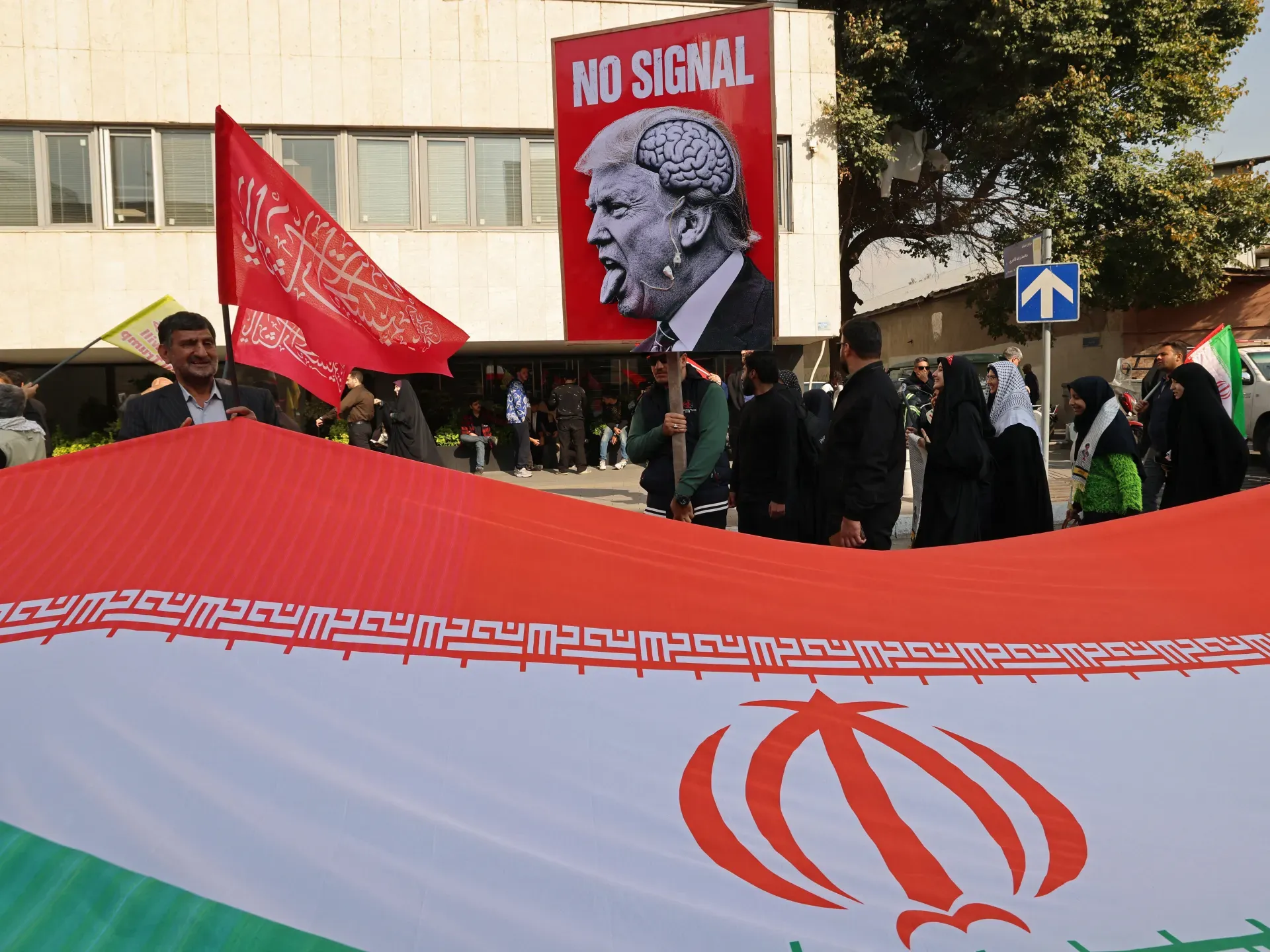
Trump Iran war justification: Why Republicans lost 2026 midterms
Trump Iran war justification remains the central focus for the Republican Party following significant losses in the 2026 US midterm elections. President Donald Trump defended the military action against Iran despite its role in driving up gasoline and diesel prices, which contributed to a voter backlash. While Trump maintains the conflict was necessary, the economic consequences and a lack of clear strategic messaging helped shift the electorate toward Democrats. This article examines Trump's defense of the war, the economic impact on American households, the specific reasons cited for Republican failures, and the upcoming legislative outlook.
November 8, 2026
6 min read
Source: ASHENVOW
Why does Trump maintain his Iran war justification despite electoral losses?
President Donald Trump has explicitly stated that the military intervention in Iran was a necessary action that he would repeat if given the chance. Speaking to The Wall Street Journal, Trump asserted, “I did the right thing. I would have done it again,” regarding the conflict. His stance suggests that the geopolitical objectives of the war outweigh the immediate political costs incurred during the midterm cycle.
The President’s defense is rooted in a belief that the strategic necessity of the operation is sound, even if the domestic reception has been negative. He argued that while the public might support the underlying goals, they are understandably reluctant to bear the short-term financial burdens associated with the conflict. This tension between long-term foreign policy and short-term economic stability appears to be a defining theme of his current administration's challenges.
The disconnect between policy and public sentiment
A significant gap exists between the administration's strategic vision and the daily economic realities faced by voters. While the President views the war as a justified move for national security, the immediate consequence has been a measurable rise in living costs. This disconnect makes it difficult for the administration to maintain popular support when the most visible impact of their foreign policy is felt at the gas pump.
How did the Iran conflict impact the US economy and voter behavior?
The economic fallout from the war in Iran, specifically regarding energy costs, acted as a primary driver for Republican setbacks in the 2026 midterms. According to President Trump in a televised interview with Fox News, the rise in gasoline prices—which he attributed to the situation in Iran—prevented voters from recognizing the strength of the broader economy. He noted, “We actually have the greatest economy, but because of the gasoline price, people don’t see it as much as they would have without it.”
The impact was not limited to gasoline; the conflict also drove up diesel costs, creating a ripple effect across various sectors of the American economy. This increase in energy expenses intensified widespread concerns regarding affordability among the electorate. When voters face rising costs for essential goods and services, their tendency to punish the incumbent party increases, regardless of the perceived necessity of the underlying geopolitical actions.
What factors contributed to the Republican midterm defeats?
Republican strategist James Davis identified both the war and a lack of cohesive messaging as critical elements in the party's decline. While the conflict certainly shifted the electorate toward the Democratic Party, Davis told Al Jazeera that the absence of a "clear articulation of a strategy" prevented voters from having confidence in the administration's direction. This suggests that the problem was not merely the war itself, but how the administration communicated its purpose and long-term plan.
Furthermore, Donald Trump attributed the losses to internal party failings and his own absence from the ballot. He argued that without his direct presence on the ticket, the party struggled to mobilize its base effectively. He told The New York Times, “I wasn’t on the ticket... and because I wasn’t on the ticket, we couldn’t get enough people out to vote.”
Internal friction and candidate performance
Trump also directed criticism toward the candidates themselves, many of whom had received his endorsement. He claimed that some of these individuals were flawed or actively worked against his interests, which made them unacceptable to the general electorate. This internal friction suggests a fractured Republican front during a critical election cycle.
The case of Texas Governor Greg Abbott
One of the most notable losses was that of Texas Governor Greg Abbott. Trump characterized Abbott’s defeat as a consequence of the Governor becoming a "Republican in name only" (RINO) during the final months of his term. Through a post on Truth Social, Trump suggested that if Abbott had remained aligned with the party's core identity, the outcome might have been different, though he did not provide specific details on the nature of Abbott's perceived shift.
What is the projected governing style for the next two years?
The incoming Democratic-controlled Congress is expected to face a highly combative relationship with the White House. Trump has signaled his intention to use his executive powers aggressively to block Democratic legislation, a sentiment captured by his social media post featuring a red cap with the word “veto” emblazoned on it. This visual cue serves as a warning of his determination to obstruct the opposition's agenda.
While Trump expressed a willingness to work with Democrats on certain issues, he emphasized that he would remain uncompromising on others. He suggested that while cooperation is possible on some matters, he would be "very tough" on the opposition if they were not. He specifically highlighted social issues, such as transgender rights, as areas where he believes no compromise will be possible, setting a tone of intense legislative friction for the upcoming term.
Frequently asked questions
Why did gasoline prices rise following the Iran war?
The conflict in Iran created regional instability that directly impacted energy markets. According to President Trump, the war was the primary cause of the spike in gasoline prices, which subsequently affected the broader American economy and voter sentiment regarding affordability and the cost of living.
Did the Republican Party lose because of the Iran war?
The war was a significant contributing factor, as it led to higher energy costs that frustrated voters. However, strategists like James Davis also point to a lack of clear strategic messaging and the inability to instill voter confidence in the administration's long-term plans.
Why did Donald Trump blame his own endorsed candidates?
Trump argued that some of the candidates he supported were flawed or had actively fought against him. He suggested that these candidates were not acceptable to the voters, which contributed to the overall Republican losses during the midterm elections.
How does Trump plan to handle the Democratic-controlled Congress?
Trump intends to use a heavy-handed approach, specifically utilizing his veto power to block legislation. He signaled this through social media, indicating that while he might work with Democrats on some issues, he will be extremely tough on them regarding others.
What was the impact of Trump not being on the midterm ballot?
Trump claimed that his absence from the ticket prevented the Republican Party from successfully mobilizing voters. He told The New York Times that without his direct involvement on the ballot, the party could not achieve the necessary turnout to secure victories.
Key takeaways
- Trump maintains the Iran war was a justified strategic necessity despite the political cost.
- Rising gasoline and diesel prices linked to the conflict negatively impacted voter sentiment.
- Republican strategist James Davis cited a lack of clear messaging as a key cause of defeat.
- Trump blamed his absence from the ballot and flawed endorsed candidates for the losses.
- The President signaled a combative legislative approach using veto powers against Democrats.
Conclusion
The 2026 midterm elections highlighted a profound tension between the Trump administration's foreign policy objectives and the economic concerns of the American electorate. While the President remains steadfast in his justification of the Iran war, the resulting energy price volatility played a decisive role in the Republican Party's setbacks. The combination of economic pressure, perceived strategic ambiguity, and internal party friction has created a challenging landscape for the GOP. As the administration moves into a period of divided government, the focus shifts from electoral losses to a high-stakes legislative battle defined by the President's vow to use the veto as a primary tool of resistance.
| Economic Factor | Impact of Iran Conflict | Voter Perception |
|---|---|---|
| Gasoline Prices | Direct increase due to regional instability | Primary driver of dissatisfaction |
| Diesel Costs | Increased costs across transport and logistics | Heightened concern over affordability |
| General Economy | Trump claims strength despite energy spikes | Obscured by rising cost of living |



