
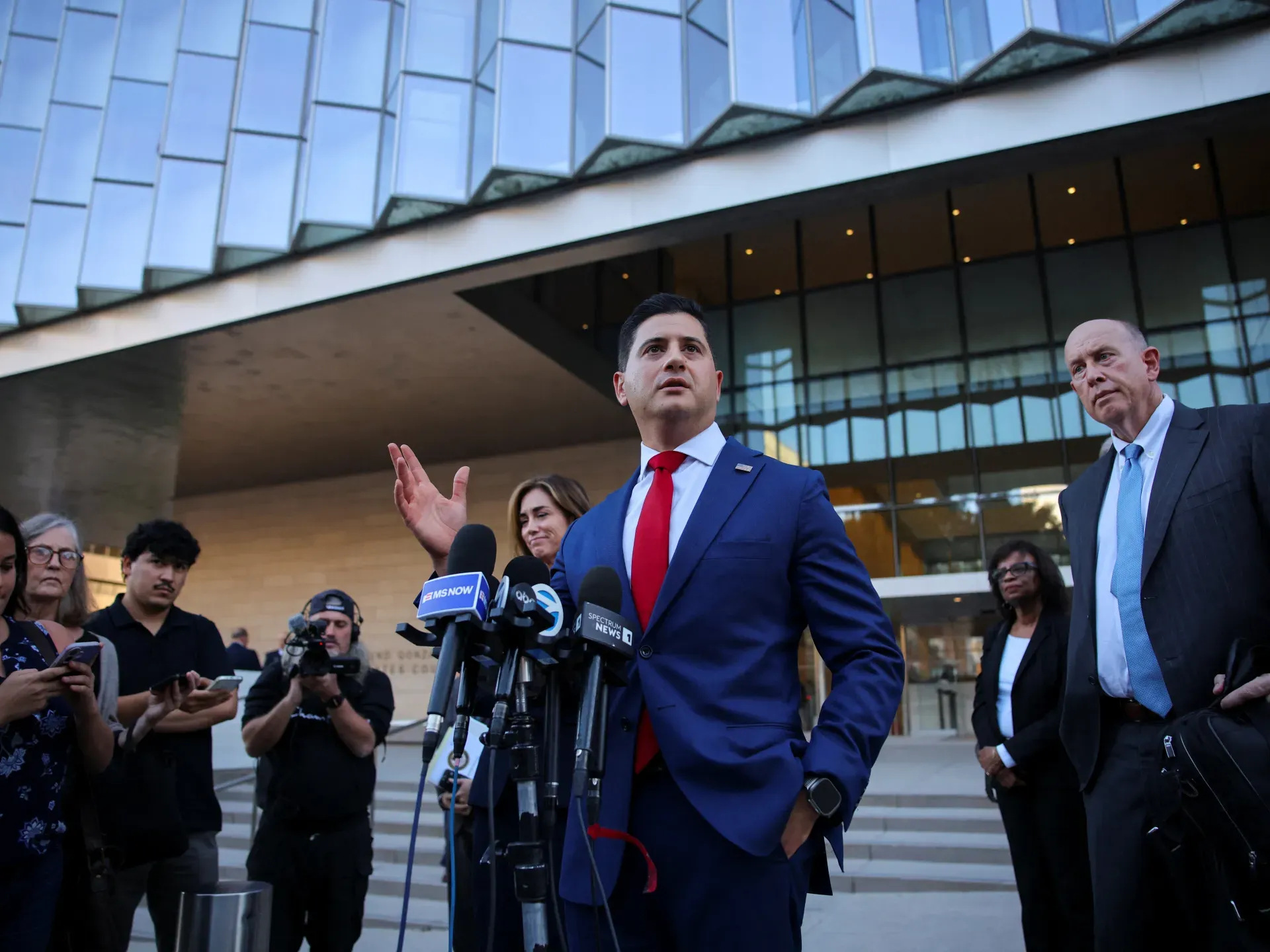
Trump California ballot petition rejected by 9th Circuit
The 9th Circuit Court of Appeals has rejected the Trump California ballot petition to set aside 20,000 votes for a second time. On October 30, 2026, the court ruled that the administration's attempt to invalidate mail-in ballots over non-citizen voting concerns would violate the US Constitution and risk widespread voter disenfranchisement. This decision comes just four days before the November 3 midterm elections, where California will elect 52 members of the House of Representatives. The ruling emphasizes the protection of the Elections Clause and the integrity of the tabulation process.
November 8, 2026
6 min read
Source: ASHENVOW
Why did the 9th Circuit reject the Trump administration's petition?
The 9th Circuit Court of Appeals rejected the petition because it determined that the administration's request would violate the US Constitution and potentially disenfranchise eligible voters. In its ruling issued on Friday, October 30, 2026, the court majority stated that the consequences of the request went beyond mere ballot segregation, potentially leading to the total cancellation of ballots and the removal of legitimate voters from official rolls.
The court specifically highlighted the importance of the Elections Clause, which grants states the authority to administer their own elections. The majority wrote, “We decline the United States’s invitation to contravene the Elections Clause by undermining the Constitution’s plain text.” Furthermore, the judges expressed "major concerns" that granting the request would jeopardize the entire tabulation process and harm the public interest by putting valid votes at risk.
The Judicial Divide
The decision was not unanimous, reflecting a split among the presiding judges. The majority was composed of Judge Mark Bennett, a Trump appointee, and Judge Gabriel Sanchez, an appointee of former President Joe Biden. However, a third judge, Patrick Bumatay—also a Trump appointee—issued a dissent, arguing that the administration's petition constituted a "reasonable request." This split underscores the intense legal and political tension surrounding the administration's claims.
What are the allegations regarding non-citizen voting in California?
The Trump administration claims that nearly 20,000 "likely non-citizens" were sent mail-in ballots for the California midterm elections. This legal challenge, initiated on October 15, seeks to prevent these specific ballots from being counted in the final tally. The administration asserts that these individuals are not eligible to participate in the federal election process scheduled for November 3.
However, these claims have faced significant scrutiny regarding their accuracy. California officials have maintained that the administration has failed to provide concrete evidence that the names on the provided list belong to foreign nationals. The administration's list was delivered to California on October 12, less than three weeks before the election, leaving little time for verification or response from state authorities.
The broader context of these allegations suggests a pattern of disputed data. Earlier this year, the administration claimed that as many as 278,000 foreign nationals were registered to vote across the United States. Despite these assertions, election fraud and non-citizen voting remain extremely rare occurrences in the American electoral system. Similar attempts to challenge voter lists in other states, such as Nevada and Washington, have also resulted in officials finding the provided documents to be largely inaccurate.
How have other states responded to similar voter list challenges?
Other states have encountered similar lists from the Trump administration and have largely found them to be erroneous. In Nevada, state authorities issued a formal statement in September 2026 addressing allegations of non-citizen voting. The Nevada statement explicitly noted that the administration had incorrectly identified several US citizens as non-citizens.
According to the Nevada state statement, the administration's list was so inaccurate that not a single name on it was correct. This precedent serves as a critical counterpoint to the administration's current legal strategy in California, suggesting that the data used to fuel these lawsuits may lack a factual foundation. This pattern of inaccuracy has become a central point of contention in the legal battles surrounding the 2026 midterms.
What is the political impact on the California midterm elections?
The legal battle arrives at a critical moment for California, a Democratic stronghold that is set to elect 52 members of the House of Representatives on November 3. The administration's focus on California is seen by many local officials as a targeted effort to undermine the state's political leadership and the legitimacy of its election results.
Governor Gavin Newsom has been a vocal critic of the administration's actions. Following the initial October 15 lawsuit, Newsom characterized the legal move as a "sad, desperate attempt" by the Trump administration to use the Department of Justice for political purposes. He argued that the goal was to suppress California voters and sow distrust in the democratic process.
The tension is further heightened by recent legal actions in the state. While the administration recently charged 28 foreign nationals with election-related infractions in California, reports from the Los Angeles Times have raised doubts about those specific cases. Some of the accused individuals claimed they had never registered to vote, and investigations suggested that some defendants may have shared names with eligible, legal voters, complicating the administration's narrative of widespread fraud.
What is the legal timeline of the California ballot dispute?
The legal dispute has moved through several stages of the court system in a very short timeframe. The process began when the administration sent its list of 20,000 names to California on October 12, followed by a formal lawsuit on October 15.
- October 12: The Trump administration delivers the list of "likely non-citizens" to California officials.
- October 15: The administration files a lawsuit to prevent the 20,000 ballots from being counted.
- Monday (Late October): The 9th Circuit Court rejects an initial emergency petition, stating the administration did not allow lower courts sufficient time to review the matter.
- Wednesday (Late October): A lower court issues a ruling against the Trump administration.
- Friday, October 30: The 9th Circuit Court of Appeals issues its final rejection of the administration's appeal.
This rapid sequence of events highlights the urgency and the high stakes of the litigation as the midterm elections approach in just a few days.
Frequently asked questions
Why is the 9th Circuit Court protecting the California ballots?
The court is protecting the ballots to uphold the US Constitution and the Elections Clause. The judges ruled that invalidating the ballots based on unproven claims would risk the disenfranchisement of legitimate voters and could potentially jeopardize the integrity of the entire election tabulation process.
Is non-citizen voting legal in California?
No, non-citizen voting in federal elections is illegal in all 50 US states, including California. However, the court's rejection of the Trump administration's petition was based on the lack of evidence and the constitutional risks of removing ballots without definitive proof of eligibility issues.
What does the Elections Clause state?
The Elections Clause in the US Constitution grants individual states the primary authority to administer their own elections. While Congress has the power to pass certain regulations regarding voting procedures, the clause serves as a protection against federal interference in state-run electoral processes.
How many House members are up for election in California?
California will elect 52 members of the House of Representatives during the November 3, 2026, midterm elections. As a major Democratic stronghold, the outcome of these elections is a significant component of the broader national political landscape.
Have there been similar challenges in other states?
Yes, states like Nevada and Washington have received similar lists of alleged non-citizen voters from the administration. In Nevada, state officials reported that the administration's list was entirely inaccurate, erroneously identifying legal citizens as non-citizens.
Key takeaways
- The 9th Circuit Court rejected the Trump administration's bid to set aside 20,000 California ballots.
- The court ruled the petition would violate the Constitution and risk disenfranchising eligible voters.
- California is set to elect 52 House of Representatives members on November 3, 2026.
- The administration's claims of widespread non-citizen voting have been disputed by multiple state officials.
The path toward the November 3 elections
The rejection by the 9th Circuit Court provides a definitive legal hurdle for the Trump administration's attempt to intervene in California's electoral process. With the midterm elections only days away, the focus shifts from legal challenges to the actual tabulation of votes. The court's emphasis on the Elections Clause and the protection of voter rights suggests that the legal framework will prioritize the administration of elections by the states. As California prepares to elect 52 House members, the resolution of this dispute aims to ensure that the results are determined by the voters themselves rather than through protracted legal intervention.



