
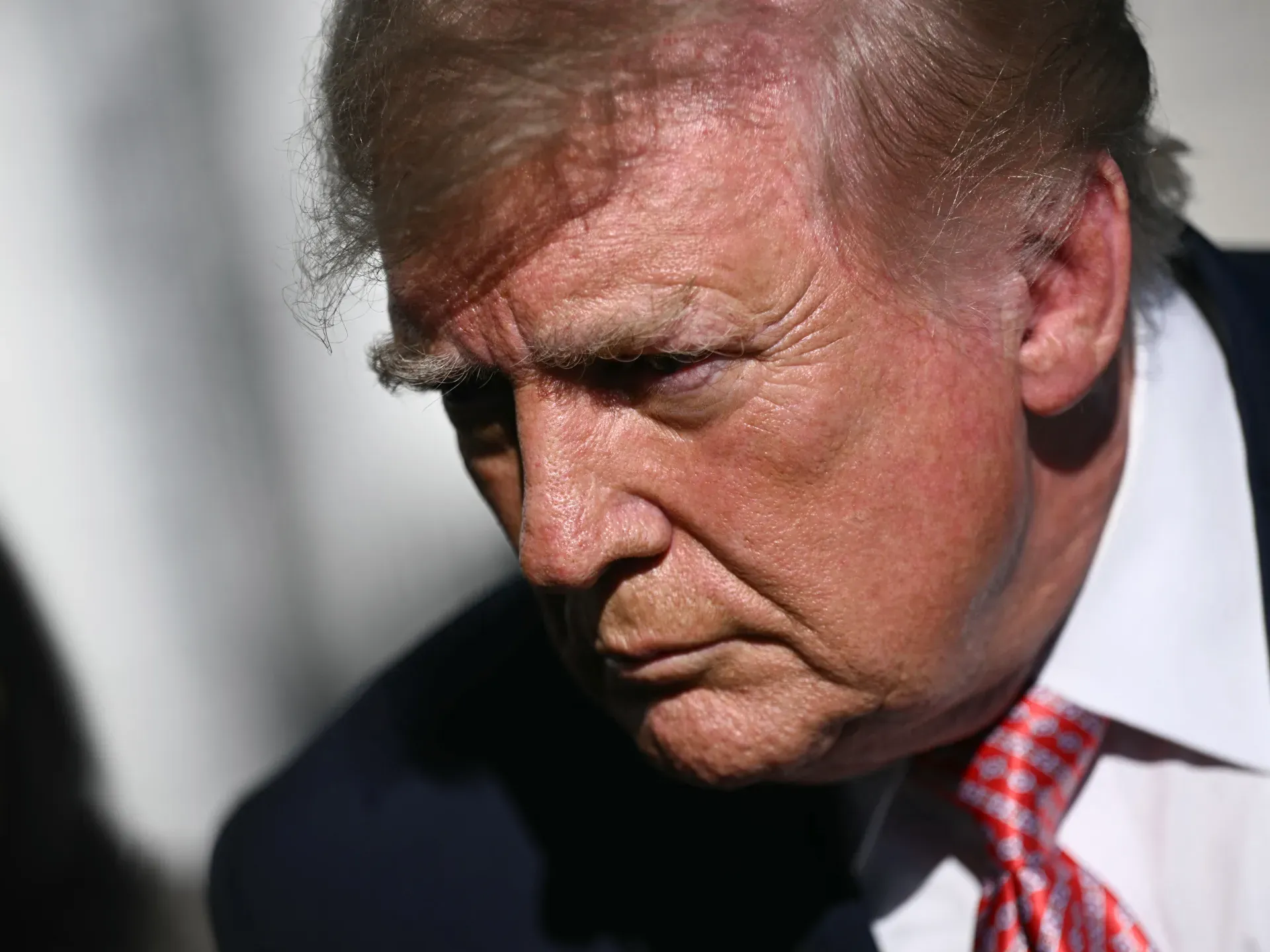
New polls show Trump approval rating hits record low of 31%
Trump approval rating levels have reached a historic nadir as the United States approaches critical midterm elections. According to a Reuters/Ipsos poll, President Donald Trump’s approval has fallen to 31 percent, marking a new low in his political tenure. This decline coincides with significant Republican struggles in generic congressional ballot surveys and mounting economic anxieties. Furthermore, the data suggests a growing disconnect between the administration and key voter demographics. This analysis examines the polling data, the impact of geopolitical conflict on domestic costs, and the broader implications for the upcoming November elections.
October 27, 2026
3 min read
Source: ASHENVOW
Record lows in presidential and party approval
Donald Trump’s approval rating has hit a new low of 31 percent, according to a recent Reuters/Ipsos poll. This figure represents a significant decline in public support for the President. The polling data suggests that the challenges facing the administration extend beyond the individual leader to the broader Republican Party.
In generic congressional ballot surveys, the Republican Party is facing a substantial disadvantage. When respondents were asked to choose between a generic, unnamed Democrat and a Republican, the Democrats held a 12-point lead. This gap indicates a significant shift in voter preference as the country prepares for the midterm elections scheduled for November 3.
Other recent polling has mirrored these downward trends. A Washington Post/ABC/Ipsos poll released on Monday also documented a record-low approval rating for Trump, though it placed the figure at 33 percent. These varying metrics consistently point toward a period of intense political vulnerability for the current administration and its party members.
Economic pressures and the impact of regional conflict
Geopolitical instability has emerged as a primary driver for the declining approval numbers. The launch of the US-Israel war on Iran on February 28 has had direct consequences for the American domestic economy. This conflict has contributed to rising costs for essential commodities, specifically petrol and diesel.
The surge in energy prices has created a ripple effect throughout the broader economy. According to the Reuters/Ipsos data, the rising cost of fuel is a central factor in the growing disapproval of the President. This economic strain is compounded by general inflationary concerns that have surfaced ahead of the midterm elections.
The financial burden on households is becoming increasingly visible in public sentiment. A Washington Post/ABC/Ipsos poll found that 7 out of 10 Americans believe that petrol or gasoline is becoming unaffordable. This sentiment reflects a growing frustration with the cost of living, which is frequently cited as a decisive factor for voters in upcoming elections.
The link between energy costs and voter sentiment
As fuel prices fluctuate due to international tensions, the direct impact on the consumer's wallet is translating into political discontent. The difficulty in managing energy costs remains a critical hurdle for the administration's ability to maintain voter confidence.
Voter sentiment ahead of the November midterms
Public sentiment regarding the direction of the United States is increasingly negative. An NBC poll released on Sunday revealed that 71 percent of Americans believe the country is currently on the "wrong track." This widespread dissatisfaction suggests a desire for political change among a large segment of the electorate.
The upcoming midterm elections on November 3 could fundamentally alter the balance of power in Washington. These elections are expected to determine which party maintains control of both the House and the Senate. Current polling suggests the Democrats may hold a significant advantage in this contest.
The NBC poll further indicated that 55 percent of respondents would vote for the Democratic Party if an election were held on the day of the survey. This suggests that the momentum is currently favoring the opposition, driven by economic frustration and a general desire for a change in leadership. The outcome of the midterms will likely hinge on how effectively each party addresses the concerns of voters regarding inflation and international stability.
Summary of polling data and political outlook
The convergence of low approval ratings, economic instability, and geopolitical tension creates a difficult landscape for the Republican Party. With the midterms approaching, the administration faces the challenge of reversing a trend of declining support. The data indicates that voters are heavily prioritizing economic stability and the affordability of essential goods like fuel when considering their political choices.



