
Tigray conflict: Renewed fighting and economic instability in 2026
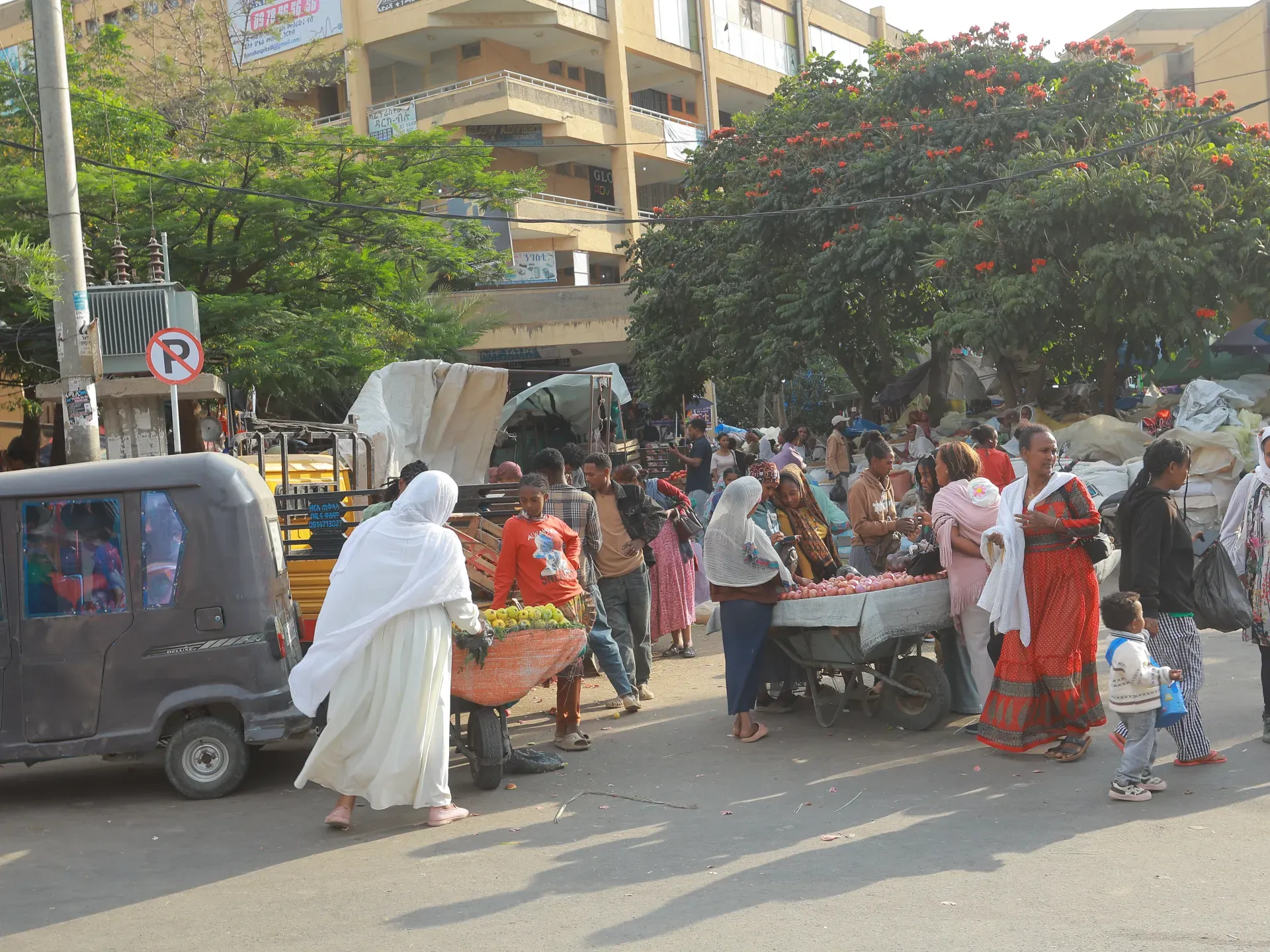
The Tigray conflict has entered a precarious new phase as residents in Mekelle attempt to resume daily life following the takeover of the regional capital by Ethiopian federal forces on October 4, 2026. While shops and banks are reopening, the region faces a severe funding crisis, with an 8.5-billion-birr shortfall reported in April. Tensions are escalating near the Eritrean border, raising the risk of a broader regional war. This article examines the economic hardship in Mekelle, the impact on education, and the growing geopolitical friction between Ethiopia and Eritrea.
October 27, 2026
6 min read
Source: ASHENVOW
How is the Tigray conflict affecting daily life in Mekelle?
Daily life in Mekelle is characterized by a fragile attempt at normalcy shadowed by deep economic anxiety. Although commercial activities and financial services are gradually returning to the streets, the fundamental drivers of stability—reliable income and physical security—remain absent for many households. The reopening of businesses provides only a superficial sense of recovery when the population lacks the purchasing power to sustain them.
The economic situation is exacerbated by a massive failure in the regional fiscal system. According to reports from the regional finance bureau in April, an 8.5-billion-birr (approximately $52,000) funding shortfall has paralyzed both development projects and essential salary payments. This lack of liquidity has created a ripple effect throughout the local economy, making it nearly impossible for families to meet basic needs like food, rent, and schooling.
The impact of delayed civil servant salaries
The most immediate pressure on households comes from the unpaid wages of the public sector. In March, the Tigray interim administration indicated that it was unable to meet the monthly salary requirements for roughly 137,000 civil servants due to a lack of expected federal budget transfers. For public employees, the reopening of the city does not translate to relief; rather, it highlights the gap between available services and the ability to pay for them. Residents have noted that without these regular inflows of cash, the cost of daily living remains an insurmountable barrier to true stability.
What is the impact of the Tigray conflict on students and education?
Students in the region are facing significant psychological and academic setbacks as the threat of renewed fighting disrupts the educational calendar. Having already lost critical years of study during the 2020–2022 war, many young people fear that the current instability will result in further permanent delays to their development and future employment prospects.
In towns like Adigrat, students have expressed profound worry regarding the continuity of their classes. The uncertainty creates a climate of fear where the pursuit of education feels secondary to the necessity of survival. This academic instability has triggered a movement of students seeking alternatives to the local school system.
University transfers and the exodus to Addis Ababa
The Ministry of Education has had to intervene by facilitating temporary placements for students enrolled in Tigrayan institutions at universities in other parts of Ethiopia. This program aims to prevent a total loss of academic progress for those caught in the conflict zone. Data shows that by September 17–18, more than 5,000 students had applied for these transfers. For many, such as those from Axum University, moving to Addis Ababa is not a choice made out of preference but a desperate necessity to ensure they can complete their degrees and avoid further wasted years.
Why are border communities fearing a wider regional war?
The Tigray conflict is increasingly viewed through a geopolitical lens as military movements near the Eritrean border suggest the potential for a direct confrontation between Ethiopia and Eritrea. Conflicting reports regarding troop deployments in border towns have created a volatile atmosphere, with residents in these areas living under the constant threat of being caught in a larger interstate war.
Reports from various monitoring organizations and news agencies have painted a complex and often contradictory picture of the border situation. While some accounts suggest Eritrean forces have moved into Tigrayan towns, others highlight the movement of Ethiopian government forces into contested areas. This lack of clarity makes it difficult to assess who controls specific territories, such as Zalambessa, and increases the risk of accidental escalation.
The deteriorating relationship between Ethiopia and Eritrea
The current friction is rooted in a sharp decline in diplomatic relations between Addis Ababa and Asmara. Although the two nations were allies during the 2020–2022 war, their interests have since diverged sharply. On October 8, Ethiopian Foreign Minister Gedion Timothewos accused Eritrea of deploying troops up to 60km into Ethiopian territory, an allegation he brought to the attention of the United Nations Security Council. Eritrea has responded by denying any invasion and characterizing the Ethiopian claims as a declaration of war. This cycle of accusations suggests that the localized fighting in Tigray could serve as a catalyst for a much larger conflict involving both sovereign states.
What is the current political administration in Tigray?
Following the federal takeover of major urban centers, Prime Minister Abiy Ahmed announced the establishment of a six-month caretaker administration for the Tigray region on October 16. This interim body is tasked with several critical mandates: restoring essential public services, facilitating the return of displaced populations, and laying the groundwork for future regional elections.
The implementation of this administration faces significant hurdles. The Tigray People’s Liberation Front (TPLF) has voiced opposition to the federal advance, creating a political vacuum where the effectiveness of the caretaker government remains unproven. The success of this administration will likely be measured by its ability to provide tangible security and financial stability to a population that has endured years of systemic trauma.
Frequently asked questions
How many civil servants are affected by the funding crisis in Tigray?
Approximately 137,000 civil servants are currently affected by the inability of the interim administration to cover monthly salaries. This crisis stems from a failure of expected federal budget transfers to reach the region, leaving public employees without the means to pay for basic necessities.
Is the education system in Tigray currently functional?
The education system is facing severe disruption and uncertainty. While some institutions remain, many students are seeking transfers to universities in Addis Ababa or other parts of Ethiopia to avoid losing more years of study due to the ongoing conflict and security concerns.
What is the status of the border between Ethiopia and Eritrea?
The border situation is highly volatile and characterized by conflicting reports. While Ethiopia accuses Eritrea of invading its territory, Eritrea denies these claims. Military movements in areas like Zalambessa have heightened fears of a direct interstate war between the two neighbors.
What is the purpose of the new caretaker administration in Tigray?
The caretaker administration, announced by Prime Minister Abiy Ahmed, is intended to last six months. Its primary goals are to restore public services, assist displaced persons in returning home, and prepare the region for future democratic elections.
Why is there an 8.5-billion-birr shortfall in Tigray?
The 8.5-billion-birr shortfall, reported by the regional finance bureau in April, has crippled the region's ability to pay salaries and fund development projects. This deficit is a primary driver of the current economic hardship facing the Tigrayan population.
Key takeaways
- Mekelle's reopening is hampered by an 8.5-billion-birr funding shortfall affecting salaries.
- Over 5,000 students have applied for university transfers to escape educational disruptions.
- Tensions between Ethiopia and Eritrea have escalated following accusations of territorial incursions.
- A six-month caretaker administration has been established to restore services in Tigray.
Conclusion
The resurgence of conflict in Tigray has fundamentally undermined the region's fragile recovery, transforming a period of cautious reopening into one of profound uncertainty. While the physical infrastructure of cities like Mekelle may show signs of life, the underlying economic and security foundations remain broken. The combination of massive salary shortfalls, disrupted education, and the looming threat of a wider war with Eritrea creates a complex humanitarian and political crisis. The effectiveness of the newly announced caretaker administration will be critical in determining whether Tigray can move toward stability or if it will be drawn into a much larger regional conflagration.



