
Texas election certification lawsuit: Group seeks hand counts
The Texas election certification lawsuit filed by the Potter County Republican Party seeks to halt the validation of midterm results until a statewide manual tally is completed. Filed on Tuesday, October 28, 2026, the suit alleges that artificial intelligence and foreign adversaries could compromise electronic voting systems. This legal action arrives as polls indicate a narrow lead for Democrat James Talarico over Republican Ken Paxton in the US Senate race. The litigation centers on concerns regarding hardware components manufactured in China and the potential for undetected AI-driven hacks. This article examines the legal arguments and the broader context of US election security.
November 8, 2026
6 min read
Source: ASHENVOW
What is the basis of the Texas election certification lawsuit?
The Potter County Republican Party and its chairman, Daniel Rogers, have filed a federal lawsuit requesting a full hand count of every ballot across all Texas precincts before any midterm election results are officially certified. The core of the legal argument rests on the potential for election interference by "malicious actors" using advanced artificial intelligence (AI) or foreign entities to manipulate electronic results.
While the plaintiffs do not claim that any specific voting machine in Potter County or elsewhere in Texas has been successfully breached, they argue that the mere possibility of a successful attack necessitates a complete manual verification. They contend that existing safeguards are insufficient against modern technological threats. The lawsuit highlights a shift in election security concerns, moving from traditional physical tampering to the threat of digital infiltration that could remain undetected by current auditing protocols.
The distinction between current audits and requested hand counts
Texas state law currently mandates hand-count audits for elections utilizing electronic tabulators. However, the plaintiffs argue that these standard audits are inadequate for the current technological landscape. According to the legal filing, a paper record only serves as a reliable verification mechanism if election officials perform a comprehensive manual count of every single paper ballot. The lawsuit suggests that without this total verification, the digital results cannot be fully trusted in an era where AI can potentially mask its tracks.
Why are voting machine components being questioned?
A central pillar of the lawsuit involves the origin of hardware components used in voting machines, specifically alleging that parts manufactured in China could serve as vulnerabilities. The plaintiffs argue that if components are compromised during the manufacturing process, they could act as entry points for hackers to execute synchronized attacks across multiple jurisdictions and machines.
This concern is framed within a broader geopolitical context. The lawsuit explicitly names "adversaries" such as China, Iran, and Russia as entities capable of accessing and manipulating US election systems. By focusing on the supply chain, the legal challenge seeks to cast doubt on the integrity of the electronic infrastructure used to tally votes. This argument aligns with previous political rhetoric regarding foreign influence in US democratic processes, though the lawsuit does not provide specific evidence of a breach occurring in recent Texas cycles.
How does the US Senate race impact the legal timing?
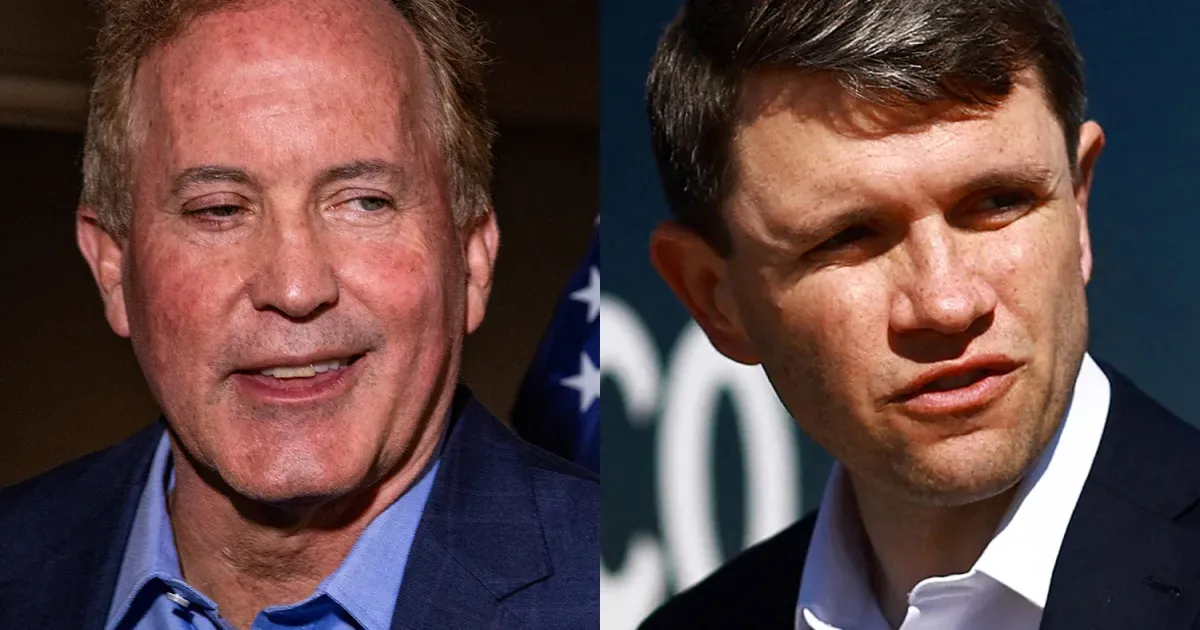
The timing of this legal challenge is highly significant due to the competitive nature of the Texas US Senate race between Republican Ken Paxton and Democrat James Talarico. Current polling indicates that Talarico holds a narrow lead over Paxton, a result that could determine which party maintains control of the US Senate following the November 3 elections.
The stakes of the midterm elections are elevated by the potential for a razor-thin margin in the Senate chamber. Consequently, any legal attempt to delay or alter the certification process carries profound implications for national political power. While the Potter County Republican Party has not provided immediate comments to the press, the litigation creates a layer of legal uncertainty just days before voters head to the polls. The intersection of high-stakes political competition and challenges to the certification process underscores the volatility of the 2026 midterm cycle.
What are the broader trends in US election litigation?
The lawsuit in Texas is not an isolated incident, as it mirrors recent legal actions taken in other states regarding election integrity and certification. For example, the US Department of Justice recently sought to block an election certification in Alaska, alleging that a "spoiler candidate" with a name identical to a Republican Senator was running to intentionally mislead the electorate.
Furthermore, the discourse surrounding election security has been heavily influenced by political figures. US President Donald Trump has frequently raised suspicions about election integrity, including claims regarding Chinese interference in the 2020 presidential election. Although these claims have lacked corroborating evidence of impact on the final results, they have contributed to a political environment where legal challenges to certification processes are increasingly common. The Texas case represents a specific evolution of this trend, moving from claims of voter fraud to claims of technological and AI-driven interference.
The role of the Texas Secretary of State
The Texas Secretary of State's office, which is responsible for administering elections within the state, has been made aware of the legal proceedings. Alicia Pierce, a spokeswoman for the office, stated that the department does not plan to comment on the lawsuit at this time. This cautious stance from state officials reflects the sensitive nature of litigation that seeks to fundamentally alter established election procedures and certification timelines.
Frequently asked questions
What is the specific demand of the Potter County Republican Party?
The party is asking a federal judge to mandate a full hand count of all paper ballots in every Texas precinct. They believe this is the only way to ensure that electronic results have not been manipulated by AI or foreign hackers before the election is officially certified.
Does the lawsuit provide evidence of actual hacking in Texas?
No, the legal complaint does not specify that any voting machines in Texas have been compromised. The plaintiffs acknowledged in their filing that no previous elections in Potter County have been altered by third parties, focusing instead on the theoretical risk posed by new AI technologies.
Why are Chinese-made components mentioned in the lawsuit?
The plaintiffs allege that components manufactured in China could contain vulnerabilities that allow hackers to gain entry into voting machines. They argue that these hardware-level risks could enable synchronized, undetected attacks across different jurisdictions during the election process.
What is the current status of the Texas Senate race?
The race is between Republican Ken Paxton and Democrat James Talarico. According to recent polls, Talarico is narrowly leading Paxton. The outcome of this specific race is considered pivotal for determining which political party will control the US Senate after the November 3 elections.
How does Texas law currently handle election audits?
Texas law already requires hand-count audits in elections where electronic tabulators are used. However, the plaintiffs argue these existing laws are insufficient because they do not require a complete manual count of every single paper record to verify the electronic totals.
Key takeaways
- The Potter County Republican Party filed a lawsuit seeking a statewide manual hand count of all Texas midterm ballots.
- Plaintiffs allege that AI and foreign adversaries like China, Iran, and Russia pose risks to electronic voting systems.
- The legal challenge focuses on the potential for hardware vulnerabilities in components manufactured in China.
- The lawsuit arrives during a highly contested US Senate race between Ken Paxton and James Talarico.
- Current Texas law requires audits, but plaintiffs argue a full manual count is necessary for true verification.
Conclusion
The Texas election certification lawsuit represents a significant legal attempt to redefine election verification standards in the face of emerging technological threats. By pivoting from claims of manual fraud to the sophisticated risks of AI and supply-chain vulnerabilities, the Potter County Republican Party is challenging the fundamental reliance on electronic tabulation. As the US Senate race remains highly competitive, the outcome of this litigation could have lasting impacts on how elections are audited and certified across the United States. The tension between existing state audit laws and the demand for total manual verification highlights a growing debate over the intersection of technology and democratic integrity.



