
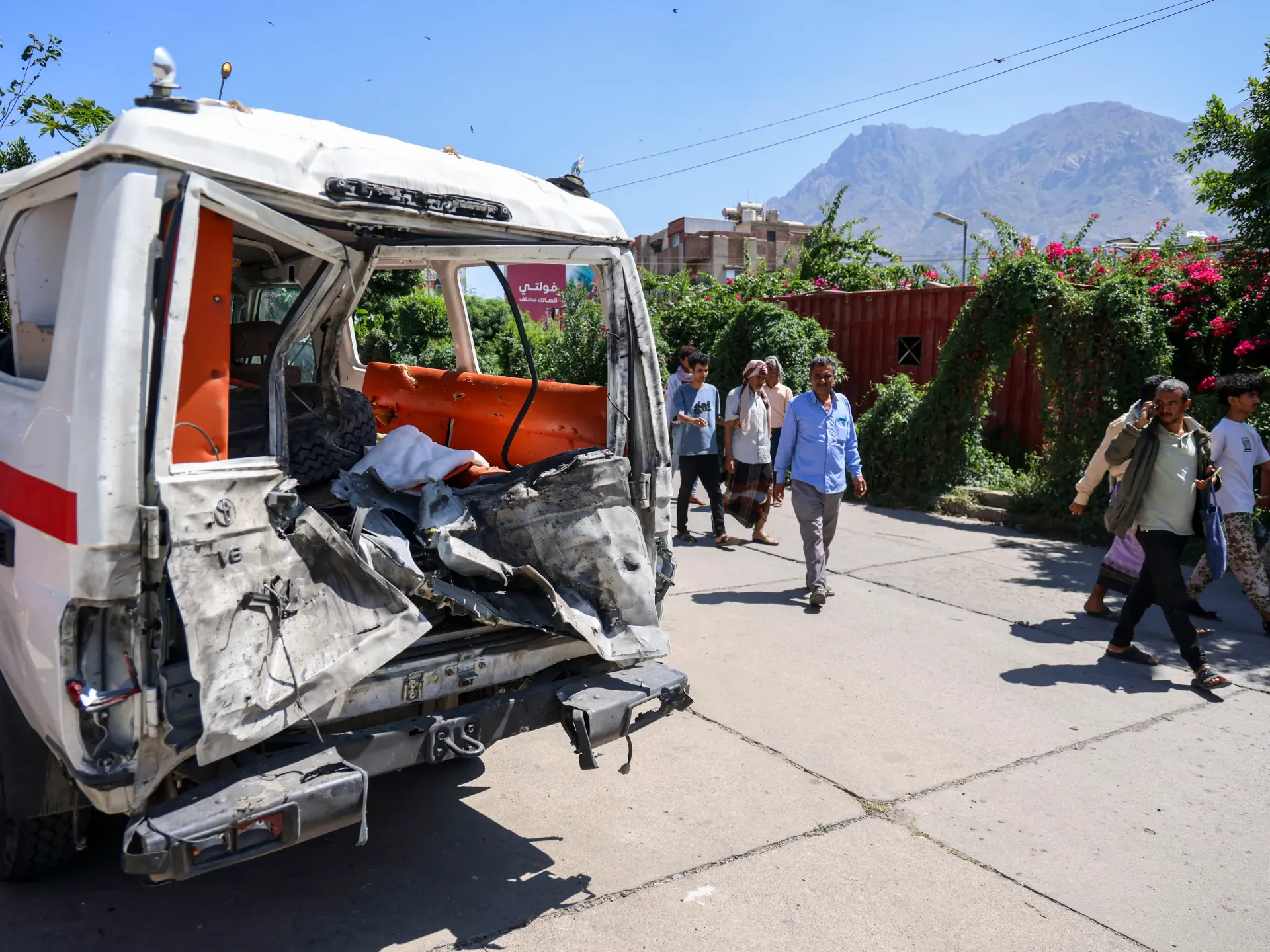
Taiz humanitarian crisis: UN warns of deepening siege in Yemen
The Taiz humanitarian crisis has reached a critical threshold as a Houthi blockade encircles the city, cutting off more than 800,000 people from essential aid. Since early October 2026, the siege has severed the primary road linking Taiz to Aden, the interim capital of Yemen's internationally recognised government. According to the UN, three-quarters of the affected population rely on humanitarian assistance, including 200,000 women and children. This article examines the escalating shortages of food, water, and medicine, the impact of intensified fighting, and the international response to the deepening disaster.
October 27, 2026
5 min read
Source: ASHENVOW
How has the Houthi siege impacted aid access in Taiz?
The Houthi encirclement of Taiz city, which began in early October 2026, has effectively halted the delivery of vital supplies to a population of hundreds of thousands. For over 20 days, the primary transit route to Aden has remained closed, preventing the movement of food, fuel, and medical goods into the region.
Jens Laerke, spokesperson for the UN's humanitarian arm (OCHA), stated during a Geneva press conference on October 23, 2026, that the intensity of the fighting has made it impossible for humanitarian workers to enter the city and for civilians to escape the combat zones. This isolation has created a vacuum in basic services, forcing residents to rely on dwindling local reserves.
The economic impact on basic necessities has been immediate and severe. Most residents in Taiz depend on water transported by trucks, but the cost of this service has tripled due to the blockade. Furthermore, the widespread unavailability of cooking gas has threatened the functionality of community kitchens, which serve as a lifeline for many families struggling with food insecurity.
What is the current scale of the malnutrition and health crisis?
The Taiz humanitarian crisis is characterized by a rapid decline in nutritional health and medical capacity. UN screenings have identified a significant number of vulnerable individuals suffering from acute malnutrition within the province.
According to UN data, more than 52,000 children in Taiz are currently experiencing acute malnutrition. Of these, approximately 11,500 cases have been classified as severe acute malnutrition, a condition that requires urgent therapeutic intervention to prevent mortality.
Critical shortages in medical facilities
The healthcare infrastructure in Taiz is on the verge of collapse due to a lack of essential resources. The World Health Organization (WHO) has reported that 42 medical facilities in the province are currently facing "acute" deficits. These shortages include:
- Essential medicines and medical supplies
- Oxygen for respiratory support
- Fuel required to run hospital generators
- Basic surgical and emergency equipment
Without a consistent supply of fuel and oxygen, even the most basic life-saving procedures become impossible, compounding the risks for those already weakened by malnutrition.
What is the impact of recent fighting on the civilian population?
Recent escalations in military activity have intensified the displacement of civilians and increased the lethality of the conflict in the Taiz province. Clashes have been reported in several key areas, including the Jabal Han highlands and the Dhubab and al-Masrakh districts.
The military situation remains volatile. Colonel Majid al-Nuzaili, spokesperson for the forces of the internationally recognised government, claimed on October 23, 2026, that government troops had conducted raids and counterattacks that resulted in the neutralization of 620 Houthi fighters and the destruction of 190 vehicles over a 24-hour period. However, these specific combat figures have not been independently verified.
The broader conflict has led to massive population movements. According to the UN, the escalation has displaced nearly 260,000 people, with the majority located in the Taiz and Lahij provinces. Additionally, the violence has forced at least 3,800 people to flee to neighboring Djibouti. The human cost of the recent surge in fighting is stark, with at least 1,574 people killed and 6,939 wounded in the conflict since August 2026.
Why has the conflict in Yemen escalated recently?
The current crisis is a direct consequence of the breakdown of previous stability mechanisms and the resurgence of active hostilities between the Houthis and the internationally recognised government.
While a UN-brokered truce provided a period of relative calm in 2022, the agreement collapsed in July 2026 following the Houthi announcement of a blockade on Saudi ports. This breakdown triggered a new wave of escalation across the country. The conflict in Yemen has been ongoing since the Houthis seized Sanaa and other provinces in 2014, leading to the intervention of a Saudi-led coalition in 2015 to support the government.
The current siege of Taiz represents one of the most severe humanitarian bottlenecks in the ongoing struggle for control over Yemen's territory and resources. As the Houthis maintain their positions, the gap between the needs of the population and the available aid continues to widen.
How is the international community responding to the crisis?
International donors are attempting to increase funding to address the widening gap in humanitarian needs, though the scale of the Taiz humanitarian crisis remains daunting.
The European Commission announced on October 23, 2026, that it would release an additional 22.5 million euros (approximately $25.2 million) in aid for Yemen. This new allocation is intended to supplement the 87.5 million dollars ($97.9 million) that had been previously designated for the year 2026.
Despite these funds, humanitarian agencies face significant logistical hurdles. Azfar Deen, a WFP regional communications officer for eastern and Southern Africa, emphasized that the organization is desperately attempting to regain access to Taiz while continuing to support broader operations across the rest of Yemen. The primary challenge remains the physical security and the political will required to reopen supply routes to the besieged city.
FAQ: Taiz humanitarian crisis
How many people are affected by the Taiz siege?
More than 800,000 people in Taiz are currently cut off from humanitarian aid. According to the UN World Food Programme, approximately 75% of these individuals depend on international assistance for their survival, including 200,000 women and children.
What are the main shortages in Taiz?
The city is facing severe shortages of food, fuel, and water. The cost of water delivered by trucks has tripled, while cooking gas is largely unavailable. Hospitals are also reporting acute deficits in oxygen, medicine, and fuel for generators.
How many children are suffering from malnutrition?
UN screenings have identified over 52,000 children in Taiz suffering from acute malnutrition. Within this group, approximately 11,500 children are experiencing severe acute malnutrition, necessitating urgent medical and nutritional intervention.
What caused the recent escalation in Yemen?
The escalation followed the collapse of the 2022 UN-brokered truce in July 2026. The situation worsened after the Houthis announced a blockade on Saudi ports, leading to intensified fighting and mass displacement across several provinces.
How much aid has been pledged by the European Commission?
The European Commission has pledged an additional 22.5 million euros ($25.2 million) to support Yemen. This amount is being added to the 87.5 million dollars ($97.9 million) that was previously allocated for humanitarian assistance in 2026.
Key takeaways
- Over 800,000 people in Taiz are currently blocked from receiving essential humanitarian aid.
- More than 52,000 children in the region are suffering from acute malnutrition.
- Forty-two medical facilities in Taiz are facing acute shortages of medicine and oxygen.
- The Houthi siege has caused the cost of truck-delivered water to triple for residents.
- The European Commission has released an additional 22.5 million euros in aid for Yemen.
Conclusion
The situation in Taiz has evolved into a critical humanitarian emergency where the window for effective intervention is rapidly closing. The combination of a strict Houthi blockade, intensified military clashes, and a collapsing healthcare system has left hundreds of thousands of civilians, including a vast number of children, in a state of extreme vulnerability. While international aid injections from entities like the European Commission provide some relief, they cannot substitute for the urgent need to restore safe, unhindered access to the city. Without the reopening of supply routes, the malnutrition and medical crises in Taiz are likely to escalate into a mass-casualty event.



