
Seth Meyers 2026 midterms recap: The election weekend
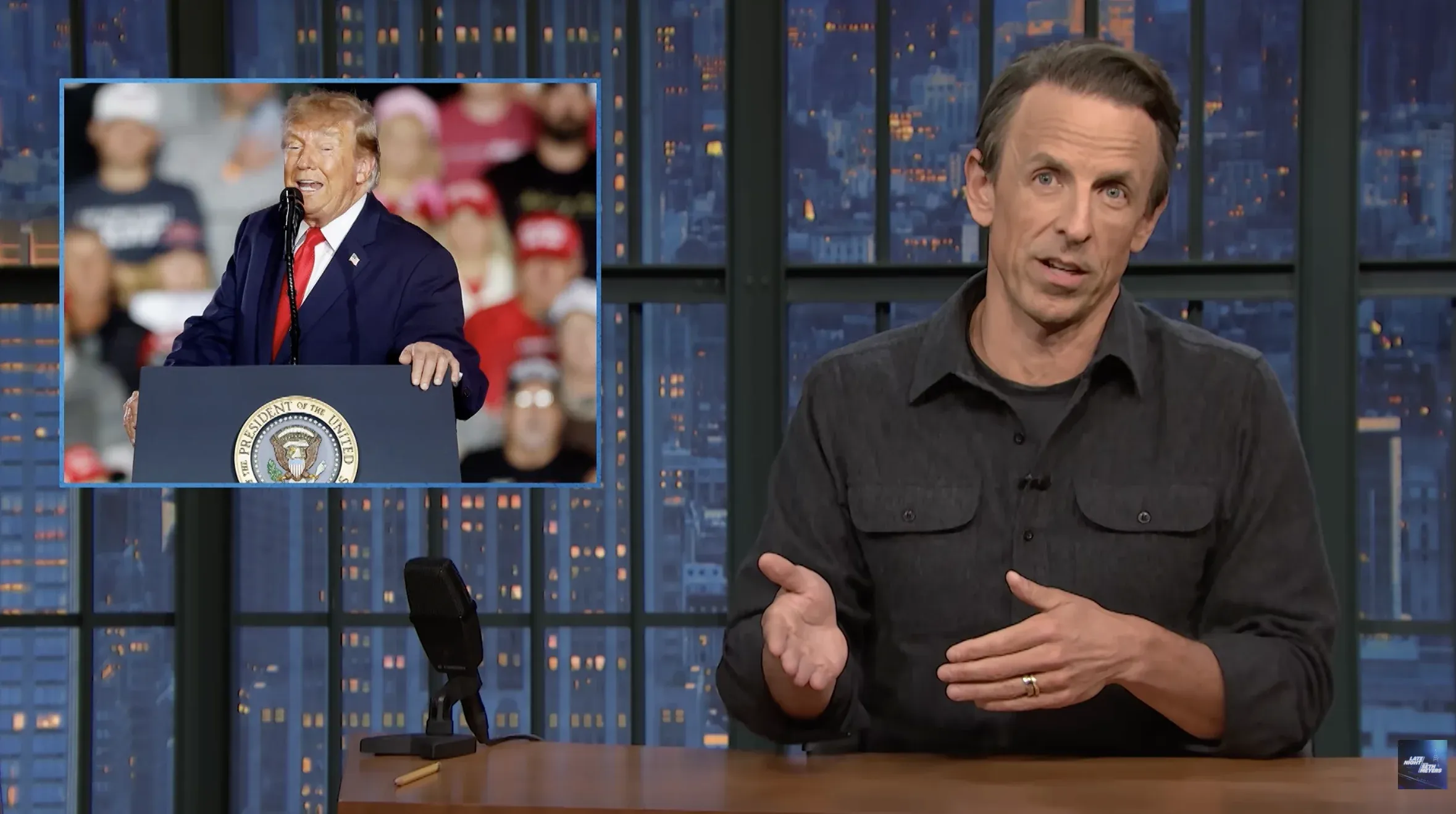
Seth Meyers 2026 midterms recap highlights the chaotic final stretch of the election cycle. The Late Night host used his signature segment to dissect the most bizarre political maneuvers and media moments occurring just before Election Day. From confusing ballot names in Alaska to high-tension television interviews, Meyers provided a biting analysis of the weekend's developments. This article examines the key stories covered in his recent deep-dive segment, exploring how these specific events shaped the national conversation and set the stage for the final voting results.
November 8, 2026
3 min read
Source: ASHENVOW
The Dan Sullivan ballot confusion in Alaska
The most peculiar development in the final campaign weekend involved a naming coincidence in the Alaska Senate race. During his "A Closer Look" segment, Seth Meyers highlighted a report from the New York Times regarding a complex tactical maneuver. According to the investigation, political operatives associated with Democratic Senate candidate Mary Peltola allegedly recruited a second individual named Dan J. Sullivan to run as a Republican.
The goal of this recruitment, as described by Meyers, was to create confusion on the ballot to siphon votes away from the incumbent Republican, Dan S. Sullivan. Meyers reacted to the news with a mix of disbelief and dark humor. He noted that while the tactic was "dirty," it represented a level of political maneuvering that even he found startling. He contrasted this specific instance of ballot confusion with the more severe systemic issues seen in previous election cycles, yet acknowledged the strategic complexity of the Alaska situation.
Tactical ballot maneuvering
The presence of two candidates with nearly identical names presents a unique challenge for voters and election officials alike. Meyers suggested that such tactics, while legally distinct from more violent or systemic election interference, still represent a significant shift in the aggressive nature of modern campaigning.
Trump's erratic campaign stops in the Midwest
Donald Trump's final weekend of campaigning was marked by sudden changes in schedule that drew significant attention. Meyers analyzed the volatility of the campaign trail, specifically noting instances where the former president canceled and subsequently reinstated campaign stops in Kansas and Iowa. These shifts added to the sense of unpredictability surrounding the 2026 midterm cycle.
Meyers used these scheduling changes to illustrate the chaotic atmosphere of the final push for votes. The rapid reversal of these appearances served as a focal point for his critique of the campaign's management and the general instability of the political landscape leading into Election Day. This volatility is a recurring theme in the analysis of the current political climate, where campaign momentum can shift within hours.
Anderson Cooper and the Haley Stevens interview
Television media also played a central role in the weekend's drama, particularly a viral CNN interview involving Anderson Cooper and Democratic Representative Haley Stevens. Meyers described the exchange as a "Game of Thrones-style burn," noting the intense discomfort displayed during the segment. The tension stemmed largely from Stevens' controversial endorsement of Republican Senate candidate Mike Rogers.
The interview was characterized by long, awkward silences that Meyers compared to a horror movie. He remarked on the palpable tension, suggesting that the visual and auditory cues from Stevens—such as audible gulps—were more prominent than her verbal responses. This media moment became a significant talking point, highlighting the internal friction within party lines and the difficulty of navigating controversial endorsements on live television.
Late night reactions to political volatility
Meyers' commentary serves as a cultural barometer for the frustrations and absurdities of the 2026 midterm elections. By blending political reporting with satirical analysis, he highlights how political strategy has evolved into a high-stakes game of psychological and tactical maneuvers. Whether it is the confusion of names on a ballot or the awkwardness of a televised endorsement, the underlying theme remains a heightened sense of political unpredictability.



