
Rwandan American genocide perjury conviction: Eric Nshimiye verdict
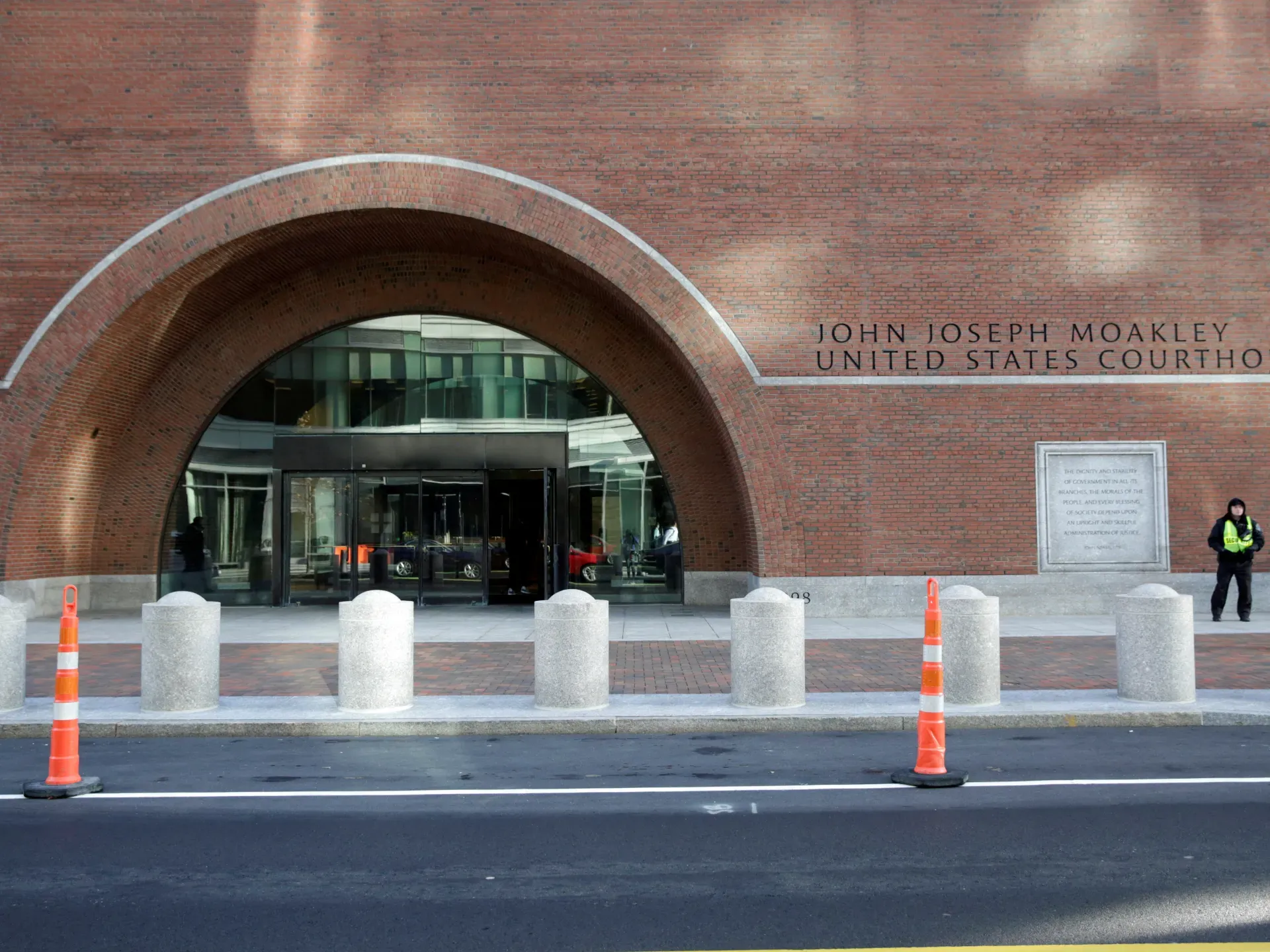
A federal jury in Boston has handed down a Rwandan American genocide perjury conviction against 55-year-old Eric Nshimiye. Nshimiye was found guilty of four counts of perjury and one count of obstruction of justice for providing false testimony during a 2019 trial. The verdict follows allegations that he concealed his involvement in the 1994 Rwandan genocide, where more than 800,000 people were killed. This case highlights the ongoing US legal efforts to prosecute individuals accused of hiding genocidal pasts to obtain citizenship. This article examines the trial details, the conflicting testimonies, and the broader context of genocide prosecutions in the United States.
November 8, 2026
5 min read
Source: ASHENVOW
What led to the conviction of Eric Nshimiye?
The conviction of Eric Nshimiye stems from false statements made during a 2019 federal trial in Boston regarding his activities during the 1994 Rwandan genocide. Nshimiye, a US citizen and father of four, testified that neither he nor his former medical school roommate, Jean Leonard Teganya, had participated in the mass killings or rapes of Tutsis in Butare. However, Teganya was subsequently convicted of aiding in the perpetration of the genocide.
The legal proceedings against Nshimiye were initiated following an investigation by the US Department of Homeland Security. In 2024, investigators arrested Nshimiye at his residence in Ohio after alleging he had provided false information during interviews concerning his time in Rwanda. While he initially faced charges including immigration fraud related to his 2009 naturalization, prosecutors dropped the immigration-specific charges before the trial commenced, focusing instead on the perjury and obstruction of justice counts.
The role of the Department of Justice
Assistant Attorney General A Tysen Duva of the Department of Justice’s Criminal Division emphasized the severity of the deception. According to Duva, Nshimiye spent nearly three decades concealing his involvement in the 1994 violence, which included acts such as clubbing individuals to death. The prosecution argued that Nshimiye's lies served a dual purpose: protecting himself and shielding a fellow perpetrator from justice.
How did the prosecution prove Nshimiye's involvement?
Prosecutors relied on a combination of expert testimony and eyewitness accounts to establish Nshimiye's connection to the genocidal violence. To ensure the jury understood the geographic and historical context, academics were brought in to explain the location of Rwanda within Africa and the nature of the 1994 outbreak of violence. This violence, led by hardline Hutu majorities, resulted in the deaths of over 800,000 people within approximately 100 days.
Key evidence presented by the prosecution included:
- Eyewitness accounts: Witnesses from Rwanda testified that they remembered Nshimiye participating in killings and violence directed at the Tutsi minority in the Butare region.
- Organizational links: Testimony suggested Nshimiye was associated with the pro-Hutu National Revolutionary Movement for Development and the Interahamwe, a paramilitary group central to the genocide.
What were the arguments presented by the defence?
The defence focused on the passage of time and the reliability of the witnesses, arguing that the evidence was insufficient to overcome the lack of prior international indictments. Nshimiye’s legal team highlighted that he had never been implicated in the International Criminal Tribunal for Rwanda or the local gacaca court system, which processed more than a million cases related to the atrocities.
The defence strategy included several key pillars:
- Contradictory testimony: Lawyers pointed to inconsistencies in the statements provided by government witnesses.
- Alibi witnesses: The defence presented individuals who claimed Nshimiye was in Kigali or other locations during the period of the killings.
- Allegations of interference: Attorneys argued that Rwandan authorities had potentially influenced the investigation by meeting with witnesses prior to their testimony in Boston.
Following the verdict, Nshimiye's legal team filed a motion requesting that his two and a half years of pre-trial detention be credited toward any eventual sentence. They argued that his time already spent in custody exceeded the typical sentencing guidelines for the crimes of which he was convicted.
What is the broader context of genocide-related prosecutions in the US?
The Nshimiye case is part of a growing trend of US federal prosecutions targeting individuals suspected of concealing their roles in the 1994 Rwandan genocide to obtain American citizenship. These cases often hinge on the discrepancy between immigration disclosures and the historical reality of the genocide.
Other recent notable cases include:
| Defendant | Location | Date of Charge | Allegation |
|---|---|---|---|
| Faustin Nsabumukunzi | Long Island, NY | April 2025 | Concealing role in genocide during citizenship application |
| Vincent Nzigiyimfura | Dayton, OH | June 2025 | Concealing role in genocide during citizenship application |
| Eric Nshimiye | Boston, MA | October 2026 | Perjury and obstruction regarding genocide involvement |
These legal actions demonstrate a concerted effort by US authorities to ensure that the naturalization process is not used as a means to evade accountability for international crimes.
FAQ: Eric Nshimiye trial
What were the specific charges Nshimiye was convicted of?
Eric Nshimiye was convicted on four counts of perjury and one count of obstruction of justice. These charges related to his false testimony during a 2019 federal trial in Boston, where he denied involvement in the 1994 Rwandan genocide and protected a fellow perpetrator.
Who is Jean Leonard Teganya?
Jean Leonard Teganya was a former medical school roommate of Eric Nshimiye. He was previously convicted in a Boston court for his role in helping to perpetrate the 1994 Rwandan genocide. Nshimiye's perjury charges were directly linked to his attempts to protect Teganya during their respective legal proceedings.
How many people died in the 1994 Rwandan genocide?
According to the evidence presented in the trial, the genocide resulted in the deaths of more than 800,000 people. The violence was carried out by hardline Hutu majorities against the Tutsi minority over a period of approximately 100 days.
What was the defence's stance on the witnesses?
The defence argued that the prosecution's witnesses were unreliable due to the significant passage of time—nearly 30 years—since the events occurred. They also alleged that Rwandan authorities had interfered with the investigation by meeting with witnesses before they testified in the United States.
Is this the only case of its kind in the US?
No, this is one of several ongoing or recent cases. In 2025, prosecutors brought similar charges against Faustin Nsabumukunzi in New York and Vincent Nzigiyimfura in Ohio for allegedly concealing their involvement in the Rwandan genocide during their US citizenship applications.
Key takeaways
- Eric Nshimiye was convicted of four counts of perjury and one count of obstruction of justice in Boston.
- The conviction involves lying about his role in the 1994 Rwandan genocide to protect himself and a roommate.
- Prosecutors alleged Nshimiye participated in violent acts, including clubbing people to death.
- The case is part of a series of US prosecutions targeting genocide perpetrators seeking US citizenship.
Synthesis of the verdict and legal implications
The conviction of Eric Nshimiye marks a significant moment in the US's pursuit of accountability for historical international crimes. By focusing on perjury and obstruction, the Department of Justice has demonstrated that even when direct genocide charges are difficult to prosecute decades later, the act of concealing such a past to gain citizenship remains a punishable federal offense. As the US continues to investigate other individuals linked to the 1994 violence, the legal precedent set by this case will likely influence how immigration fraud and historical accountability intersect in future federal trials.



