
Russia and Ukraine overnight attacks intensify amid US push
Russia and Ukraine overnight attacks intensified on Friday, November 13, 2026, as massive drone strikes targeted energy infrastructure and civilian centers despite ongoing US-led mediation efforts. Russian officials reported intercepting approximately 1,200 Ukrainian drones across 15 regions, while Ukraine reported Russian strikes on Odesa and a hospital in Kyiv. These hostilities continue as US envoys Jared Kushner and Steve Witkoff attempt to broker a ceasefire, facing significant obstacles regarding territorial control and European security guarantees. The escalation highlights the growing difficulty of finding common ground between the warring parties.
November 20, 2026
5 min read
Source: ASHENVOW
Escalation of drone warfare and infrastructure strikes
Russia's Ministry of Defence reported that it intercepted 1,198 Ukrainian drones overnight, spanning more than 15 different regions within the country. This massive aerial campaign targeted various sectors, with a significant focus on Russia's energy-producing capabilities. In the southern region of Volgograd, Governor Andrei Bocharov stated that attacks on an industrial area resulted in four deaths and two injuries. While unverified social media footage suggested a major oil refinery in Volgograd was on fire, official confirmation of damage to the facility has not been provided.
The targeting of energy assets aligns with a broader Ukrainian strategy throughout the current year. By focusing on Russia's oil infrastructure, Ukraine aims to diminish the revenue generated from energy exports, which currently funds the Russian military effort. In Moscow, Mayor Sergei Sobyanin reported that 467 Ukrainian drones hit the capital city during the same overnight period, according to the RIA Novosti news agency.
Impact on civilian and energy sectors
The scale of the drone swarm represents one of the most significant aerial operations reported in recent months. The distribution of these strikes across 15 regions suggests an attempt to saturate Russian air defense systems and spread the impact across multiple logistical and economic hubs. While the Ministry of Defence claims high interception rates, the reported casualties and damage to industrial zones indicate that many projectiles successfully reached their intended targets.
Russian strikes on Odesa and Ukrainian civilian centers
Ukrainian forces reported that Russian military activity targeted the southern port city of Odesa starting early Friday morning, resulting in at least two deaths according to the city's military administration. Simultaneously, the Russian Defence Ministry claimed via the TASS news agency that its strikes were directed at a cargo ship in the Black Sea that was reportedly transporting weapons and military equipment intended for Ukrainian use.
In the capital, a Russian drone strike caused a hospital in Kyiv to catch fire around 3:00 AM local time (01:00 GMT). The strike caused severe damage to the facility, which serves civilian patients near the city center. One person was reported injured in the incident. The strike forced numerous residents to evacuate their homes as emergency services responded to the blaze and the broader wave of attacks.
The southeastern Zaporizhia district also faced significant Russian bombardment. Ukrainian emergency officials confirmed that six people were injured during the strikes in this region. The combination of maritime targeting in Odesa and urban strikes in Kyiv illustrates the multi-front nature of the current Russian offensive operations.
The US diplomatic push and ceasefire negotiations
The surge in violence occurs as US envoys Jared Kushner and Steve Witkoff attempt to mediate a ceasefire between the warring parties. Following meetings between Russian and Ukrainian negotiators in Abu Dhabi, United Arab Emirates, on Tuesday and Wednesday, a major prisoner exchange agreement was reached. However, no progress has been made regarding a formal end to the hostilities.
The primary obstacles to a peace deal involve fundamental disagreements over territory and security. Russia has reportedly maintained uncompromising demands, specifically regarding its control over the entirety of the Donbas region in Ukraine. Furthermore, unconfirmed reports suggest Moscow has introduced demands concerning broader European security architecture, including:
- Requirements for Finland to withdraw from NATO.
- Demands that the Western military alliance pledge not to station troops in the Baltic region.
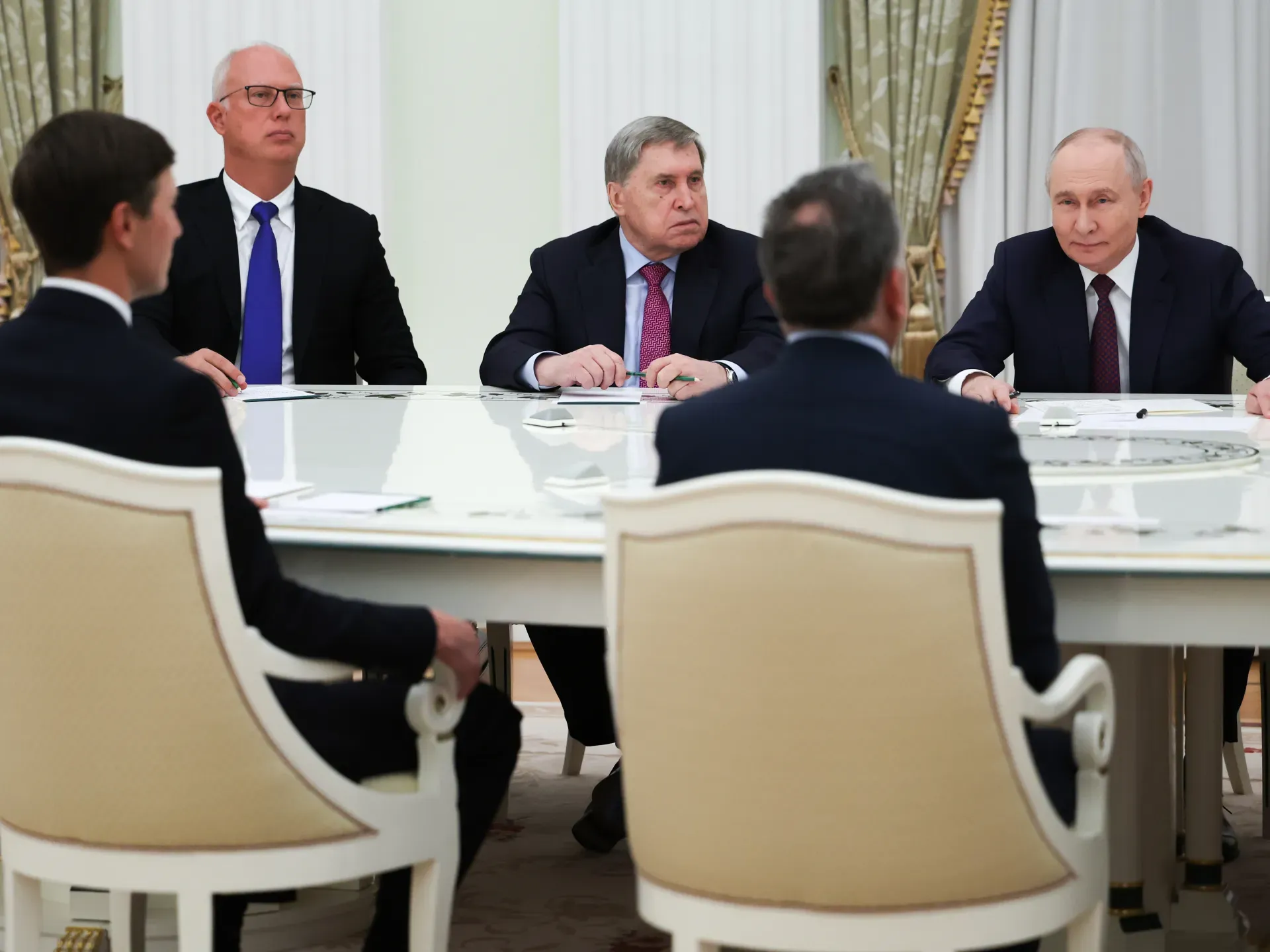
The US envoys have maintained an intensive schedule, meeting with President Vladimir Putin in Moscow on Thursday before briefing President Volodymyr Zelenskyy in Dublin. A subsequent meeting with European leaders was held in the Irish capital on Friday to coordinate the international response.
European involvement and the Dublin summit
A central point of contention in the negotiations is the role of European nations. Jared Kushner stated late on Thursday that President Putin has agreed to include Europe in the ongoing diplomatic process. Kushner emphasized that a successful deal requires European participation to ensure the interests of the continent are protected and to provide necessary support for Ukraine.
European Commission President Ursula von der Leyen echoed this sentiment during the Dublin summit, stating that Europe must be included in peace talks to safeguard its own interests and support the Ukrainian state. However, the European response remains fragmented. The continent is currently struggling to coordinate a unified approach, particularly regarding the selection of a lead negotiator for the peace process.
Diverging perspectives on European mediation
The inclusion of Europe in the talks is viewed differently by the primary combatants. In Kyiv, concerns have been raised that Russia's willingness to involve European mediators may be a tactical move to distract from its refusal to relinquish occupied territories. This skepticism highlights the deep-seated mistrust that continues to define the diplomatic landscape.
Moscow has provided a more cautious stance regarding the expanded format of the talks. Kremlin spokesperson Dmitry Peskov told reporters on Friday that Russia has not yet agreed to include European mediators. He stated that a decision on whether to hold talks in an expanded format will only be made once Moscow understands the "real intentions" and the "willingness" of European actors to contribute meaningfully to the peace process.
Summary of recent military and diplomatic activity
The current situation is characterized by a disconnect between high-level diplomatic engagement and the reality of intense kinetic warfare on the ground. While negotiators in the UAE focused on prisoner exchanges, the deployment of over 1,200 drones and the striking of civilian hospitals demonstrate that both sides continue to seek military advantages.
The following table summarizes the reported impacts of the overnight operations:
| Location | Reported Impact / Event | Source Attribution |
|---|---|---|
| Volgograd, Russia | 4 dead, 2 injured; industrial/oil area hit | Governor Andrei Bocharov |
| Moscow, Russia | 467 drones hit the capital | Sergei Sobyanin / RIA Novosti |
| Odesa, Ukraine | At least 2 dead; port/maritime strikes | Military Administration |
| Kyiv, Ukraine | Hospital fire; 1 injured; civilian damage | Al Jazeera / Audrey MacAlpine |
| Zaporizhia, Ukraine | 6 people injured | Ukrainian emergency officials |
| Black Sea | Targeting of a weapons cargo ship | Russian Defence Ministry / TASS |



