What is the current status of the RTX 5080 Super rumors?
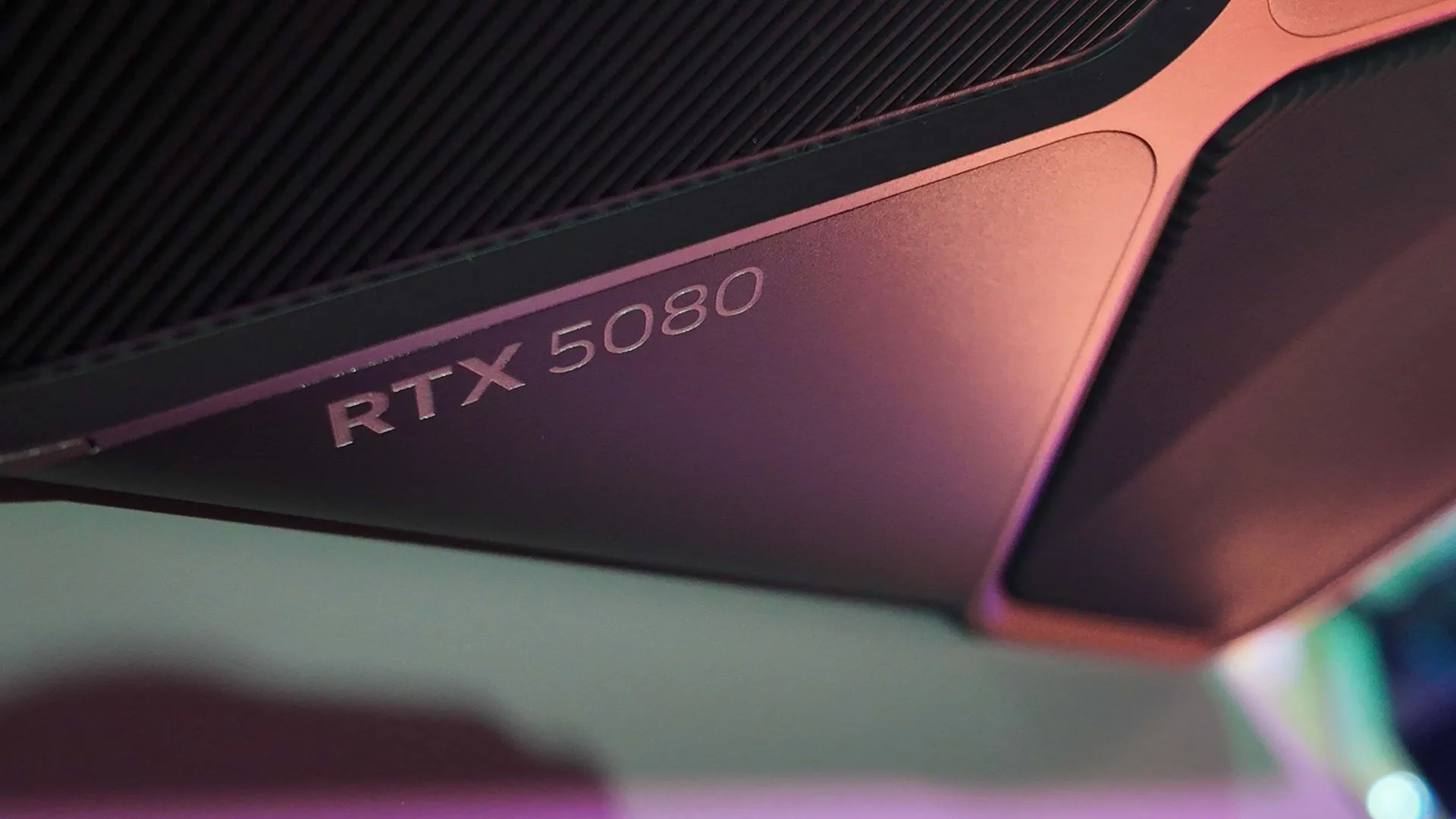
The RTX 5080 Super is currently a subject of intense speculation regarding a potential 24 GB VRAM configuration slated for a Q1 2027 release. According to Benchlife, add-in board (AIB) partners such as Asus and MSI have received verbal indications that product development data for a new 24 GB variant will be released soon. While these partners have not yet received concrete specifications, the mention of 24 GB aligns with previous rumors concerning a high-capacity 'Super' refresh of the Blackwell architecture.
At this stage, the development of the card appears to be in the early stages rather than immediate mass production. However, the existence of previous design data for a 24 GB RTX 5080 Super suggests that manufacturers might be able to accelerate production once official word is given. Despite these leaks, the roadmap remains volatile, as previous iterations of the RTX 50-series refresh cycles have faced multiple delays and changes in direction.
The uncertainty of the 2027 GPU timeline
While some leaks, including those from Moore's Law is Dead, have suggested an RTX 6090 might arrive in the first half of next year, the more grounded expectation for the RTX 50-series refresh is a launch around or shortly after CES 2027. This timeline follows what is perceived to be a fallow period for consumer GeForce releases throughout 2026.
Why is Nvidia shifting its focus toward professional GPUs?
Nvidia appears to be prioritizing the professional sector by funneling GB202 GPUs toward the RTX Pro lineup. This shift is driven by the massive demand for high-end compute capabilities in enterprise environments. According to recent reports, all future GB202 supplies are expected to be exclusive to RTX Pro cards, which effectively marks the end of the line for the flagship gaming RTX 5090 in terms of commercial gaming production.
This strategy creates a significant gap in the high-end consumer market. If the RTX 5090 is indeed phased out of the gaming segment, the hierarchy of GeForce cards will be fundamentally restructured. The transition suggests that Nvidia views the highest-tier silicon as more profitable and essential when applied to professional workstations and enterprise-grade AI infrastructure rather than enthusiast gaming rigs.
How will the 24 GB RTX 5080 Super affect gamers?
The impact on the gaming community may be minimal in terms of raw performance, even if the VRAM capacity increases significantly. Because the GB203 chip used in the RTX 5080 is already being utilized to its full extent, a 'Super' refresh is unlikely to feature higher core counts. Consequently, gamers should not expect a substantial leap in frame rates or traditional rendering performance compared to the standard 16 GB model.
The primary benefit of the 24 GB capacity lies in specialized workloads rather than traditional gaming. The increased memory bandwidth and capacity will be highly advantageous for:
- Running large local AI models and LLMs (Large Language Models).
- High-resolution texture workloads in professional creative suites.
- Complex computational tasks that exceed the 16 GB limit of current high-end cards.
For the average gamer, the 'Super' refresh represents a hardware shift toward utility and AI-readiness rather than a pure gaming performance boost.
What does the new GPU hierarchy look like for enthusiasts?
If these rumors are accurate, the enthusiast gaming landscape will be left with much more limited high-end options. The disappearance of the RTX 5090 and the potential end-of-life for the standard 16 GB RTX 5080 would leave the RTX 5070 Ti as the effective ceiling for high-end consumer gaming. This presents a challenging scenario for enthusiasts, as the RTX 5070 Ti is rumored to carry a significant price tag of approximately $1,500.
This creates a market where the 'top-end' consumer experience is both more expensive and less capable in terms of raw silicon power than previous generations. Users who previously would have opted for a flagship 5090 may now find themselves forced toward the 24 GB RTX 5080 Super if they require high VRAM, even if they are not professional users.
The economic impact on PC builders
For PC builders, this shift necessitates a change in budgeting and component selection. The move toward higher-priced mid-to-high tier cards like the 5070 Ti means that the cost of building a high-performance gaming rig is trending upward, even as the absolute top-tier flagship becomes unavailable for consumer use.
FAQ: RTX 5080 Super and Nvidia Roadmap
Will the RTX 5080 Super be faster for gaming?
It is unlikely that the RTX 5080 Super will offer significant gaming performance improvements. Since the card will likely use the existing GB203 chip, the core counts are expected to remain the same, meaning the primary upgrade is the jump to 24 GB of VRAM rather than increased processing speed.
Why is the RTX 5090 being removed from the gaming market?
Nvidia is reportedly shifting its highest-end GB202 silicon to the professional RTX Pro series. This move prioritizes the enterprise and AI sectors, where the demand for high-capacity, high-performance compute silicon is currently driving higher profit margins and more critical industry needs than the consumer gaming market.
When is the expected release of the RTX 5080 Super?
Current rumors suggest a potential launch in the first quarter of 2027, possibly coinciding with or following the CES event. While some reports mention development data being released soon, the exact production timeline remains unconfirmed by Nvidia and is subject to typical industry delays.
Is the 24 GB VRAM useful for gamers?
The 24 GB of VRAM is primarily beneficial for users running local AI models or extremely heavy professional workloads. For standard gaming, 16 GB remains sufficient for most current titles, meaning the extra memory is more of a future-proofing measure for AI-integrated software and complex creative tasks.
What is the estimated price of the RTX 5070 Ti?
Rumors suggest that the RTX 5070 Ti could be positioned as the new high-end consumer standard with a price point around $1,500. This would make it the most expensive primary gaming option available if the higher-tier 5080 and 5090 models are redirected toward professional use.
Key takeaways
- A 24 GB RTX 5080 Super is rumored for a potential Q1 2027 release.
- Nvidia is reportedly shifting GB202 silicon toward professional RTX Pro cards.
- The RTX 5090 may be phased out of the consumer gaming market entirely.
- The RTX 5070 Ti could become the new gaming ceiling at an estimated $1,500.
- Increased VRAM will primarily benefit local AI models rather than gaming FPS.
The shifting landscape of GPU ownership
The reported transition in Nvidia's product strategy signals a broader movement in the semiconductor industry: the prioritization of AI-capable silicon over traditional gaming hardware. As the GB202 and GB203 chips become increasingly vital for the burgeoning AI sector, the consumer gaming market faces a period of contraction at the high end. For enthusiasts, this means navigating a landscape where flagship performance is replaced by high-capacity memory, and the cost of entry for top-tier gaming continues to rise. Whether these rumors materialize or the roadmap shifts again, the distinction between 'gaming' and 'professional' hardware is becoming increasingly blurred by the demands of artificial intelligence.