
Republican midterm losses 2026: How significant is the GOP defeat?
Republican midterm losses in the 2026 US elections have resulted in a historic shift of power, with Democrats wresting control of both the House of Representatives and the Senate. The Democratic Party has secured a significant majority, with 228 seats in the House against 139 for Republicans, while holding a 54 to 44 advantage in the Senate. This outcome represents the most significant weakening of the Republican Party in Congress since 1990. This article examines the scale of the electoral rout, the impact on the Trump administration, and the potential paths for GOP recovery.
November 8, 2026
5 min read
Source: ASHENVOW
How significant were the Republican midterm losses in 2026?
The Republican Party suffered a historic and unexpected electoral rout, losing its grip on both chambers of the United States Congress. In the House of Representatives, the Democratic Party has secured 228 seats, while the Republican Party holds 139. With 34 seats still uncalled, Democrats could potentially reach over 260 seats, marking their largest House majority since 1990, when they held 267 seats.
The losses in the Senate are equally substantial. Democrats have claimed a 54-seat majority compared to 44 for the Republicans. This level of dominance in the upper chamber has not been seen since 2008, when the Democrats held 56 seats following Barack Obama's initial election. The scale of these losses has caught many observers by surprise, as internal Republican polling had suggested the party might retain control of the Senate.
Comparing historical Congressional majorities
To understand the magnitude of the 2026 results, it is useful to compare them to previous eras of Democratic dominance. In 2008, Democrats held a significant House majority with 257 seats compared to 178 for Republicans. The current potential trajectory for the 2026 cycle suggests an even more pronounced shift in the balance of power, potentially creating a more aggressive legislative environment for the current administration.
Why did Trump-endorsed candidates fail in key battlegrounds?
A defining feature of the 2026 midterms was the widespread defeat of candidates endorsed by President Donald Trump, even in regions traditionally considered Republican strongholds. This trend suggests a disconnect between the President's personal popularity and the viability of his preferred candidates in general elections.
Several high-profile losses illustrate this trend:
- South Carolina: Despite Trump's backing of Darline Graham, Democrat Annie Andrews won the seat, breaking a streak that had seen no Democratic senator elected in the state since 1998.
- Texas: In a major blow to the GOP, Democrat Talarico won the Senate race by nearly 10 points, defeating the Republican candidate in a state that serves as an intellectual and emotional core for the party. Additionally, Democrat Gina Hinojosa defeated Texas Governor Greg Abbott.
- North Carolina: Trump-endorsed Michael Whatley lost to Democratic Governor Roy Cooper.
- Michigan: Trump's choice, former Representative Mike Rogers, was defeated by Democrat Abdul El-Sayed.
Political scientist Chris Featherstone described these results as a "seismic loss," noting that the defeats spanned both progressive and centrist Democratic candidates, indicating a broad rejection of the endorsed Republican slate.
What is the impact of these results on the Trump administration?
The shift in Congressional control is expected to fundamentally alter the relationship between the White House and the legislative branch. With a Democratic majority, the likelihood of intense oversight, significant investigations, and potential impeachment proceedings against administration members has increased significantly.
Beyond legislative friction, the election results signal a potential shift in the Republican Party's long-term identity. Sudha David-Wilp of the German Marshall Fund of the United States suggested that while President Trump maintains a loyal following, the MAGA base appears to have splintered. This fragmentation could make it difficult for the GOP to center its 2028 presidential campaign around the Trump brand.
The role of foreign policy and economic concerns
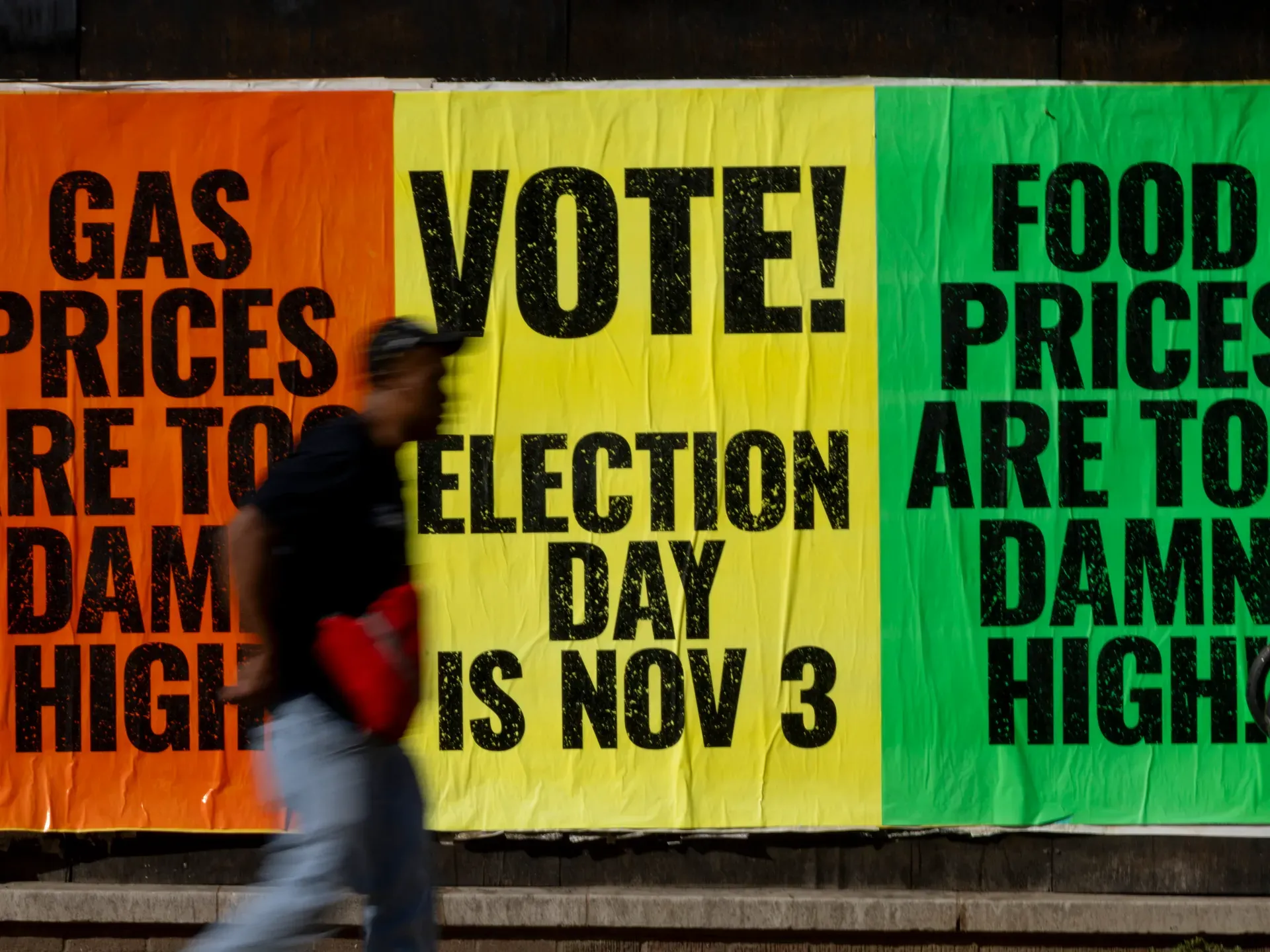
While midterm elections are rarely direct referendums on foreign policy, the 2026 cycle was an exception. Laurel Rapp of Chatham House noted that voters increasingly linked the Trump administration's international agenda—specifically regarding the conflict between the US, Israel, and Iran—to domestic economic pressures. Voters appeared to connect the administration's foreign policy decisions with rising costs for food and fuel, delivering a verdict that demanded a change in direction.
Are there any silver linings for the Republican Party?
Despite the sweeping losses in the House and Senate, the Republican Party maintained several key victories in specific states, providing a potential foundation for future recovery. These wins demonstrate that the party remains competitive in certain regional strongholds.
Notable Republican successes include:
- Florida: Republican Senator Ashley Moody defeated Democrat Angie Nixon, and Byron Donalds won the governorship, becoming Florida's first Black governor.
- Wyoming: Harriet Hageman successfully won a Senate seat.
- Alabama: Tommy Tuberville secured the governorship, defeating Democrat Doug Jones.
The GOP also saw victories in Idaho, Arkansas, Louisiana, South Dakota, Nebraska, Kentucky, and West Virginia. History suggests that such massive losses do not necessarily signal the end of a party's relevance. In both 1992 and 2008, the Republicans faced significant Congressional deficits but managed to regain majorities within two years. For instance, in 1994, the GOP successfully reclaimed both houses of Congress despite the Democratic majorities held during the Clinton administration.
FAQ: US 2026 Midterm Elections
How many seats did Democrats win in the House of Representatives?
Democrats have secured 228 seats in the House of Representatives so far. With 34 seats still being called, the party could potentially exceed 260 seats, which would be their largest majority in the lower chamber since 1990.
What was the outcome of the Senate race?
The Democratic Party won control of the Senate with a 54 to 44 majority. This represents the most significant Democratic advantage in the upper chamber since the 2008 elections, following the historic election of Barack Obama.
Did Donald Trump's endorsements help Republican candidates?
No, many of the candidates endorsed by President Trump in key battleground states were defeated. Notable losses occurred in South Carolina, Texas, North Carolina, and Michigan, where Democratic candidates successfully unseated Trump-backed Republicans.
Can the Republican Party recover from these losses?
Yes, historical precedents suggest recovery is possible. In both 1992 and 2008, the Republican Party faced significant losses in Congress but managed to win back majorities within two years, as seen in the 1994 midterm elections.
What factors contributed to the Democratic "blue wave"?
The Democratic success was driven by a combination of factors, including voter dissatisfaction with the administration's foreign policy and its perceived connection to rising food and fuel costs, alongside a splintering of the traditional MAGA voter base.
Key takeaways
- Democrats secured control of both the US House and Senate in the 2026 midterms.
- The Republican Party suffered its worst Congressional performance since 1990.
- Trump-endorsed candidates lost major battleground seats in Texas, South Carolina, and Michigan.
- Republicans maintained strength in states like Florida, Wyoming, and Alabama.
- Voters linked foreign policy and international conflict to rising domestic fuel and food prices.
The future of the GOP and US governance
The 2026 midterm elections have introduced a period of significant political volatility in the United States. The Democratic-led Congress is poised to act as a robust opposition, likely initiating intense investigations into the Trump administration. While the President retains considerable unilateral authority over foreign policy and military deployment, the legislative path for his domestic agenda has become significantly more difficult. For the Republican Party, the challenge lies in addressing the fragmentation of its base and determining whether the Trump brand remains a viable vehicle for electoral success heading into 2028.



