
Port Sudan water shortages: rising costs and health risks in 2026
Port Sudan water shortages are creating a severe humanitarian crisis as residents struggle to afford basic hydration and hygiene. Following the August 2024 collapse of the Arbaat Dam, the city's water supply has met less than 40 percent of demand according to the African Development Bank (AfDB). This deficit is exacerbated by a massive influx of internally displaced persons fleeing the ongoing civil war. As infrastructure remains fragile, the cost of water is consuming entire household incomes, driving significant public health risks. This article examines the economic burden on families, the causes of supply failure, and the looming medical threats.
November 8, 2026
6 min read
Source: ASHENVOW
How are water shortages impacting household finances in Port Sudan?
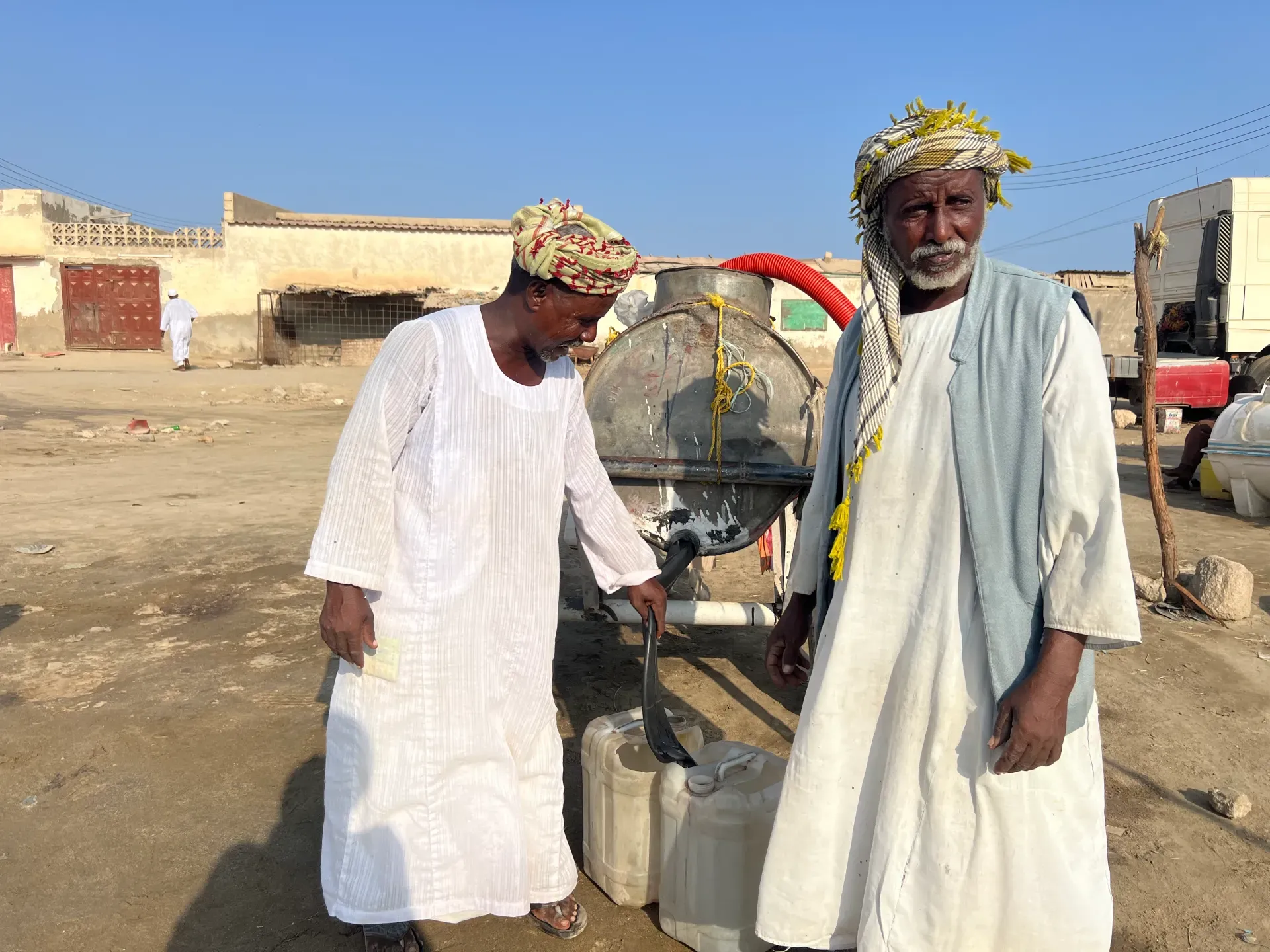
Water costs in Port Sudan have reached levels that consume the entirety of many residents' monthly earnings. For families living in areas without piped connections, such as the Deim Mayo neighbourhood, reliance on street vendors is a necessity rather than a choice.
The economic strain is illustrated by the case of Amina Khalafallah, a resident of Deim Mayo. She reports spending 10,000 Sudanese pounds ($1 at the parallel market rate) daily to provide water for herself and her four children. Over a 30-day period, this totals 300,000 pounds ($30), which represents her entire monthly salary. Such financial pressure forces families to prioritize water over other essential household needs, often leading to debt.
The broader economic context in Sudan is equally grim. According to the United Nations Development Programme (UNDP), the ongoing conflict, which has lasted over three years, has effectively regressed average incomes to levels seen in the early 1990s. This stagnation, combined with rising costs, leaves little margin for error during the hotter months when water prices typically surge and availability decreases.
The rising cost of water distribution
The cost of transporting water has seen a dramatic increase due to rising operational expenses, specifically fuel. Ahmed Osman, a worker at a local distribution station, notes that a water tanker carrying 50,000 litres now costs approximately 1.5 million Sudanese pounds ($150). This is a significant rise from the 450,000 pounds recorded before the war began in April 2023. These increased logistics costs are passed down to the end consumers, making every litre more expensive for the most vulnerable populations.
What caused the collapse of the water supply in Port Sudan?
The primary driver of the current water deficit is the failure of critical infrastructure, specifically the Arbaat Dam. Located in the Red Sea Hills northwest of the city, this dam was once a cornerstone of the regional utility system, providing half of the daily water requirements for Port Sudan.
In August 2024, extreme weather events led to the dam's collapse. Heavy rainfall and subsequent flooding destroyed local villages and caused extensive damage to the network of pipelines and wells that connected the dam's resources to the urban population. This event transformed entire neighbourhoods into zones dependent on expensive, truck-delivered water.
The situation is further complicated by the demographic shifts caused by the war. While Port Sudan has remained relatively safe from the direct fighting seen in other parts of the country, it has become a refuge for those displaced by the conflict. This sudden population surge has placed immense pressure on a system that was already struggling to function, pushing the city's capacity to its limits.
What efforts are being made to restore water access?
Rehabilitation projects are underway to address the infrastructure gaps, though they currently fall short of the total demand. The UNDP has spearheaded several initiatives to stabilize the supply for a portion of the population.
Recent restoration efforts led by the UNDP include:
- The drilling and rehabilitation of 15 boreholes.
- The installation of 17 kilometres (10.5 miles) of new pipeline infrastructure.
- The implementation of solar-powered pumping systems to improve reliability.
While these measures are intended to provide water to nearly 230,000 people, the scale of the problem remains vast. The UNDP estimates the current population of Port Sudan to be approximately one million people, meaning the restored system covers less than a quarter of the city's residents. To bridge this gap, a joint project launched in June by the African Development Bank (AfDB) and UNICEF aims to expand access to safe water for up to 750,000 people, yet even this target leaves a significant portion of the population underserved.
How do water shortages threaten public health in the region?
The lack of reliable water access creates a multi-faceted health crisis, ranging from acute infectious diseases to long-term nutritional deficiencies. Medical professionals in Port Sudan have warned that the crisis is a ticking time bomb for public health.
Emad Hafez, the medical director of the emergency department at Port Sudan Teaching Hospital, highlights several critical risks:
Increased risk of infectious diseases
When formal supplies fail, families are often forced to use untreated water sources. This significantly increases the prevalence of waterborne diseases, such as cholera and various diarrhoeal illnesses, particularly during the rainy season or within overcrowded displacement camps. Furthermore, the inability to maintain basic hygiene can lead to a rise in skin infections. There is also a secondary risk from vector-borne diseases; when residents store water in uncovered containers to ensure they have enough, these containers become breeding grounds for mosquitoes, increasing the risk of malaria and dengue fever.
Impact on healthcare and nutrition
Beyond individual illnesses, the water crisis compromises the ability of medical facilities to function. Hospitals require consistent water supplies for cleaning, patient care, and infection prevention. Without it, the risk of hospital-acquired infections rises. Additionally, water insecurity has a cascading effect on food security. It disrupts agricultural activities and places further financial strain on households, which can exacerbate malnutrition. According to Hafez, children under the age of five and pregnant women are the most vulnerable to these nutritional and hygiene-related impacts.
Frequently asked questions
How much does water cost for a typical family in Port Sudan?
For families without piped water, costs can be extreme. In some neighbourhoods, a single 18-litre container can cost 1,000 Sudanese pounds ($0.10). For a family of five, this can amount to roughly 300,000 pounds per month, which may equal their entire monthly salary.
Why is the water supply insufficient in Port Sudan?
The shortage is caused by the 2024 collapse of the Arbaat Dam, which previously supplied 50% of the city's water. This, combined with the influx of displaced persons due to the war, has left the current supply meeting less than 40% of demand.
What are the main health risks of the water crisis?
The primary risks include waterborne diseases like cholera, skin infections due to poor hygiene, and vector-borne diseases like malaria from uncovered water storage. It also increases the risk of malnutrition among children and pregnant women.
What is being done to fix the water infrastructure?
The UNDP has rehabilitated boreholes and laid new pipelines, while a joint AfDB and UNICEF project aims to provide safe water to 750,000 people. However, these efforts still do not meet the needs of the full one-million-person population.
How has the war affected water prices?
The war has driven up the cost of fuel, which is essential for transporting water. Consequently, the price of large-scale water transport, such as 50,000-litre tankers, has risen from 450,000 pounds to 1.5 million Sudanese pounds.
Key takeaways
- The Arbaat Dam collapse in 2024 reduced the city's water supply capacity significantly.
- Current water infrastructure meets less than 40% of Port Sudan's total demand.
- Water costs can consume 100% of a low-income household's monthly salary.
- Water shortages increase the risk of cholera, malaria, and malnutrition.
- Ongoing humanitarian projects aim to reach 750,000 people with safe water.
Conclusion
The water crisis in Port Sudan is a complex intersection of infrastructure failure, economic collapse, and demographic pressure. The destruction of the Arbaat Dam, coupled with the massive displacement caused by the ongoing war, has left a significant portion of the population unable to access even the most basic necessity for survival. While international organizations like the UNDP, UNICEF, and AfDB are working to restore services, the scale of the need remains overwhelming. Without sustained intervention, the resulting public health risks and economic hardships will continue to disproportionately affect the most vulnerable, particularly children and displaced families.



