
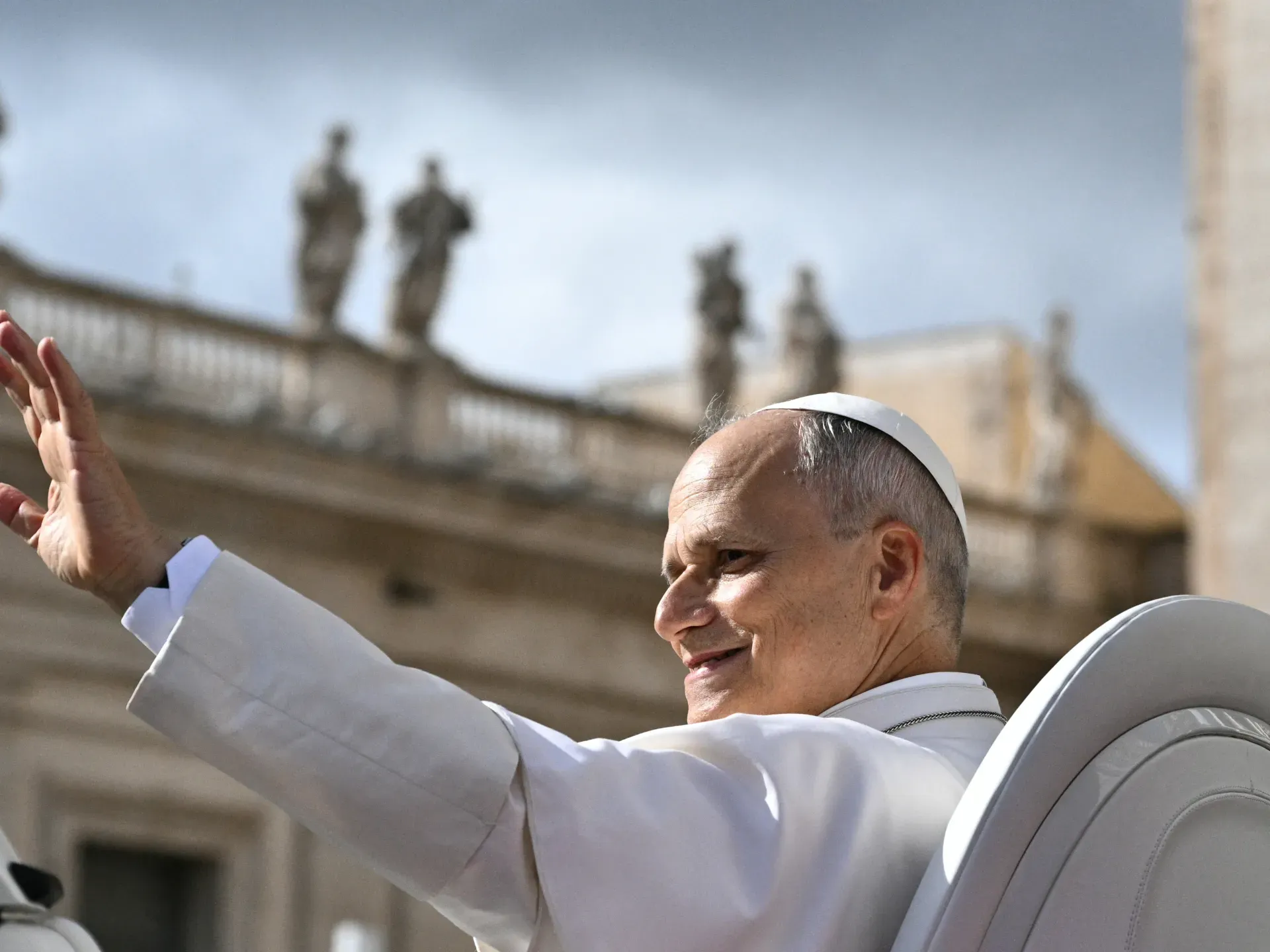
Pope Leo XIV cancer surgery: No further treatment needed
Pope Leo XIV cancer surgery has resulted in a positive prognosis, with medical officials confirming the Pontiff requires no additional oncological therapy. Following the surgical removal of the lower lobe of his right lung on October 13, 2026, subsequent evaluations indicate the lung adenocarcinoma has not spread. The 71-year-old leader of the Catholic Church was treated at Rome’s Gemelli Polyclinic and has already begun resuming public duties. This article examines the clinical details of the surgery, the recovery process of the Pope, and his upcoming international schedule.
October 27, 2026
5 min read
Source: ASHENVOW
What is the current medical status of Pope Leo XIV?
Pope Leo XIV requires no further oncological therapy according to a joint statement released by his medical team on Wednesday, October 21, 2026. The Vatican announced that recent evaluations confirmed the cancer has not metastasized or spread to other areas of the body.
The announcement was made by the Pontiff's lead surgeon, Stefano Margaritora, alongside his personal physician, Luigi Carbone. Their assessment follows the surgical intervention performed earlier this month to address a diagnosis of lung adenocarcinoma. Because the disease was localized, the medical team determined that the surgical removal of the affected tissue was sufficient to manage the condition.
Clinical findings and the absence of metastasis
In oncological practice, the decision to halt further treatment, such as chemotherapy or radiation, is typically predicated on the absence of spread to the lymph nodes or other distant organs. In the case of Pope Leo XIV, the post-operative evaluations provided the necessary clinical certainty to conclude the treatment phase. The surgical success is largely attributed to the early detection of the malignancy, which allowed for a localized intervention before the disease could become more aggressive or systemic.
How was the lung cancer diagnosed and treated?
The cancer was identified by chance during routine abdominal examinations rather than through symptoms related to respiratory distress. Stefano Margaritora, the chief thoracic surgeon at Rome’s Gemelli Polyclinic, confirmed to Vatican News that the 71-year-old Pope had been asymptomatic prior to the discovery of the nodule.
The surgical procedure, which took place on October 13, 2026, involved the removal of the lower lobe of the Pope's right lung. This specific type of cancer, lung adenocarcinoma, is the most prevalent form of lung malignancy. Because the nodule was found during an unrelated medical exam, the medical team was able to intervene at a stage where surgery could serve as a definitive treatment.
The role of early detection in the surgical outcome
Early detection remains a critical factor in the prognosis of lung adenocarcinoma. When a tumor is identified in its nascent stages, particularly when it is confined to a single lobe of the lung, surgical resection often provides a high probability of long-term remission. The fact that the Pope was undergoing routine abdominal checks is the primary reason the medical team was able to act before the cancer presented clinical symptoms or reached a more advanced stage.
What is the progress of the Pope's recovery?
Pope Leo XIV has shown significant signs of recovery, transitioning from hospital care back to his official duties at the Vatican. Following his discharge from the Gemelli Polyclinic on Saturday, October 18, the Pontiff has already made several public appearances that signal a return to normalcy.
His recovery has been characterized by a gradual reintegration into his schedule. On Wednesday, October 21, he returned to St. Peter's Square to lead the weekly general audience, a significant milestone for a leader recovering from major thoracic surgery. During this audience, he personally greeted pilgrims and addressed the crowd, expressing gratitude for their prayers.
Public appearances and official responsibilities
The Pope's resilience was noted during two specific recent events: the traditional Sunday blessing from the Vatican window and the Wednesday audience in St. Peter's Square. Even while hospitalized, the Pope maintained his commitment to his role, conducting official business including a telephonic communication with Russian President Vladimir Putin. This ability to manage high-level diplomatic responsibilities during his convalescence suggests a robust physical recovery.
Will the Pope proceed with his upcoming international travels?
The Pope remains committed to his scheduled international tour of Uruguay, Argentina, and Peru, which is set to take place from November 6 to November 17, 2026. Despite the physical demands of such a trip, medical experts have expressed confidence in his ability to complete the itinerary.
The planned journey is logistically intensive, involving approximately twelve flights, two helicopter transfers, and several stops at high-altitude locations. However, Dr. Margaritora stated to Vatican News that there is currently "no clinical reason" to cancel or alter these plans. The medical team's assessment is that his recovery from the lung resection is sufficient to withstand the rigors of international travel.
Logistical considerations for the November tour
The combination of high-altitude travel and multiple flights presents a unique challenge for a patient recovering from lung surgery. High-altitude environments can affect oxygen saturation, which is a critical consideration for anyone who has undergone a lobectomy. However, the clinical clearance provided by the Vatican indicates that the Pope's pulmonary function is expected to be stable enough to manage these environmental changes during the South American tour.
Frequently asked questions
What type of cancer was Pope Leo XIV diagnosed with?
Pope Leo XIV was diagnosed with lung adenocarcinoma. This is the most common form of lung cancer and was identified as a nodule during routine abdominal examinations. Because it was caught early, doctors were able to perform a successful localized surgery.
Was the surgery successful?
Yes, the surgery was successful. On October 13, 2026, surgeons at Gemelli Polyclinic removed the lower lobe of the Pope's right lung. Subsequent oncological evaluations have confirmed that the cancer did not spread, and no further therapy is required.
When did the Pope return to public duties?
The Pope returned to public duties shortly after his discharge from the hospital. He participated in the traditional Sunday blessing and held his weekly general audience in St. Peter's Square on Wednesday, October 21, 2026, greeting pilgrims and cardinals.
Can the Pope still travel internationally?
Yes, the Pope is expected to proceed with his trip to Uruguay, Argentina, and Peru from November 6 to 17. His lead surgeon confirmed there is no clinical reason to prevent this travel, despite the high-altitude stops and frequent flights involved.
How was the cancer discovered?
The cancer was discovered by chance during unrelated routine abdominal examinations. The Pope had not been experiencing any specific symptoms related to the lung nodule prior to its detection, which allowed for early surgical intervention.
Key takeaways
- Pope Leo XIV requires no further cancer treatment following successful lung surgery.
- The diagnosis was lung adenocarcinoma, found incidentally during abdominal exams.
- The surgery involved removing the lower lobe of the Pope's right lung.
- The Pope is scheduled to travel to Uruguay, Argentina, and Peru in November.
- Medical officials confirm the cancer has not spread to other organs.
Conclusion
The medical outlook for Pope Leo XIV is highly positive following his recent thoracic surgery. By identifying the lung adenocarcinoma through routine screening, the Vatican medical team was able to perform a localized resection that has effectively managed the disease. The Pontiff's swift return to public audiences at St. Peter's Square and his intention to fulfill his upcoming South American itinerary demonstrate a strong recovery. As the Catholic Church looks toward the upcoming apostolic journey in November, the focus remains on the Pope's continued health and his successful reintegration into the full breadth of his global responsibilities.



