
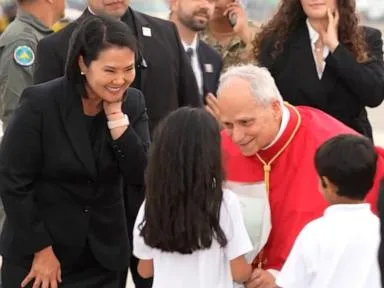
The Pope Leo Peru visit: A historic return to missionary roots
The Pope Leo Peru visit marks a significant milestone as the Pontiff returns to the nation where he spent nearly two decades in service. This historic trip serves as a homecoming for the leader of the Catholic Church, who previously lived in Peru while serving as a missionary and a bishop. The visit highlights his long-standing connection to the region, following a career that was deeply shaped by his extensive pastoral work within the country. This journey reconnects the Holy See with the local faithful who witnessed his early ministry.
November 20, 2026
3 min read
Source: ASHENVOW
The significance of the Pope Leo Peru visit
The Pope Leo Peru visit represents a major diplomatic and spiritual event, signaling a return to the geographical foundations of his religious career. Unlike typical papal tours that focus on new diplomatic engagements, this visit is characterized by its personal and historical connection to the Pontiff's own biography. The trip brings the global head of the Catholic Church back to the territory where his leadership roles were first established.
For the local population, the arrival of the Pope is a momentous occasion that bridges the gap between the current Vatican leadership and the local ecclesiastical history. The visit is not merely a formal state event but a recognition of the decades of service that preceded his ascent to the papacy. This connection provides a unique layer of emotional and historical depth to the official itinerary.
A career rooted in South American service
The depth of this visit is found in the specific timeline of Pope Leo's life. Before his election to the papacy, he dedicated approximately twenty years to the Peruvian church. This period was not a brief assignment but a sustained period of ministry that saw him rise through the ranks of the clergy within the country.
Historical background of Pope Leo in Peru
Pope Leo's relationship with Peru began long before his role in the Vatican, rooted in his foundational years as a missionary. His presence in the country was defined by two distinct but overlapping roles: serving as a missionary and subsequently serving as a bishop. This dual experience allowed him to engage with both the grassroots level of the faith and the administrative structures of the Church.
According to reports, his service in Peru spanned nearly two decades. This duration suggests a deep integration into the social and religious fabric of the nation. The transition from missionary work to the episcopacy signifies a trajectory of increasing responsibility and influence within the Peruvian religious landscape.
The impact of the return on local communities
The return of the Pope to Peru is expected to resonate across various levels of society, particularly among those who remember his earlier years of service. The visit serves as a validation of the work performed by the local clergy and the impact of the missionary efforts that helped shape the region's religious identity. By returning to the site of his previous labors, the Pope reinforces the continuity of the Church's mission in South America.
For the communities where he served as a missionary, the visit is a direct link to the origins of his vocation. For the dioceses where he served as a bishop, it is a recognition of his administrative and spiritual legacy. This dual impact ensures that the visit is felt both at the local parish level and within the formal structures of the Peruvian Church.
Connecting past service to current leadership
This visit acts as a bridge between the Pope's past identity as a regional leader and his current status as a global figure. It allows for a rare moment where the personal history of a world leader intersects with the official duties of his office. The visit provides a platform to reflect on how his early experiences in Peru influenced his subsequent leadership style and priorities.
The long-term nature of his service—spanning almost twenty years—means that his leadership is informed by a practical, lived experience in the Peruvian context. This historical continuity is a central theme of the current visit, distinguishing it from other international tours that lack such profound personal ties to the host nation.
| Role in Peru | Duration/Context |
|---|---|
| Missionary | Foundational service in the country |
| Bishop | Ecclesiastical leadership role |
| Total Service | Nearly 20 years |



