
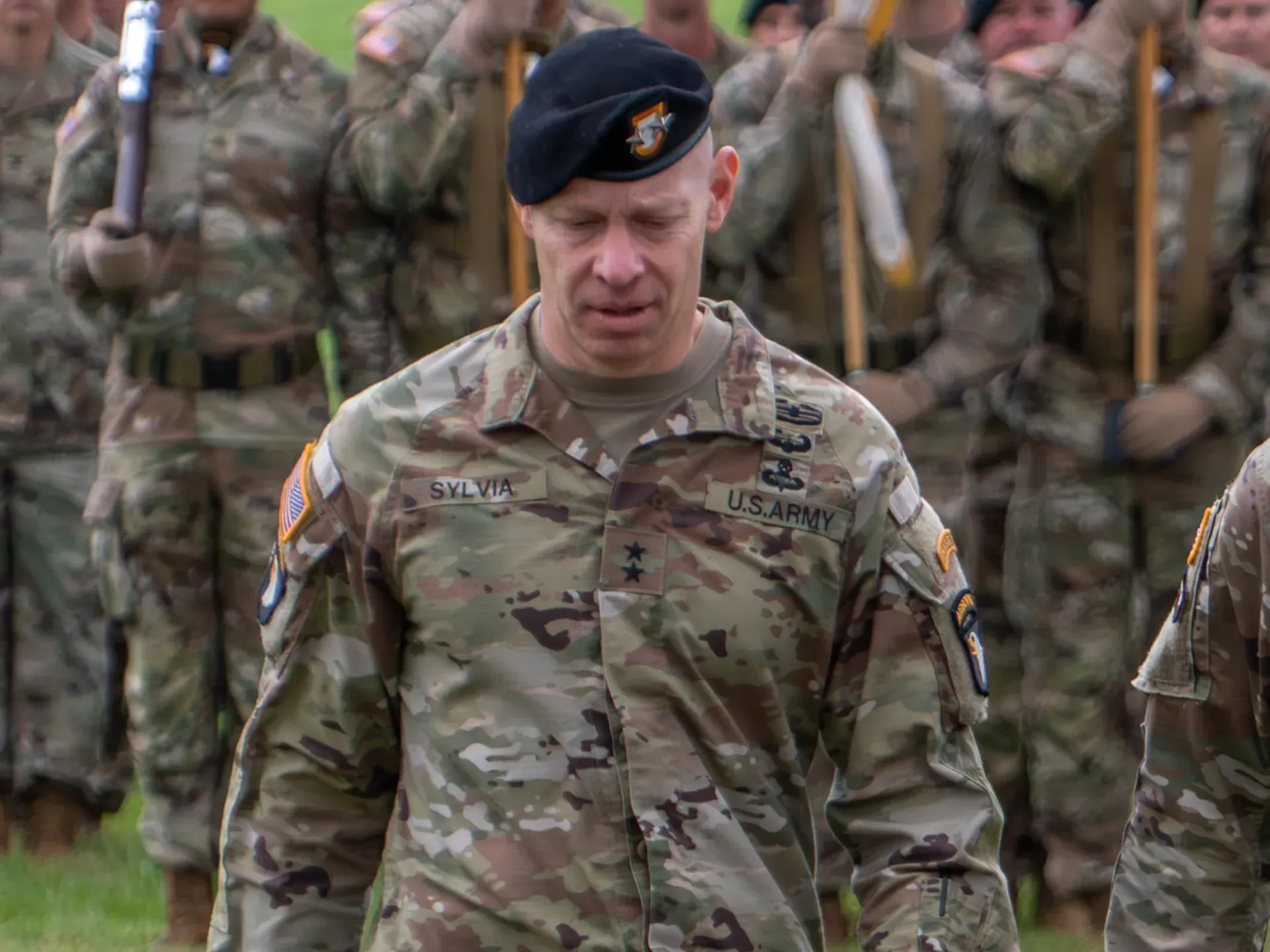
Pentagon fires general for leaking classified information: 2026
The Pentagon fires general Brett Sylvia following allegations of severe misconduct involving the unauthorized disclosure of sensitive data. Lieutenant General Sylvia, the former director of the Strategy, Plans and Policy Directorate at the Joint Chiefs of Staff, is accused of leaking classified information regarding the conflicts in Iran and Ukraine. According to a Department of Defense official, Sylvia met with journalists outside the Pentagon to disseminate protected intelligence. This dismissal occurs amid heightened tensions as the US considers military operations against Iran. This article examines the details of the investigation, the implications for US national security, and the broader context of leadership changes within the Department of Defense.
November 8, 2026
5 min read
Source: ASHENVOW
Why was Lieutenant General Brett Sylvia dismissed from his post?
Lieutenant General Brett Sylvia was removed from his position as the director of the Strategy, Plans and Policy Directorate (J5) due to allegations of leaking classified intelligence to members of the media. The Department of Defense has characterized the actions as severe misconduct that jeopardized national security. According to a Pentagon official, the investigation revealed that Sylvia had been engaging in meetings with journalists outside the Pentagon premises specifically to leak protected information.
The severity of the breach was underscored by the results of internal security protocols. The Pentagon official stated that Sylvia failed three separate polygraph examinations when questioned about the unauthorized disclosure of classified materials. These failures prompted what officials described as an urgent necessity for immediate action to mitigate further risks to national security. The dismissal marks a significant rupture in the high-level leadership of the Joint Chiefs of Staff.
The role of the J5 director
The J5 director is a critical position within the Joint Chiefs of Staff, responsible for overseeing strategic planning, policy development, and long-term military doctrine. As the chief military planner for the Joint Staff, the individual in this role ensures that US military strategy aligns with broader national security objectives and geopolitical realities. The sudden vacancy in this role leaves a significant gap in the Pentagon's strategic architecture during a period of global instability.
What information was allegedly leaked by the general?
The leaked information reportedly concerned two of the most significant ongoing geopolitical conflicts: the war involving Iran and the war between Russia and Ukraine. While the specific details of the documents or conversations remain part of an ongoing investigation, the Pentagon has confirmed that the scope of the leak extends to these sensitive theaters of operation. This exposure is particularly concerning given the strategic importance of intelligence regarding Iranian military movements and the evolving dynamics of the Ukrainian conflict.
The investigation is currently being handled by the Pentagon and has been formally referred to the Department of Justice (DOJ) for potential criminal prosecution. Although Sylvia held a high-ranking position, officials have sought to clarify the extent of his involvement in specific operational planning. A Department of Defense official noted that while Sylvia was the chief military planner for the Joint Staff, he was not the central planner for the Iran war. That specific responsibility rests with the US Central Command (CENTCOM) and its commander, Admiral Brad Cooper.
How does this firing fit into the broader Pentagon leadership changes?
The dismissal of Brett Sylvia is part of a wider trend of leadership restructuring and scrutiny under US Defense Secretary Pete Hegseth. Hegseth has implemented significant changes within the Department of Defense, including a reported 20% reduction in the number of US generals and admirals. The removal of Sylvia is the second time the J5 post has seen a high-profile departure under Hegseth’s tenure; his predecessor was forced into retirement in October 2025.
The current administration has demonstrated a rigorous approach to internal security and personnel management. Hegseth has previously accused various senior officials of leaking information and has conducted broad leak investigations that included the dismissal of three aides from his inner circle last year. These actions appear to be part of a systemic effort to enforce strict discipline and loyalty within the Department of War, as described by Sean Parnel, assistant to the defense secretary for public affairs, who stated on X that the department maintains a "zero tolerance" policy for unauthorized disclosures.
What is the geopolitical context of this security breach?
The timing of the leak and subsequent firing coincides with a period of extreme volatility in the Middle East and Eastern Europe. The US has recently been issuing warnings to allies regarding the potential renewal of military strikes against Iran. President Donald Trump has frequently discussed the necessity of launching new military operations against Iran, following the commencement of a conflict involving Israel eight months prior. The political landscape in the US is also shifting, with the President suggesting that major military actions could follow the midterm elections.
The breach of intelligence regarding Iran and Ukraine carries profound implications for international alliances. If strategic plans or warnings intended for allies are leaked to the media, it can undermine the trust necessary for coordinated military responses. Furthermore, the ongoing conflict in Ukraine requires highly precise intelligence to maintain support and operational effectiveness; any compromise in the flow of classified data can have direct consequences for battlefield outcomes and diplomatic leverage.
Frequently asked questions
Who is Brett Sylvia?
Brett Sylvia is a retired Lieutenant General who served as the director of the Strategy, Plans and Policy Directorate at the Joint Chiefs of Staff. He previously commanded the 101st Airborne Division at Fort Campbell and is a decorated veteran, holding six Bronze Star Medals and a Purple Heart.
What are the consequences for Sylvia moving forward?
The investigation into Sylvia's conduct has been referred to the Department of Justice. This means he may face federal criminal charges related to the unauthorized disclosure of classified information. The Pentagon's internal investigation remains active as the legal process begins.
Who is in charge of the Iran war planning?
While Sylvia was a high-level planner, the central responsibility for the Iran war lies with the US Central Command (CENTCOM). Specifically, the planning and execution are the duties of CENTCOM and its commander, Admiral Brad Cooper.
Has the Pentagon replaced the J5 director?
There is currently no immediate replacement for the director of the Strategy, Plans and Policy Directorate. An official speaking to the Associated Press confirmed that the position remains vacant following Sylvia's sudden dismissal.
What was the reason for the polygraph tests?
The polygraph tests were part of a security investigation into whether classified information had been leaked to the media. Sylvia reportedly failed three of these examinations, which directly contributed to the decision to fire him for misconduct.
Key takeaways
- Lieutenant General Brett Sylvia was fired for allegedly leaking classified data on Iran and Ukraine.
- The Pentagon has referred the case to the Department of Justice for further legal action.
- Sylvia reportedly failed three polygraph tests regarding the unauthorized disclosure of information.
- The dismissal occurs during a period of significant leadership restructuring under Secretary Pete Hegseth.
Conclusion
The dismissal of Lieutenant General Brett Sylvia represents a significant security crisis within the Pentagon, highlighting vulnerabilities in the handling of highly sensitive intelligence. As the Department of Justice takes over the investigation, the focus shifts from internal disciplinary action to potential criminal accountability. The incident occurs at a precarious moment for US foreign policy, with tensions escalating in both the Middle East and Ukraine. The ability of the Department of Defense to restore integrity to its strategic planning processes will be essential as the administration moves toward potential new military operations in the coming months.



