
Ebola in Nigeria: First Bundibugyo strain case confirmed
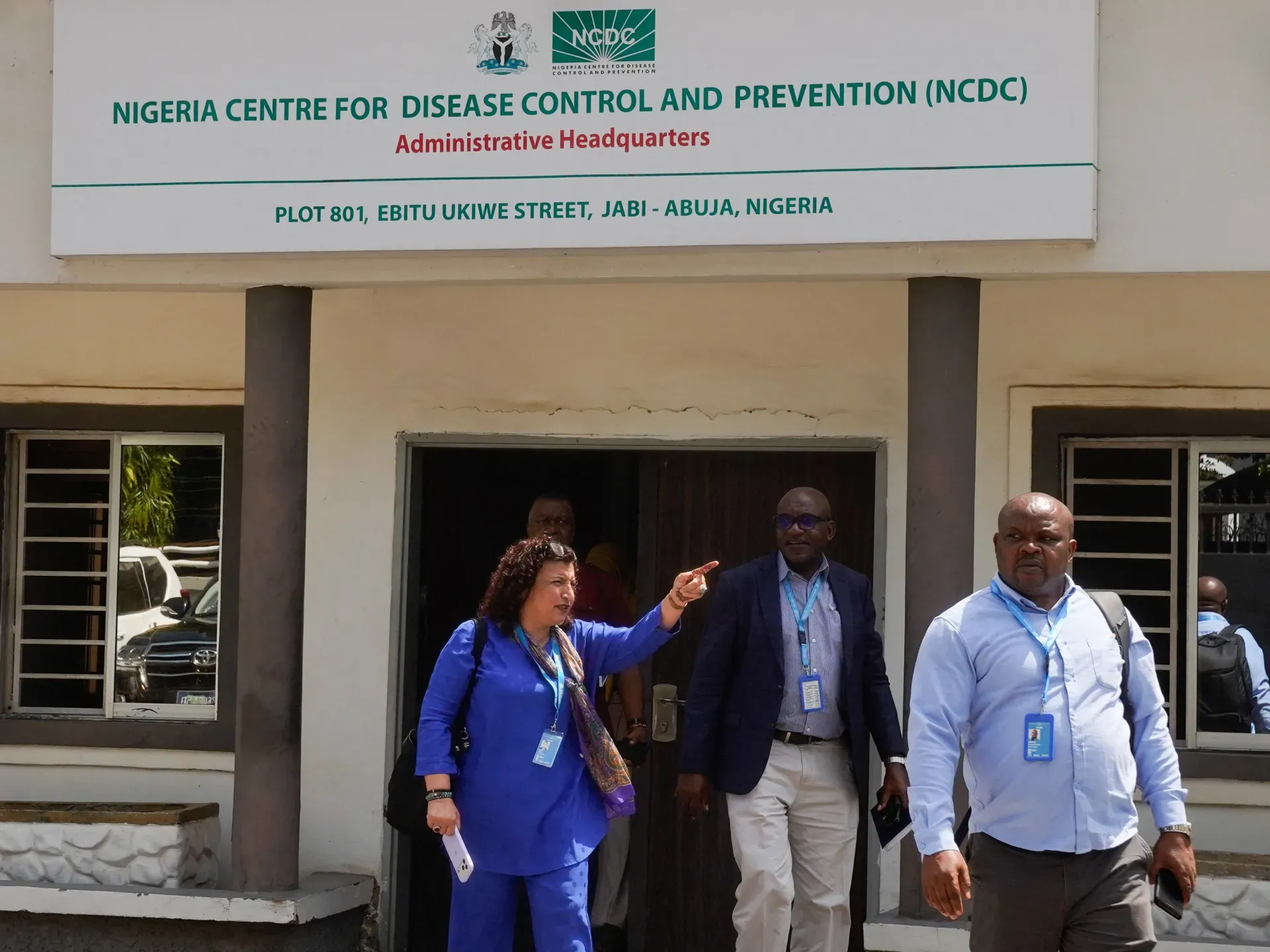
Ebola in Nigeria has been officially confirmed following the detection of the Bundibugyo strain in a patient in Abuja. The Nigeria Centre for Disease Control and Prevention (NCDC) announced on October 21, 2026, that the case matches the strain currently driving a massive outbreak in the Democratic Republic of the Congo (DRC). This marks the first time this specific variant has reached West Africa during the current epidemic. The patient, a diplomat who traveled from Uganda, is reportedly suffering from multi-organ failure. This article examines the clinical details, the contact tracing efforts, and the broader continental health crisis.
October 27, 2026
6 min read
Source: ASHENVOW
What is the nature of the Ebola strain found in Nigeria?
The confirmed case in Nigeria involves the Bundibugyo strain of the Ebola virus, a development that has heightened regional health concerns. According to Olajumoke Babatunde, the director of the public health laboratory service at the NCDC, the diagnosis was reached through three distinct levels of molecular testing. The World Health Organization (WHO) has also verified that the virus is indeed the Bundibugyo variant.
The Bundibugyo strain is particularly concerning to global health authorities because it is currently linked to the deadliest outbreak in the history of the Democratic Republic of the Congo. As of late October 2026, the DRC has recorded more than 9,000 Ebola cases and over 4,000 deaths since mid-May. The arrival of this strain in Nigeria represents a significant geographical shift in the transmission pattern of the current epidemic.
Clinical challenges of the Bundibugyo variant
A critical factor in the management of this case is the lack of medical countermeasures specifically designed for this strain. The WHO has noted that there is currently neither a vaccine nor a specific antiviral treatment available to combat the Bundibugyo variant of Ebola. This limitation places an immense burden on healthcare systems, which must rely on supportive care and rigorous infection prevention protocols to manage infected patients and prevent further transmission.
How did the infection occur and what is the patient's status?
The infection was traced to a female diplomat who traveled from Uganda to Abuja, Nigeria, on October 3, 2026. Although the patient was not believed to have been symptomatic during her flight, her recent travel to Uganda—a country already affected by the outbreak—placed her at high risk. Health officials only began testing her on October 19, following reports of her travel history.
The clinical progression of the patient has been severe. An unnamed official speaking to the AFP news agency reported that the woman’s condition has deteriorated into multi-organ failure. Nigeria's Health Minister, Muhammad Ali Pate, confirmed via the public broadcaster NTA that while the patient is in isolation and receiving medical treatment, her prognosis remains critical. The delay between the onset of illness and the testing phase has raised significant alarms among medical professionals.
What are the risks regarding contact tracing and exposure?
Nigerian authorities have identified 44 individuals who have been in close contact with the infected diplomat, many of whom are healthcare workers. The contact tracing process is currently a primary focus for the NCDC to prevent a localized outbreak from turning into a national epidemic. The list of contacts includes the patient's husband, a Swiss national residing in Abuja, as well as other individuals who may have been exposed through domestic or professional interactions.
Beyond immediate household contacts, officials are working to trace passengers who shared the same flight from Uganda to Nigeria. While the NCDC does not believe the patient was symptomatic during the journey, the period of potential exposure is being meticulously mapped. The inclusion of healthcare workers in the contact list underscores the vulnerability of medical facilities to rapid viral transmission if protocols are not strictly maintained.
The impact of testing delays
Medical experts have highlighted a significant gap in the response timeline. Ayoade Alakija, a Nigerian physician and co-chair of a G7 committee for investment in global health, noted that approximately 12 days elapsed between the patient falling ill and the administration of Ebola tests. This window of time is critical in infectious disease management, as it provides an opportunity for undetected transmission to occur within the community and healthcare settings.
How does this compare to previous Ebola outbreaks in Nigeria?
The current situation evokes memories of the 2014 Ebola outbreak in Nigeria, which began in Lagos and caused widespread international alarm. During that period, the virus was successfully contained within three months, resulting in 20 confirmed infections and eight deaths. However, that localized event was part of a much larger West African epidemic that claimed more than 11,000 lives between 2013 and 2016.
The 2026 outbreak appears to be more geographically dispersed from its outset. While the 2014 event was eventually brought under control through rapid intervention, the current strain's movement across borders suggests a more complex epidemiological landscape. The presence of the virus in Nigeria, alongside nine reported cases in Kenya since October 6, indicates that the epidemic is actively spreading across different regions of the African continent.
What is the continental response to the spreading outbreak?
The Africa Centres for Disease Control and Prevention (Africa CDC) has signaled that the current crisis has moved beyond a localized issue. Director-General Jean Kaseya stated on X that the outbreak is "no longer one country's fight." To address the escalating threat, the Africa CDC is organizing a meeting of health ministers scheduled for next week to coordinate a cross-border response and evaluate the capacity of regional hospitals.
The coordination of international and regional health bodies is essential as the virus moves through West, East, and Central Africa. The primary objectives of the upcoming ministerial meeting include:
- Strengthening cross-border surveillance and response mechanisms.
- Reviewing and increasing hospital capacity to handle high-consequence infectious diseases.
- Coordinating the distribution of resources and medical expertise across affected nations.
- Enhancing communication between national health agencies and the WHO.
As the Bundibugyo strain continues to move through various populations, the ability of African nations to synchronize their containment strategies will likely determine the scale of the upcoming months.
Frequently asked questions
What is the Bundibugyo strain of Ebola?
The Bundibugyo strain is a specific variant of the Ebola virus. It is characterized by its association with major outbreaks in the Democratic Republic of the Congo and is currently spreading across several African nations, including Kenya and Nigeria.
Is there a vaccine for the Bundibugyo Ebola strain?
No, there is currently no vaccine or specific antiviral treatment available for the Bundibugyo strain. Medical professionals must rely on supportive care and strict isolation protocols to manage patients and prevent the spread of the virus.
How many people have been affected in the DRC?
The outbreak in the Democratic Republic of the Congo has been severe. According to reports, there have been more than 9,000 Ebola cases and over 4,000 deaths in the DRC since the outbreak began in mid-May 2026.
Who is at risk of infection in Nigeria?
The primary groups at risk include those in direct contact with the infected individual, such as family members and healthcare workers. Authorities are also monitoring passengers who traveled on the same flight from Uganda to Nigeria.
What is the NCDC doing to manage the situation?
The Nigeria Centre for Disease Control and Prevention is conducting molecular testing, managing the isolation of the infected patient, and performing intensive contact tracing for the 44 identified contacts to contain the virus.
Key takeaways
- Nigeria has confirmed its first case of the Bundibгуо strain of Ebola in Abuja.
- The patient is a diplomat who traveled from Uganda and is suffering from multi-organ failure.
- There are currently no vaccines or specific treatments available for the Bundibugyo variant.
- Forty-four contacts, including healthcare workers, are currently being monitored by the NCDC.
- The Africa CDC is convening health ministers to coordinate a continental response.
The path toward containment
The confirmation of the Bundibugyo strain in Nigeria marks a critical juncture in the current African Ebola epidemic. While the NCDC has moved swiftly to identify contacts and isolate the patient, the lack of specific medical treatments and the reported delay in initial testing present significant hurdles. The success of the containment effort will depend on the speed of contact tracing and the ability of African nations to implement the coordinated, cross-border strategies proposed by the Africa CDC. As the virus demonstrates its ability to traverse borders, the focus must remain on strengthening regional hospital capacities and surveillance networks to prevent a repeat of the devastating 2014 epidemic.



