
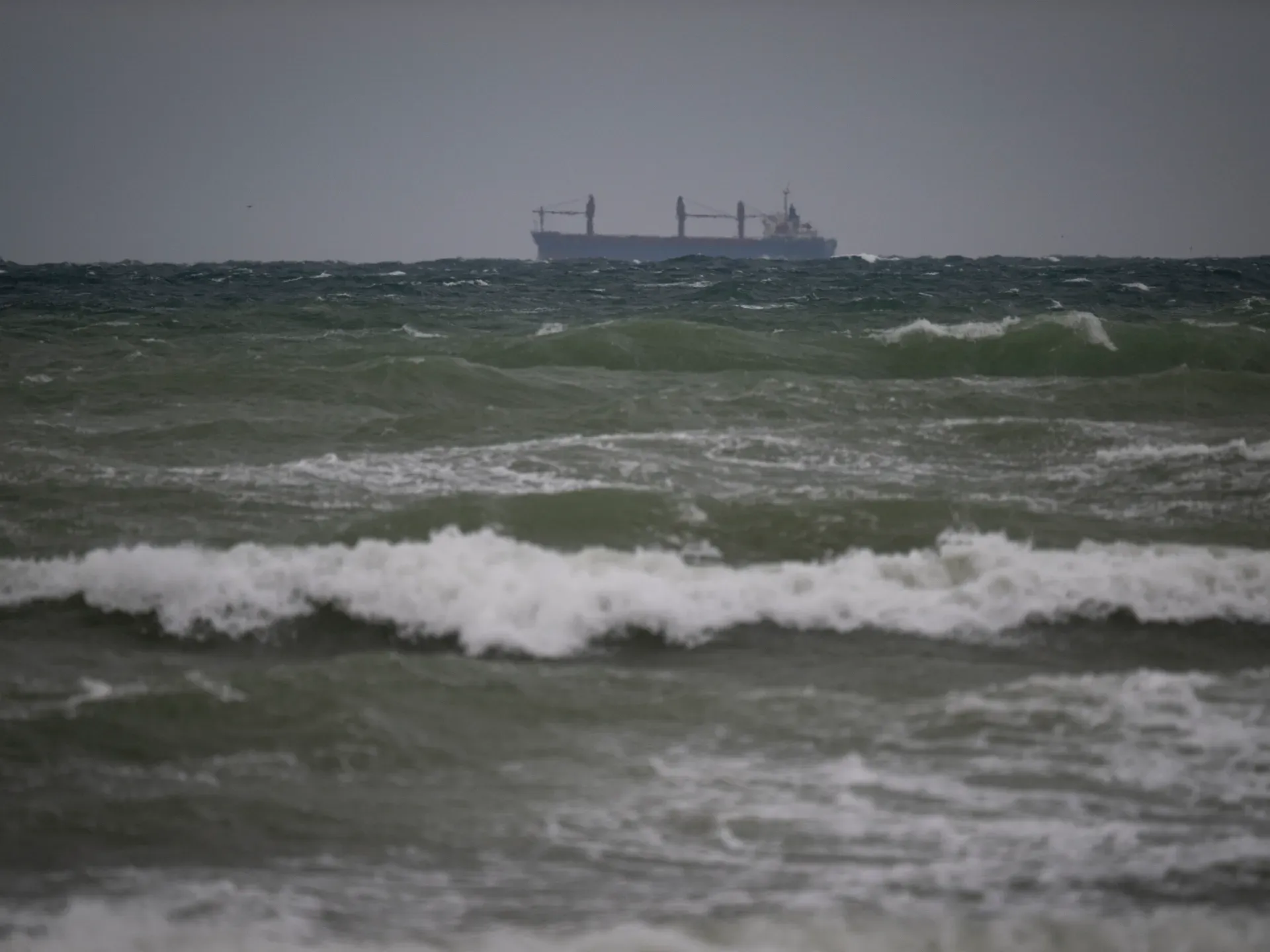
NATO Black Sea patrol planes: Deployment follows deadly drone strikes
NATO is deploying additional patrol aircraft and intelligence personnel to the Black Sea in response to a series of lethal drone attacks targeting maritime vessels. According to NATO spokesman Colonel Martin O’Donnell on October 20, 2026, the alliance will increase situational awareness through maritime patrol aircraft, radar systems, and intelligence assets. The move follows reports of at least five cargo vessels being struck near Romania and Bulgaria, resulting in at least 23 sailors reported missing or dead. This article examines the scale of the recent maritime attacks, NATO's strategic response, and the implications for global food security.
October 27, 2026
5 min read
Source: ASHENVOW
Why is NATO deploying additional patrol planes to the Black Sea?
NATO is intensifying its maritime presence to counter a surge in drone-related maritime incidents that have threatened regional stability and shipping safety. The alliance intends to bolster its ability to monitor the Black Sea through a multi-layered approach involving both hardware and human intelligence.
Colonel Martin O’Donnell, a NATO spokesman, confirmed on Tuesday that the alliance will deploy a variety of assets to the region. These include maritime patrol aircraft, advanced radar systems, explosive exploitation teams, and specialized intelligence personnel. The deployment also encompasses the use of drones to enhance surveillance capabilities.
The primary objective of this deployment is to improve situational awareness. As O’Donnell noted, the most critical action the alliance can take is to increase the density of sensors and the speed of data sharing. By creating a more transparent operational picture, NATO aims to detect and respond to potential threats more effectively before they escalate into maritime disasters.
Strengthening the Eastern Flank
The deployment is part of a broader effort to secure NATO’s eastern flank. NATO spokeswoman Allison Hart stated that the alliance has already been working to strengthen its posture in this sector, specifically focusing on counter-drone capabilities. This proactive stance is a direct reaction to the increasing frequency and lethality of unmanned aerial vehicle (UAV) operations in international and territorial waters.
What is the impact of the recent drone attacks on maritime security?
The recent wave of drone strikes has caused significant loss of life and physical damage to commercial shipping, creating a high-risk environment for maritime commerce. The attacks have targeted various types of vessels, including cargo ships and chemical tankers, along the coasts of Romania and Bulgaria.
The scale of the human and material toll is substantial. Within a 10-day period, at least five cargo vessels were struck near the coasts of Romania and Bulgaria. Reports indicate that at least 23 sailors have been killed or reported missing during these incidents. One specific attack on October 5 in Romanian waters resulted in two deaths after a ship caught fire and sank.
The attacks also pose a severe risk to environmental and industrial safety. Last week, two chemical tankers near the Romanian coast were struck by drones, causing them to burst into flames. This incident left seven sailors missing and raised urgent concerns regarding the safety of vital shipping routes used by Ukraine for essential exports.
How do these attacks affect global food security and the economy?
The drone strikes in the Black Sea are viewed by international diplomats as a strategic attempt to disrupt the global grain supply chain. By targeting the shipping routes used for Ukrainian agricultural exports, the attacks create a bottleneck that threatens international food stability.
European Union top diplomat Kaja Kallas characterized the six attacks occurring within a 10-day window as a "dangerous and unacceptable escalation." Kallas suggested that the Kremlin is likely attempting to choke off the revenue Kyiv receives from grain exports. This tactic targets the economic lifeline of Ukraine while simultaneously leveraging food as a geopolitical tool.
The maritime instability is occurring during a period of heightened global vulnerability. Kallas warned that these strikes are contributing to a "perfect storm" for global food supplies. This volatility is compounded by existing environmental and geopolitical pressures, including widespread droughts in multiple regions and the ongoing conflict in the Middle East.
The Economic Implications for Ukraine
For Ukraine, the security of the Black Sea is not merely a matter of national defense but a fundamental requirement for economic survival. The ability to export grain through these waters is a primary source of foreign revenue. Continued disruption by drones increases insurance premiums for shipping companies, slows transit times, and ultimately reduces the volume of goods that can safely reach global markets.
Who is being held responsible for the maritime strikes?
While military analysts and political leaders have pointed toward Russia, NATO and regional partners have maintained a cautious official stance regarding direct attribution. The Kremlin has denied any involvement in the drone attacks.
The attribution of these strikes remains a complex diplomatic and intelligence challenge. NATO, alongside Bulgaria and Romania, has not officially named a specific country as the perpetrator of the recent spate of attacks. However, the consensus among military analysts is that Russia is almost certainly responsible for the operations.
President Volodymyr Zelenskyy of Ukraine has explicitly accused Moscow of being responsible for the attacks. The lack of official attribution from NATO and the EU allows for a level of diplomatic maneuvering, but the reality on the ground—characterized by deadly strikes on vessels near NATO territory—has forced a significant military response from the alliance.
FAQ: NATO Black Sea maritime security
What specific assets is NATO sending to the Black Sea?
NATO is deploying a diverse range of maritime and intelligence assets. According to Colonel Martin O’Donnell, these include maritime patrol aircraft, radar systems, explosive exploitation teams, intelligence personnel, and drones. The goal is to increase sensors and data sharing to improve situational awareness.
How many people have been affected by the recent drone attacks?
The recent attacks have had a devastating human cost. Reports indicate that at least 23 sailors have been reported missing or killed following strikes on at least five cargo vessels near Romania and Bulgaria. One specific incident in Romania resulted in two deaths.
Why is the Black Sea shipping route important for global food?
The Black Sea is a vital corridor for Ukrainian grain exports. Kaja Kallas noted that the attacks likely aim to choke off revenue from these exports. Disruptions here contribute to a "perfect storm" affecting global food supplies already strained by droughts and other conflicts.
Has Russia acknowledged responsibility for the drone strikes?
No, the Kremlin has denied responsibility for the drone attacks. While military analysts suggest Russia is almost certainly behind the strikes, and President Zelenskyy has accused Moscow, NATO and regional partners have not yet issued a formal direct attribution.
What is the significance of the attacks on chemical tankers?
The strikes on chemical tankers near Romania represent a major escalation in risk. These attacks, which left seven sailors missing, raise serious concerns about environmental hazards and the safety of vital shipping lanes used for international trade and Ukrainian exports.
Key takeaways
- NATO is deploying patrol aircraft and intelligence assets to increase Black Sea situational awareness.
- At least 23 sailors have been reported missing or killed in recent maritime drone attacks.
- The strikes have targeted at least five cargo vessels near Romania and Bulgaria.
- Diplomats warn the attacks may be a strategic attempt to disrupt global food supplies.
Conclusion
The escalation of drone warfare in the Black Sea represents a critical shift in regional maritime security, moving from traditional naval tensions to high-frequency, lethal asymmetric attacks on commercial shipping. The deployment of NATO patrol aircraft and intelligence assets is a necessary step to mitigate the immediate risks to life and commerce. However, the underlying drivers—geopolitical attempts to disrupt Ukrainian economic stability and global food security—remain unaddressed. As the alliance strengthens its eastern flank, the stability of the Black Sea shipping routes will continue to be a primary indicator of the broader conflict's impact on the international order.



