
NASA astronauts voting from space: Orbital ballots
NASA astronauts voting from space has become a modern reality during the 2026 midterm elections. Three crew members currently aboard the International Space Station (ISS) successfully cast their ballots from orbit, utilizing secure digital channels to connect their orbital residence to terrestrial election offices. This article examines the technical journey of an electronic ballot from the ISS to ground officials and the historical precedent for orbital voting. Furthermore, we analyze how encrypted satellite links prevent interception, ensuring that every vote cast in microgravity remains as secure and verifiable as those cast on the ground.
November 8, 2026
3 min read
Source: ASHENVOW
The 2026 orbital voting experience
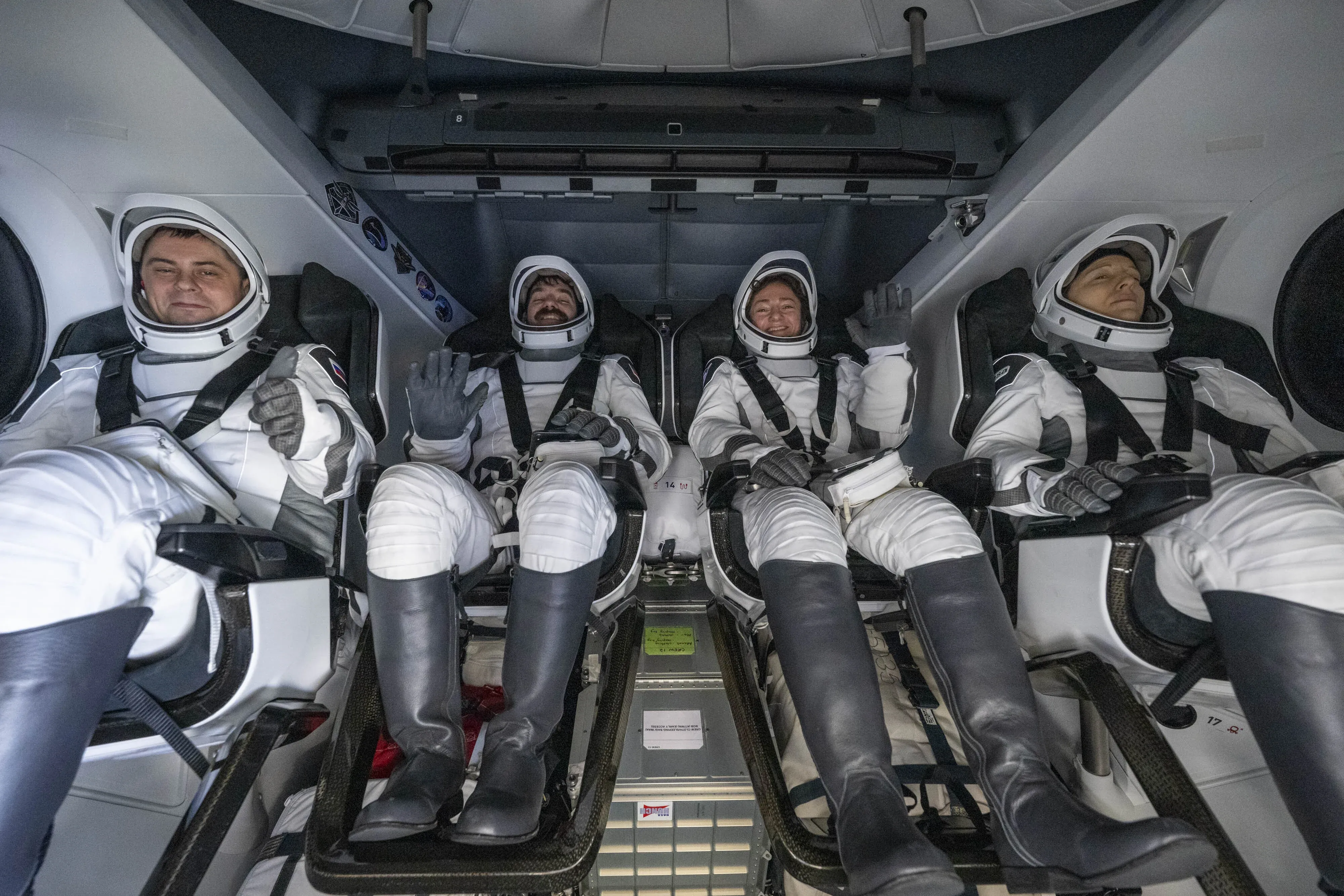
Three NASA astronauts successfully participated in the 2026 midterm elections while stationed aboard the International Space Station. Astronaut Anil Menon provided a glimpse into this unique democratic process by sharing a video on X, which demonstrated his voting setup within the cramped confines of his sleeping compartment. According to Menon, the crew members completed an electronic ballot and transmitted it securely to election officials in Harris County, Texas.
Menon was not alone in this endeavor; fellow astronauts Jessica Watkins and Luke Delaney also exercised their right to vote from the station. The process highlights how even the most extreme environments can be integrated into the standard democratic framework through specialized technological workarounds.
The technical journey of a space-based ballot
Sending a vote from orbit to a local election office requires a sophisticated multi-step communication chain. The process begins when astronauts request an absentee ballot via a Federal Post Card Application. Once the electronic ballot is prepared on the ISS, it enters a complex relay system designed to bridge the gap between Earth and low Earth orbit.
According to NASA, the ballot first travels through the agency’s Near Space Network, which manages essential communications for the station. From there, the data is passed through NASA's Tracking and Data Relay Satellite System. The signal is then directed to a ground antenna located in New Mexico. After hitting the ground, the information moves to Mission Control in Houston before finally being delivered to the specific county clerk responsible for the election. To ensure integrity, NASA states that these ballots are encrypted, meaning they remain accessible only to the individual astronaut and the designated clerk.
A long history of orbital democracy
While the technology used in 2026 is highly advanced, the concept of voting from space is not a recent development. Texas lawmakers established the legal framework necessary to allow astronauts to vote from orbit as far back as 1997. This legislative foresight ensured that space exploration would not result in the disenfranchisement of crew members serving on long-duration missions.
The first person to utilize this capability was NASA astronaut David Wolf. In 1997, Wolf became the first American to cast a vote while stationed aboard the Russian Mir space station. Nearly three decades after Wolf's historic vote, the mission of the International Space Station continues to include the duty of participating in Earth-based civic processes, proving that the reach of democracy extends well beyond the atmosphere.
FAQ
How do NASA astronauts receive their ballots?
Astronauts obtain their ballots by requesting an absentee ballot through a Federal Post Card Application. This allows them to participate in elections from the International Space Station or other orbital platforms, ensuring they can fulfill their civic duties while serving on long-term space missions.
Is voting from the International Space Station secure?
Yes, the voting process is highly secure. According to NASA, the electronic ballots are encrypted during transmission. This encryption ensures that the data remains private and is only accessible to the specific astronaut casting the vote and the authorized election clerk on the ground.
What is the path of a ballot from space to Earth?
The ballot travels from the ISS through the Near Space Network and the Tracking and Data Relay Satellite System. It then reaches a ground antenna in New Mexico, moves to Mission Control in Houston, and is finally delivered to the appropriate county clerk's office.



