
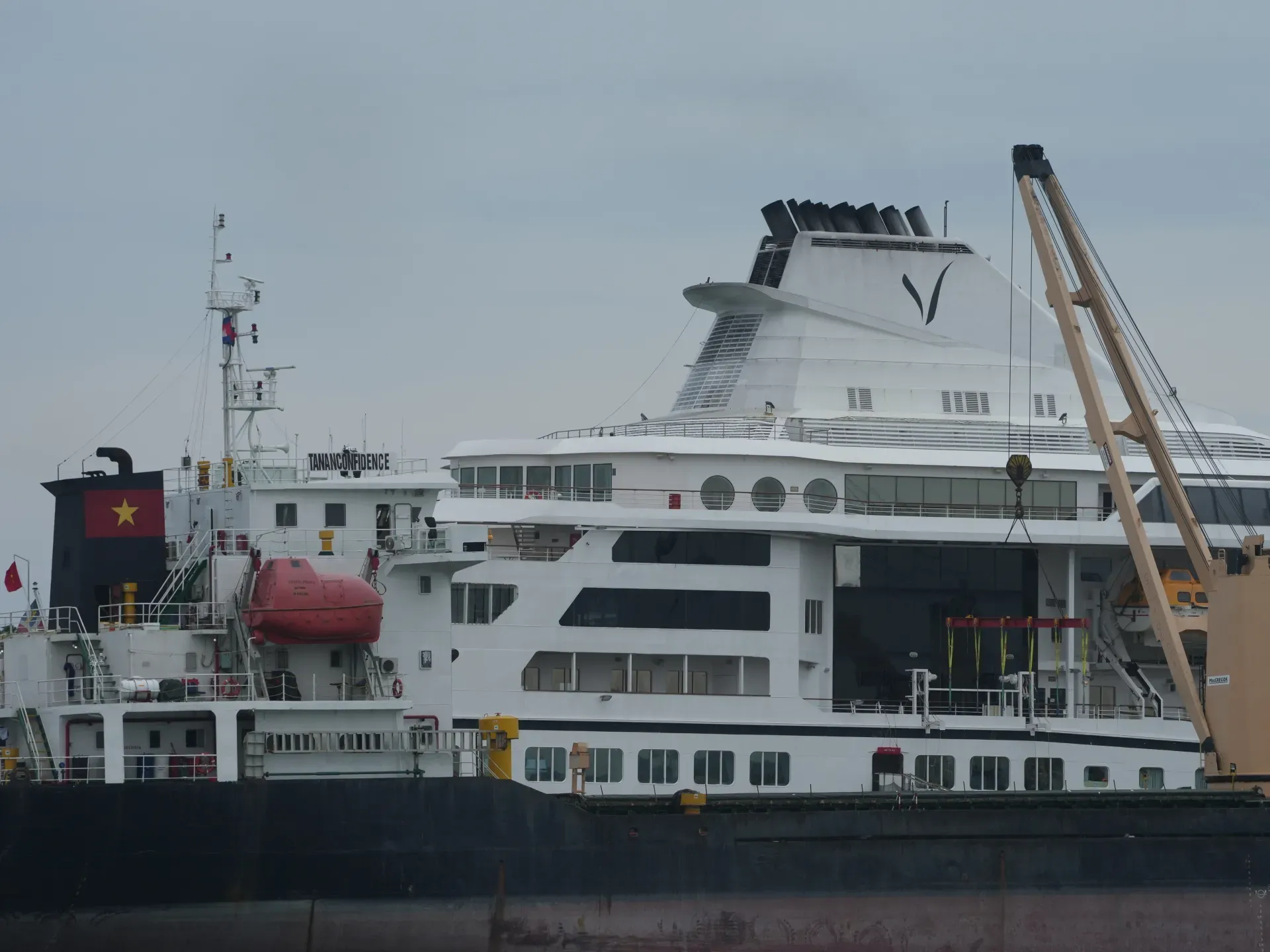
MV Odyssey cruise ship suspension: Fuel costs halt multi-year voyage
The MV Odyssey cruise ship suspension in Cambodia has left hundreds of passengers stranded after a multi-year global voyage was abruptly halted due to skyrocketing fuel expenses. Operated by Florida-based Villa Vie Residences, the vessel arrived at the Sihanoukville Autonomous Port on Friday, October 24, 2026, following a sudden decision to suspend operations. Monthly fuel costs per cabin have surged from an average of $1,800 to as much as $8,000 in Asian waters. This article examines the financial drivers behind the suspension, the impact of geopolitical tensions on fuel supplies, and the situation facing the 203 passengers and 156 crew members.
November 8, 2026
5 min read
Source: ASHENVOW
Why did the MV Odyssey suspend its voyage in Cambodia?
The primary driver behind the MV Odyssey cruise ship suspension is the unsustainable increase in operational costs, specifically regarding fuel consumption. Villa Vie Residences, the Florida-based operator, reported that monthly fuel expenses per cabin—which historically averaged approximately $1,800—have escalated to an estimated range of $6,000 to $8,000 while navigating parts of Asia.
The company attempted several mitigation strategies to manage these rising overheads before deciding to halt the voyage. These measures included reducing the ship's speed to lower fuel consumption and increasing the duration of port stays to minimize time spent at sea. However, these adjustments proved insufficient to offset the massive price hikes. In a statement released on Tuesday, Villa Vie Residences noted that the company could no longer absorb the resulting operating losses, while simultaneously stating that passing the entirety of these costs onto the residents was not a viable solution.
How are geopolitical tensions impacting maritime fuel prices?
The surge in fuel costs is directly linked to broader geopolitical instability, specifically the ongoing United States-Israel war on Iran. This conflict has significantly impacted maritime logistics and energy markets, creating a ripple effect that has reached Southeast Asian ports like Sihanoukville.
According to the report, traffic through the Strait of Hormuz has been curtailed as a result of the conflict. Because the Strait of Hormuz is a critical chokepoint for global petroleum supplies, the reduction in traffic has squeezed the availability of petroleum-based fuels. This scarcity has driven up prices globally, with a particularly acute impact felt in Southeast Asia, where the MV Odyssey is currently docked. The volatility in the energy market has transformed what was once a predictable operational expense into a primary threat to the viability of long-term residential cruising.
The role of the Strait of Hormuz in fuel volatility
The Strait of Hormuz serves as one of the world's most vital maritime arteries for oil transit. When conflict disrupts the flow of tankers through this corridor, the immediate result is a contraction in the global supply of refined petroleum products. For specialized vessels like the MV Odyssey, which require consistent refueling schedules to maintain long-distance itineraries, these supply shocks translate directly into extreme price volatility. The current situation demonstrates how localized conflicts in the Middle East can rapidly destabilize the economic models of maritime businesses thousands of miles away in Cambodia.
What is the impact on the passengers and crew?
The sudden suspension has created significant logistical and emotional hardship for the 203 passengers and 156 crew members currently on board. Most of the passengers are American citizens who had invested in the concept of residential cruising as a long-term lifestyle choice.
Reports from the scene indicate a chaotic disembarkation process. Some passengers claimed they were given as little as seven hours of notice before being required to leave the vessel, forcing them to secure their own accommodation in Sihanoukville on short notice. Beyond the immediate logistical issues, there are growing concerns regarding the management of the voyage. Some residents, including Paul and Lynn Montoya—a retired couple from Wyoming who have been on board for 17 months—have reported a decline in service quality, including unreliable internet access and deteriorating food standards. Furthermore, allegations of financial mismanagement and unpaid crew members have surfaced among the residents.
The human cost of residential cruising failures
For many passengers, the MV Odyssey was not just a vacation but a significant life investment. Some residents, such as 69-year-old Carol Larson, purchased their cabins for $120,000 through installment plans. While some passengers express regret over the instability, others remain hopeful that a new operator or a resident-led initiative could eventually resume the voyage. The uncertainty regarding a confirmed departure date leaves these individuals in a state of limbo, caught between their financial commitments and the reality of a suspended voyage.
What is the history and business model of the MV Odyssey?
The MV Odyssey represents an ambitious experiment in "residential cruising," a model where passengers purchase long-term living quarters on a vessel rather than booking traditional short-term cruises. The ship, which was built in 1993, was acquired by Villa Vie Residences in 2023 to facilitate this multi-year global itinerary.
The voyage originally commenced in Belfast, Northern Ireland, in October 2024, with an initial plan to last three and a half years. The business model relied on selling lifetime-vessel suites, with initial prices starting at approximately $230,000. This model assumes a level of predictable operating cost that has been shattered by the current energy crisis. While the ship was expected to refuel and depart on Saturday, the operator has yet to provide a public confirmation of a new departure date, leaving the future of the business model in question.
Frequently asked questions
Why is the MV Odyssey stuck in Cambodia?
The ship is unable to continue its voyage because the cost of fuel has become too high to sustain. Monthly fuel expenses per cabin have risen from $1,800 to between $6,000 and $8,000, leading Villa Vie Residences to suspend operations to avoid further operating losses.
How many people are affected by the suspension?
According to Cambodian officials, the ship is currently carrying 203 passengers, the majority of whom are Americans, and 156 crew members. The suddenness of the suspension has forced many to find their own accommodation in the Sihanoukville area.
What caused the spike in fuel prices?
The spike is attributed to the United States-Israel war on Iran, which has restricted traffic through the Strait of Hormuz. This has caused a squeeze in petroleum-based fuel supplies, driving up prices particularly heavily in the Southeast Asian region.
How much did the cabins cost?
The residential cruising model offered lifetime-vessel suites with initial prices starting at approximately $230,000. Some individual cabins, such as those purchased by residents, were reportedly bought in installments for amounts such as $120,000.
Is there a confirmed date for the ship to leave?
There is currently no confirmed departure date. While Cambodian officials indicated the ship was expected to refuel and depart on Saturday, the operator, Villa Vie Residences, has not publicly confirmed when the voyage will resume.
Key takeaways
- Fuel costs per cabin on the MV Odyssey rose from $1,800 to as much as $8,000 monthly.
- Geopolitical conflict in the Middle East has restricted fuel supplies via the Strait of Hormuz.
- The ship is currently docked at the Sihanoukville Autonomous Port in Cambodia.
- The vessel is carrying 203 passengers and 156 crew members following the suspension.
- The MV Odyssey was originally scheduled for a three-and-a-half-year voyage starting in October 2024.
Conclusion
The suspension of the MV Odyssey in Cambodia highlights the extreme vulnerability of niche maritime business models to global geopolitical shifts. What began as a pioneering experiment in residential cruising has been brought to a standstill by the volatility of the energy market and the disruption of critical supply routes like the Strait of Hormuz. As hundreds of passengers and crew face an uncertain future in Sihanoukville, the incident serves as a stark reminder of how localized conflicts can trigger profound economic consequences for travelers and operators on the other side of the globe.



