
Michigan US Senate race: El-Sayed vs Rogers 2026 analysis
The Michigan US Senate race is a central battleground in the 2026 US midterm elections, potentially determining the balance of power in the Senate. Democrat Abdul El-Sayed is competing against Republican Mike Rogers to succeed the retiring Senator Gary Peters. According to a New York Times/Siena poll, El-Sayed held an 11-point lead over Rogers heading into Election Day. The outcome is critical for Democrats, who require four additional seats to reclaim Senate control and limit the influence of the Trump administration. This article examines the candidates, the impact of recent endorsements, and the role of controversial rhetoric in this high-stakes contest.
November 8, 2026
5 min read
Source: ASHENVOW
How does the Michigan US Senate race affect national Senate control?
The Michigan US Senate race serves as a vital barometer for the broader 2026 US midterm elections and the future of the legislative chamber. For the Democratic Party, the contest is part of a larger strategic necessity to secure at least four additional seats to wrest control of the Senate away from the Republican majority. Winning this seat would provide a mechanism to check the policies of the Trump presidency.
The race is characterized by a clash of political philosophies and voter priorities. Mike Rogers, a former congressman and close ally of President Donald Trump, represents the Republican effort to maintain their foothold in the Senate following a narrow loss in his 2024 bid. Conversely, Abdul El-Sayed, the former head of Detroit’s health department, represents a progressive shift within the Democratic Party, campaigning on platforms such as Medicare for All.
The strategic importance of Michigan
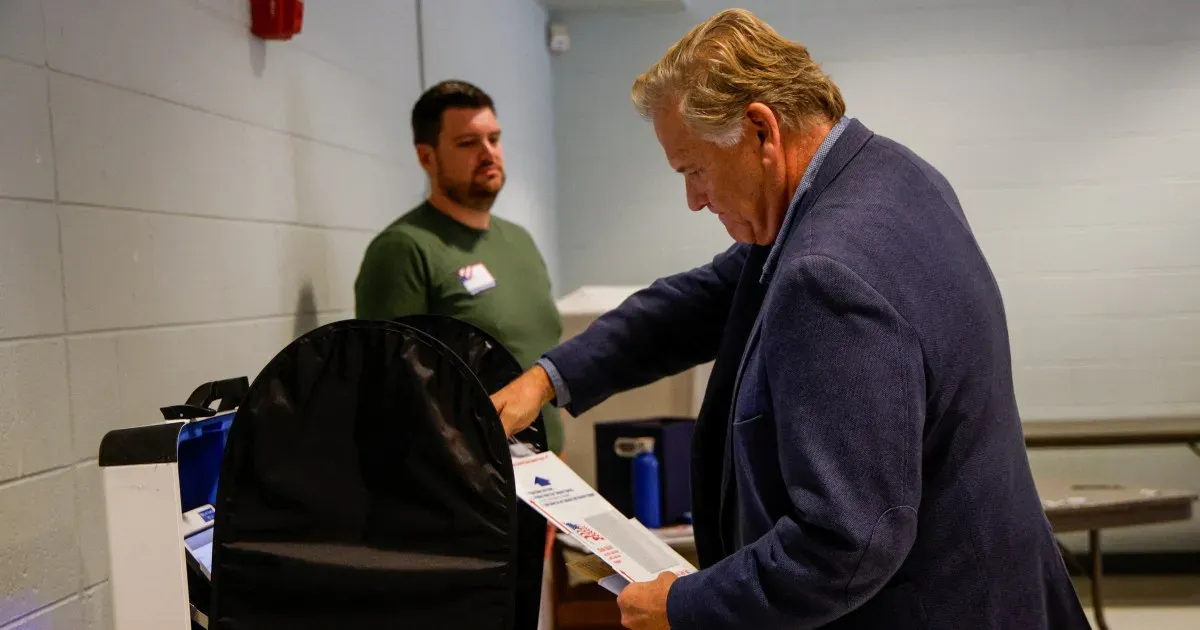
As a key swing state, Michigan's electoral outcome often reflects national political shifts. The intensity of the race is heightened by the presence of US Department of Justice election monitors, a historic first for the United States, which are stationed across all 50 states to oversee the voting process.
What are the key differences between Abdul El-Sayed and Mike Rogers?
The candidates offer starkly different visions for the role of the United States in domestic and international affairs. Abdul El-Sayed, the son of Egyptian immigrants, has built a platform focused on progressive social safety nets and a critical stance on certain aspects of US foreign policy, particularly regarding Israel. He has argued that US financial aid to Israel should be redirected toward domestic needs and has characterized the situation in Gaza as genocide.
Mike Rogers is positioning himself as a candidate of stability and traditional Republican values, aiming to "save" the state. His campaign has leveraged criticisms of El-Sayed's foreign policy positions, with supporters labeling the Democrat an "extremist." Rogers seeks to capitalize on his previous political experience to regain a seat in Washington after his recent electoral setbacks.
| Feature | Abdul El-Sayed (Democrat) | Mike Rogers (Republican) |
|---|---|---|
| Background | Former Detroit Health Dept. Head | Former Congressman |
| Core Platform | Medicare for All; Progressive reform | Traditional Republicanism; Trump ally |
| Foreign Policy | Critical of US aid to Israel | Aligns with Trump administration |
| Polling Trend | 11-point lead (NYT/Siena) | Trailing in recent polls |
How has the Haley Stevens endorsement impacted the election?
A significant political rift emerged in the final days of the campaign when Congresswoman Haley Stevens endorsed the Republican candidate, Mike Rogers. Stevens, a Democrat, had previously engaged in a contentious primary battle with El-Sayed in August. Her decision to support Rogers was framed by her as "choosing country over hate," a move deeply tied to her staunch support for Israel and her opposition to El-Sayed's rhetoric regarding the conflict in Gaza.
The financial implications of this defection have been substantial. Following her loss to El-Sayed, a majority of Stevens' large donors reportedly shifted their financial support to a Republican group backing Rogers, contributing $9 million according to The New York Times. This move highlights the intense influence of interest groups like the American Israel Public Affairs Committee (AIPAC), which spent over $30 million to support Stevens during the primary.
Democratic leadership response
Despite the defection, Democratic Senate Minority Leader Chuck Schumer has remained steadfast in his support for El-Sayed. When questioned about whether Stevens' endorsement could shift the momentum toward the Republicans, Schumer dismissed the impact, stating that "Haley Stevens is one vote." Schumer's strategy focuses on El-Sayed's ability to connect with Michiganders regarding economic issues, specifically the rising costs of living.
What role has inflammatory rhetoric played in the campaign?
The campaign has been marked by intense and often personal attacks, particularly directed at Abdul El-Sayed's religious and ethnic background. Republican advertisements have frequently attempted to link El-Sayed to radicalism, a narrative that has been amplified by President Donald Trump. The President has used various platforms, including Truth Social and Fox News, to cast El-Sayed in a negative light, using terms such as "jihadist" and "lunatics."
On Election Day, Trump's rhetoric intensified, with posts on Truth Social claiming that El-Sayed holds animosity toward various demographic groups in the US. During a Fox News interview, the President also linked El-Sayed to the debate over US financial aid to Israel, suggesting that the country should not suffer "slings from lunatics like an El-Sayed."
These attacks have turned the race into a test of whether a progressive candidate with a controversial stance on Middle Eastern geopolitics can successfully navigate a swing state while facing high-level personal scrutiny. The El-Sayed campaign has countered these narratives by focusing on an upbeat message of possibility, even utilizing campaign videos featuring former President Barack Obama to bolster his standing.
Frequently asked questions
Who are the main candidates in the Michigan US Senate race?
The race features Democrat Abdul El-Sayed, the former head of Detroit's health department, and Republican Mike Rogers, a former congressman and ally of Donald Trump. They are competing to fill the seat vacated by retiring Democratic Senator Gary Peters.
What is the current polling status of the race?
As of the most recent New York Times/Siena poll heading into Election Day, Abdul El-Sayed held an 11-point lead over Mike Rogers. However, the final outcome remains uncertain due to the closely contested nature of the midterm elections.
Why did Haley Stevens endorse Mike Rogers?
Congresswoman Haley Stevens endorsed Rogers due to fundamental disagreements with El-Sayed's opposition to US support for Israel. She characterized her decision as "choosing country over hate," following a heated primary battle between the two Democrats earlier in the year.
How has Donald Trump influenced this election?
President Trump has actively campaigned for Mike Rogers by using inflammatory rhetoric against El-Sayed. Through social media and interviews, Trump has characterized El-Sayed as a radical and a "jihadist," attempting to influence voters through personal attacks and criticisms of El-Sayed's foreign policy views.
Will there be oversight during the voting process?
Yes, the US Department of Justice has announced that election monitors will be present at polling stations in Michigan and all other 50 states. This represents a historic first in the history of United States elections to ensure monitoring across the entire country.
Key takeaways
- Abdul El-Sayed held an 11-point lead over Mike Rogers in recent polling.
- The race is critical for Democrats seeking to reclaim Senate control.
- Haley Stevens' endorsement of Rogers shifted significant donor funding.
- The DOJ is providing unprecedented nationwide election monitoring.
Conclusion
The Michigan US Senate race stands as a pivotal moment in the 2026 midterm elections, embodying the deep ideological divisions currently defining American politics. With the potential to shift the balance of power in the Senate, the contest between Abdul El-Sayed and Mike Rogers transcends local interests, touching on national debates regarding foreign aid, progressive reform, and the impact of personal rhetoric in campaigning. As voters cast their ballots, the outcome will provide a clear indication of the electorate's direction regarding the Trump administration and the future of progressive influence in the United States government.



