
Measles outbreak in Pennsylvania: A global health threat
The measles outbreak in Pennsylvania represents the most significant resurgence of the virus in the United States since its official elimination in 2000. State officials have documented over 1,200 cases and more than 240 hospitalisations across 42 counties this year, alongside at least three reported deaths. This spike follows a decline in US kindergartner vaccination rates from 95.2% in 2019-2020 to 92.4% in the 2025-2026 period. This article examines the drivers of the Pennsylvania outbreak, the challenges of vaccine scepticism in local communities, and the potential impact on international measles elimination status.
October 27, 2026
5 min read
Source: ASHENVOW
Why is the measles outbreak in Pennsylvania so severe?
Pennsylvania has become a focal point for the virus, prompting the state to request emergency assistance from the CDC in September 2024. The scale of the current crisis is evidenced by more than 1,200 confirmed cases and 240 hospitalisations spread across 42 different counties. The severity is compounded by administrative complexities, as state and federal health officials have engaged in disagreements regarding the classification of measles-associated deaths.
The resurgence is partly attributed to a sense of complacency following decades of success. Matt Ferrari, director of Pennsylvania State University’s Center for Infectious Disease Dynamics, noted that the US was so effective at eradicating the virus that the nation had the luxury to forget the severity of the disease. This loss of collective memory regarding the dangers of measles has coincided with a measurable drop in immunization levels.
The decline in immunization coverage
Data indicates a clear downward trend in the protection levels of the youngest populations. During the 2019-2020 school year, vaccination coverage among US kindergartners stood at 95.2%. However, by the 2025-2026 school year, this figure had fallen to 92.4%. This decline undermines the threshold required for herd immunity, leaving the population vulnerable to rapid transmission.
How does vaccine scepticism affect local communities?
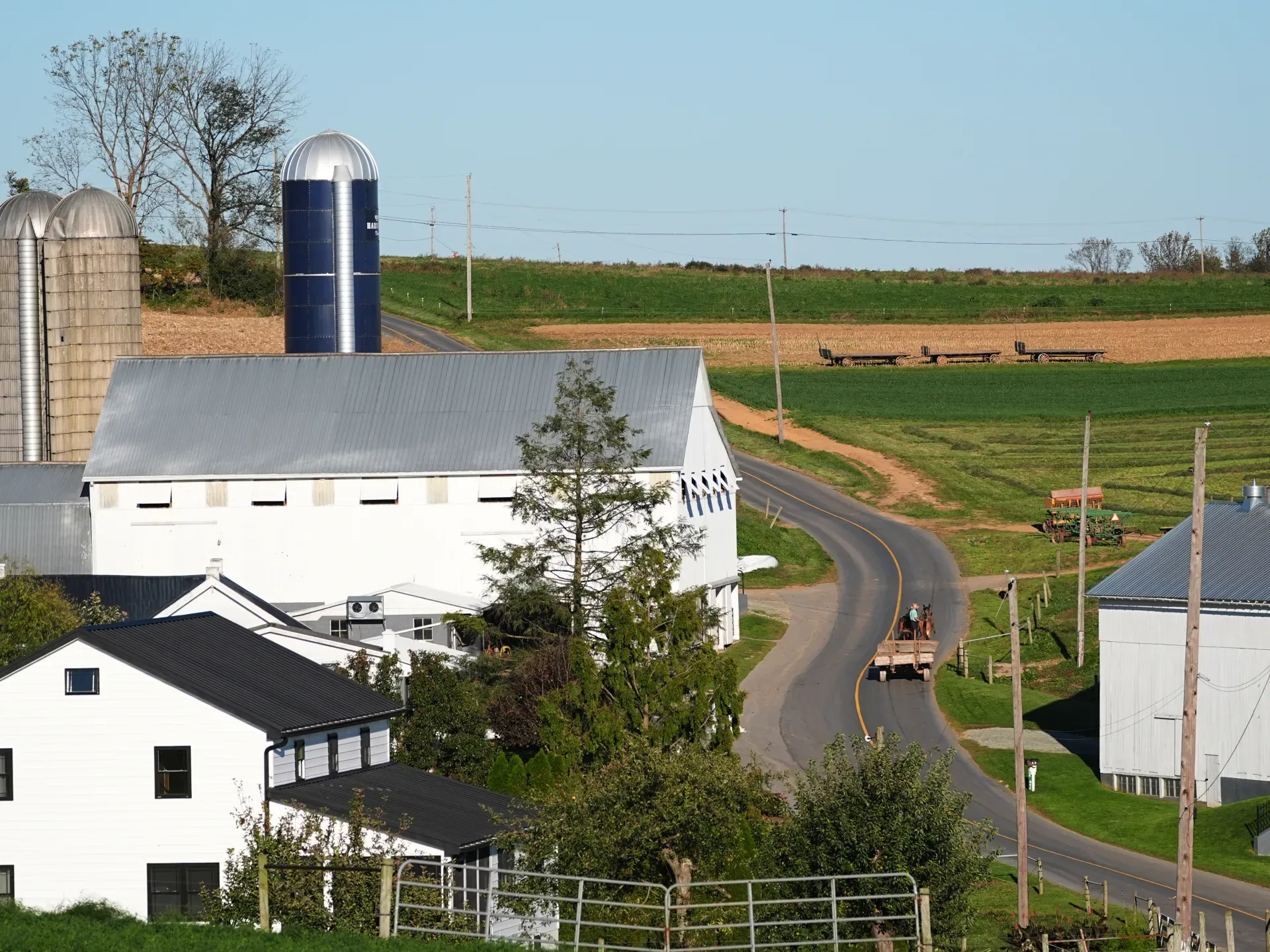
Specific demographics within Pennsylvania, particularly the Amish and Mennonite communities in Lancaster County, have faced significant challenges due to under-vaccination. In August 2026, two unvaccinated individuals died from the virus in this region. These communities often make decisions regarding vaccination based on internal judgement and traditional values rather than a lack of access to medical services.
Public health efforts have attempted to bridge this gap through localized engagement. For instance, Joshua Good, principal of Ephrata Mennonite School, collaborated with state officials to host a pop-up vaccination clinic after students contracted the virus. While these initiatives provide access, they face the hurdle of deep-seated hesitancy. Good described his approach as engaging in respectful and charitable conversations to understand the specific reasons behind the community's reluctance.
Experts suggest that the approach to these communities must be proactive rather than reactive. Jennifer Nuzzo, director of the Pandemic Center at the Brown University School of Public Health, emphasized that public health officials should not simply arrive during an emergency. She argued that building rapport is essential so that communities view health officials as a resource rather than a form of law enforcement. According to Nuzzo, failing to build this trust allows the disease to spread even when vaccines are readily available.
What is the impact of declining vaccination on vulnerable groups?
The erosion of herd immunity directly threatens individuals who cannot be vaccinated due to medical reasons. When vaccination rates in the general population drop, the protective barrier that once shielded the immunocompromised begins to fail. Previously, high coverage in surrounding communities acted as a buffer for at-risk groups, but the current resurgence is dismantling that protection.
This vulnerability is not limited to the specific communities experiencing low uptake. As the virus circulates more freely in pockets of unvaccinated populations, the risk of spillover into the wider public increases. The loss of the 'barrier' effect means that even well-vaccinated individuals may face higher community transmission risks if local immunity levels fall below critical thresholds.
Could the US lose its measles elimination status?
The United States is at risk of losing its official measles elimination status, a designation that requires the continuous absence of endemic transmission. The Pan American Health Organization (PAHO) monitors this closely through the RVC Measles Elimination Status Conference. A country can lose this status if a single virus genotype circulates continuously for at least 12 months.
The precedent for this loss has already been set in the region. Canada became the first country in the continental Americas to lose its elimination status following an outbreak that began in 2024. While some officials, including US Health and Human Services Secretary Robert F. Kennedy Jr., have defended the US response by citing higher case numbers in other nations like Mexico and Britain, health experts remain concerned about the domestic trend.
Regional implications for the Americas
The threat of losing elimination status is not confined to the US. Dr. Daniel Salas, executive manager of the Special Program for Comprehensive Immunisation at PAHO, indicated that other nations, including Mexico and Bolivia, are also under close assessment. The interconnectedness of the Americas means that an outbreak in one nation can easily destabilize the elimination efforts of its neighbours.
Frequently asked questions
What is the current status of measles in Pennsylvania?
Pennsylvania is experiencing a major outbreak with over 1,200 cases and 240 hospitalisations reported across 42 counties this year. The state has sought emergency support from the CDC to manage the spread and address the rising number of infections in both rural and populated areas.
Why are vaccination rates declining in the United States?
Vaccination rates among US kindergartners have dropped from 95.2% in 2019-2020 to 92.4% in 2025-2026. This decline is driven by a combination of rising vaccine scepticism in certain communities and a general loss of perceived urgency regarding preventable diseases.
How is the US measles outbreak being managed?
Management efforts include emergency declarations, such as the one issued by New York Governor Kathy Hochul, and community-level interventions like pop-up clinics in schools. Public health officials are also working with community leaders to build trust and improve communication with hesitant groups.
What does 'elimination status' mean for a country?
Elimination status means a country has successfully stopped the endemic transmission of a disease. To maintain this, a country must prevent the continuous circulation of a specific virus genotype for at least 12 months, a standard monitored by international bodies like PAHO.
Is the measles outbreak a global concern?
Yes, the outbreak is a global concern because declining vaccination rates in one area can facilitate international spread. The resurgence in the US threatens the progress made by the WHO to eliminate measles across the Americas and beyond.
Key takeaways
- Pennsylvania has recorded over 1,200 measles cases and 240 hospitalisations in 2026.
- US kindergartner vaccination rates have fallen from 95.2% to 92.4% since 2019.
- Canada became the first country in the Americas to lose measles elimination status in 2024.
- Vaccine scepticism in specific communities like the Amish is a primary driver of local outbreaks.
The path toward containment
Addressing the measles resurgence requires a dual approach of clinical intervention and social trust-building. While emergency measures and increased testing are necessary to contain immediate outbreaks, the long-term solution lies in restoring vaccination coverage to levels that ensure herd immunity. This involves moving beyond reactive crisis management to proactive community engagement, ensuring that public health is viewed as a supportive resource. Ultimately, the ability of the United States to maintain its public health standing will depend on its capacity to bridge the gap between medical availability and community acceptance.



