
Maurene Comey illegal firing ruling: US court decision 2026
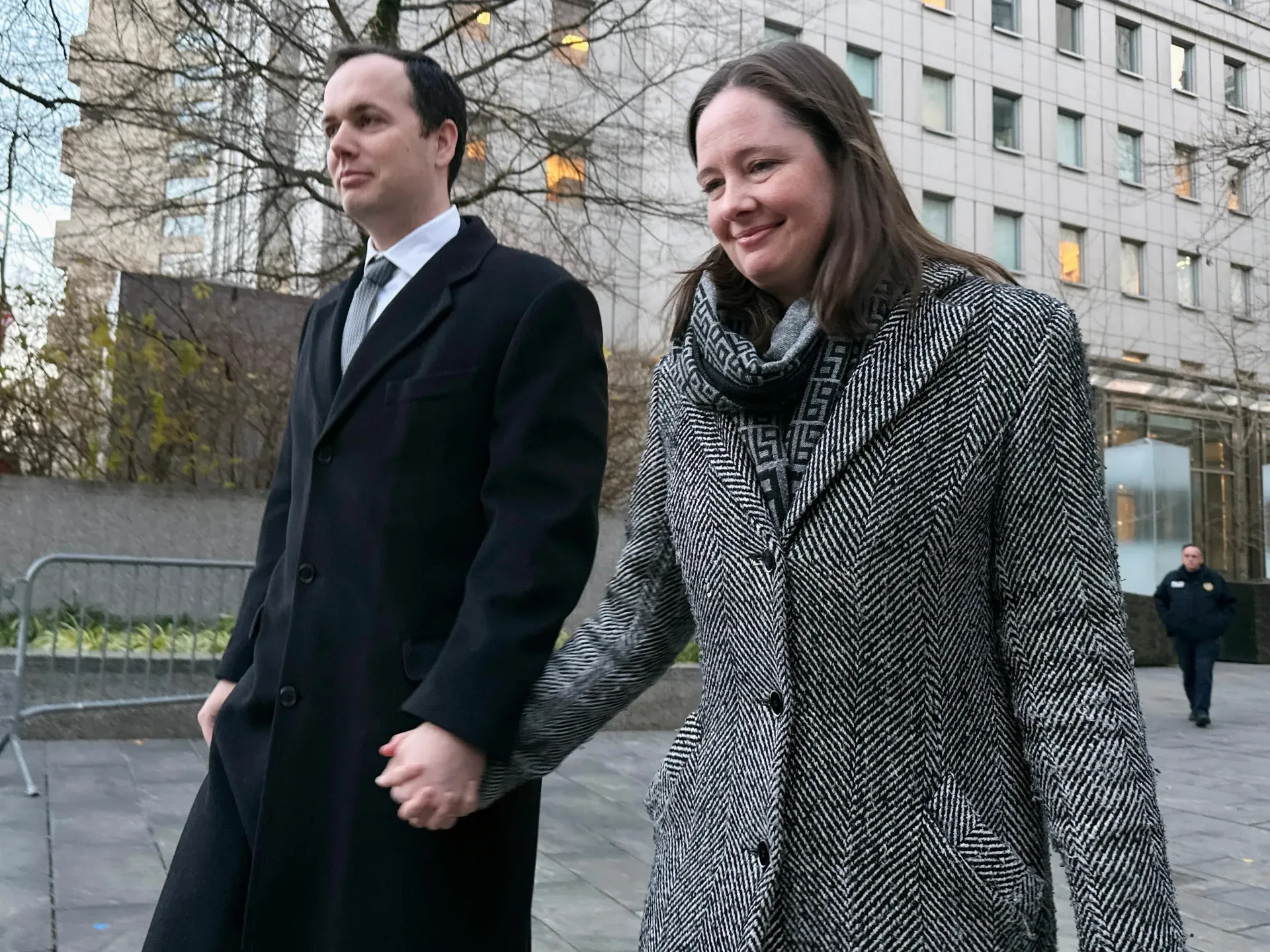
The Maurene Comey illegal firing ruling was handed down by a US District Judge on October 26, 2026, declaring the Trump administration's termination of the former federal prosecutor unlawful. US District Judge Jesse Furman ruled that the administration overstepped executive authority by firing "inferior officers" without cause. The decision grants Comey back pay and retroactive reinstatement for the period between July 16, 2025, and December 2025. This ruling challenges the administration's efforts to reshape the federal workforce. This article examines the legal basis of the ruling, the political context involving James Comey, and the broader implications for US executive power.
October 27, 2026
5 min read
Source: ASHENVOW
The Maurene Comey illegal firing ruling was handed down by a US District Judge on October 26, 2026, declaring the Trump administration's termination of the former federal prosecutor unlawful. US District Judge Jesse Furman ruled that the administration overstepped executive authority by firing "inferior officers" without cause. The decision grants Comey back pay and retroactive reinstatement for the period between July 16, 2025, and December 2025. This ruling challenges the administration's efforts to reshape the federal workforce. This article examines the legal basis of the ruling, the political context involving James Comey, and the broader implications for US executive power.
Why did the court rule that Maurene Comey was illegally fired?
The court determined that the Trump administration exceeded its constitutional boundaries by terminating Maurene Comey without adhering to established legal protections for civil servants. US District Judge Jesse Furman ruled that the administration had improperly attempted to exercise authority over so-called "inferior officers" without providing the requisite cause for their removal.
In his decision, Judge Furman rejected the administration's legal theory that the presidency holds absolute power to dismiss such employees regardless of Congressional regulations. He noted that the defendants had "invented a new and expansive theory of executive power," which he argued would destabilize the constitutional equilibrium of the United States. The ruling emphasizes that federal prosecutors are not merely extensions of the president's personal authority, but are subject to specific regulatory frameworks designed to prevent political interference.
The legal distinction of "inferior officers"
A central component of the ruling involves the classification of federal employees. The Trump administration argued that the president possesses "conclusive and preclusive" powers over these roles. However, the court found that this interpretation ignored the separation of powers. Under the US Constitution, Congress maintains the authority to pass regulations governing the conduct and protections of federal employees, provided these rules do not infringe upon core executive functions. By attempting to bypass these protections, the administration was found to have acted outside the law.
What is the connection between Maurene Comey and James Comey?
Maurene Comey’s legal team argued that her termination was motivated by the Trump administration's animosity toward her father, former FBI Director James Comey. James Comey, who led the FBI from 2013 to 2017, became a prominent critic of Donald Trump following his dismissal during Trump's first term.
The litigation highlighted a pattern of perceived retribution. Maurene Comey, an assistant US attorney in Manhattan since 2015, had been involved in high-profile prosecutions, including cases against Jeffrey Epstein, Ghislaine Maxwell, and Sean "Diddy" Combs. Her lawyers contended that her firing on July 16, 2025, violated federal laws that prohibit the dismissal of civil servants for purely political reasons. The court's decision provides a significant legal victory for her, granting her retroactive reinstatement and back pay for the duration of her unlawful unemployment.
How has the Trump administration responded to the ruling?
The Trump administration has expressed its disagreement with the court's decision and has announced its intention to appeal the ruling in due course. The administration's position has consistently maintained that the president possesses broad latitude to manage the executive branch, which includes the power to remove federal employees without specific cause.
This legal battle is part of a wider effort by the administration to reduce the size of the federal government and replace career officials with individuals aligned with the president's priorities. Critics and legal experts have suggested that these moves are part of a broader strategy to remove investigators and prosecutors who are viewed as being out of step with the current administration's agenda.
What is the broader context of legal actions against James Comey?
The ruling against the firing of Maurene Comey occurs amidst a series of legal challenges directed at her father, James Comey. In September 2025, Donald Trump publicly called for the Department of Justice to pursue charges against Comey, citing his role in previous investigations into the 2016 campaign.
Following these calls, the Department of Justice initiated several legal proceedings against the former FBI chief:
- Lying to Congress: A case was brought against James Comey, but a judge dismissed it in November after finding that the prosecutor, Lindsey Halligan, had been unlawfully appointed.
- Social Media Allegations: In April, Comey faced charges regarding a social media post featuring an image of seashells arranged to resemble the numbers "86 47." While the administration characterized this as a threat associated with organized crime, Comey has described the prosecution as political persecution.
These instances have fueled the ongoing debate regarding the weaponization of the Department of Justice for political purposes.
What are the implications for US executive power?
The ruling by Judge Furman serves as a critical check on the expansion of presidential authority. By dismissing the administration's "expansive theory of executive power," the court has reinforced the principle that the presidency is not exempt from the regulatory oversight established by Congress.
If the administration's theory had been accepted, it would have allowed for the mass removal of federal employees who hold legal protections, potentially transforming the non-partisan civil service into a political instrument. The decision aims to preserve the "equilibrium" of the constitutional system by ensuring that the separation of powers remains intact, even as administrations seek to reshape the bureaucracy.
FAQ: Maurene Comey legal ruling
Why was Maurene Comey's firing considered illegal?
The court ruled that the Trump administration overstepped its authority by firing "inferior officers" without cause. Judge Jesse Furman found that the administration ignored Congressional protections for civil servants and attempted to use an unconstitutional expansion of executive power to remove employees for political reasons.
What compensation was awarded to Maurene Comey?
Maurene Comey was granted back pay for the period starting from her firing on July 16, 2025, through December 2025. Additionally, the judge ruled that she is entitled to "retroactive reinstatement," effectively restoring her status for the period she was unlawfully removed from her position.
Who is Maurene Comey?
Maurene Comey is a former Assistant US Attorney for the Department of Justice, based in Manhattan. She had served in this role since 2015 and was involved in high-profile criminal cases involving figures such as Jeffrey Epstein and Sean "Diddy" Combs.
What is the administration's stance on this decision?
The Trump administration disagrees with the court's ruling. They maintain that the president has wide latitude to fire federal employees and have stated that they intend to appeal the decision in due course to defend their interpretation of executive authority.
How does this relate to James Comey?
Maurene Comey is the daughter of former FBI Director James Comey. Her legal team argued that her termination was a retaliatory act stemming from the administration's hostility toward her father, who has been a vocal critic of Donald Trump.
Key takeaways
- Judge Jesse Furman ruled the Trump administration's firing of Maurene Comey was illegal.
- The court rejected the administration's theory regarding expansive executive authority over inferior officers.
- Maurene Comey is entitled to back pay and retroactive reinstatement for her service.
- The administration has announced its intention to appeal the decision.
Conclusion
The ruling in the Maurene Comey case represents a significant judicial intervention in the ongoing struggle over the scope of US executive power. By upholding the protections afforded to civil servants and rejecting the administration's broad interpretation of presidential authority, the court has sought to maintain the constitutional balance between the branches of government. While the administration's planned appeal will likely continue this legal debate, the decision currently stands as a major setback for efforts to bypass established federal employment regulations. The case underscores the intensifying friction between the presidency and the institutional safeguards of the American legal system.



