
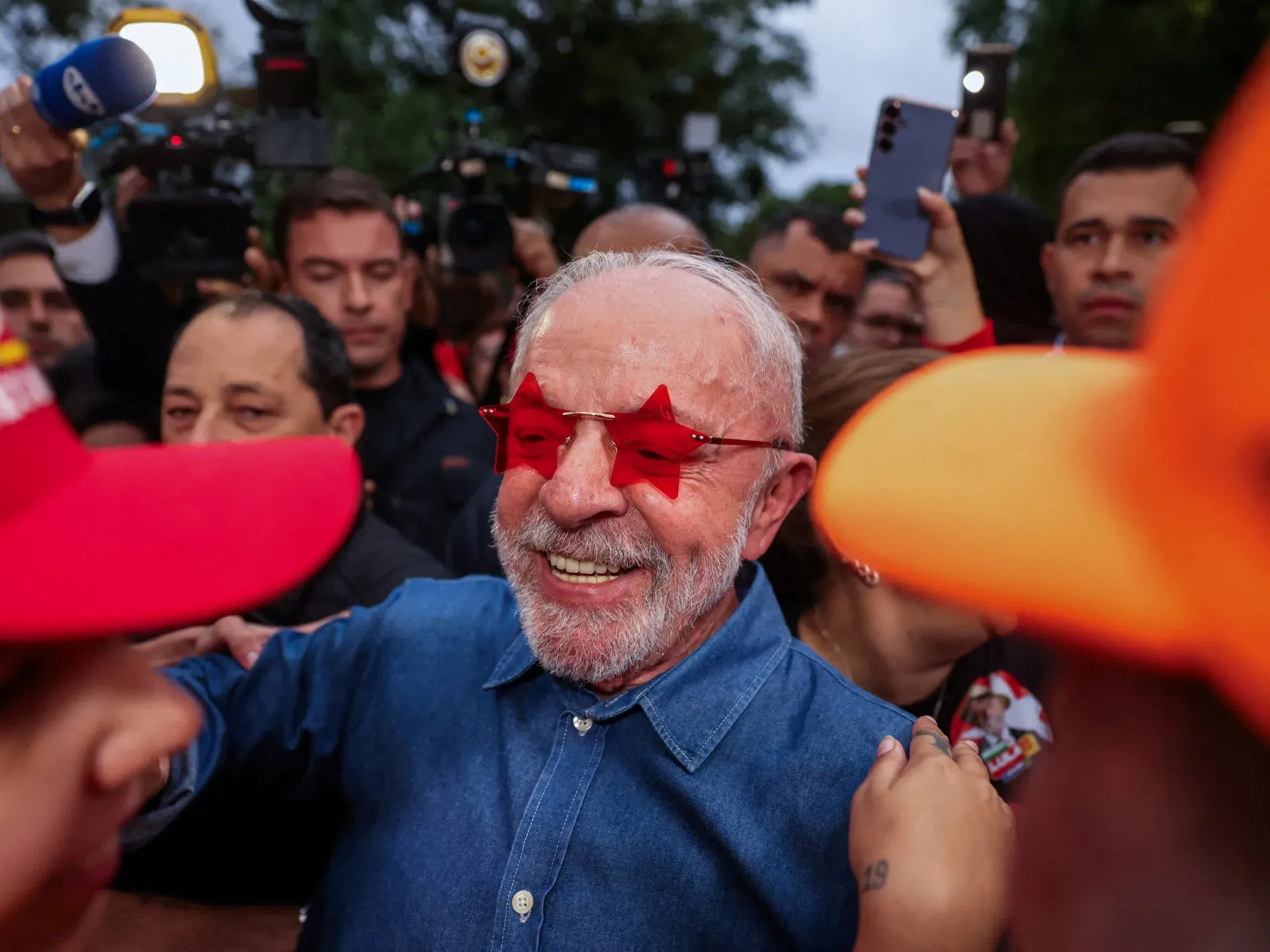
Lula presidential election victory: Brazil's historic comeback
Lula presidential election victory has been confirmed by Brazil's Superior Electoral Court following a tense second-round run-off. Luiz Inácio Lula da Silva secured more than 51 percent of the vote, totaling over 64 million ballots, to defeat right-wing Senator Flavio Bolsonaro, who received 48 percent. This result marks a unique political feat, as Lula becomes the first modern Brazilian leader to win the presidency after losing the first round. This article examines the election results, the legal disputes regarding voting hours, and the implications for Brazil's legislative future.
October 27, 2026
5 min read
Source: ASHENVOW
How did Lula secure his historic second-round victory?
Lula da Silva achieved a stunning political comeback by capturing over 51 percent of the vote in the presidential run-off held on Sunday, October 26, 2026. This victory follows a difficult first round on October 4, where he trailed Senator Flavio Bolsonaro, receiving 45 percent of the vote compared to the Senator's 47 percent. The margin of victory in the final tally stood at more than 4 million votes, with Bolsonaro securing approximately 59 million ballots.
The incumbent's successful campaign focused heavily on addressing the cost-of-living crisis and economic instability. By championing a constitutional amendment to shorten the workweek and proposing free public transport on weekends, Lula managed to galvanize his working-class base. His victory is particularly notable for its historical significance; no other politician in Brazil's modern era has successfully transitioned from a first-round loss to a second-round presidential win.
The path from underdog to winner
Entering the run-off as an underdog, Lula utilized his experience as a former union leader to navigate a highly polarized landscape. His ability to pivot from the first-round deficit to a majority suggests a successful mobilization of voters concerned with economic security and social protections. This fourth, non-consecutive term will see him sworn in on January 5, 2027, as the oldest president in Brazil's democratic history.
Why is the election result being contested by the right?
Flavio Bolsonaro has refused to concede the election, citing irregularities regarding a Supreme Court decision that extended voting hours. The dispute centers on a ruling by Justice Cristiano Zanin, which allowed polling stations to remain open until 7:00 PM Brasilia time—two hours later than originally scheduled. Bolsonaro has characterized this as "changing the rules of the game mid-game" and has vowed to seek an annulment of the results.
The legal challenge is compounded by several logistical and procedural allegations:
- Voting Time Extensions: The Bolsonaro campaign argues that some stations failed to reopen in time, potentially disenfranchising voters.
- Voter Suppression Claims: Lula's allies alleged that the suspension of public transport in specific areas was a deliberate attempt to dampen turnout among working-class voters.
- Weather Disruptions: Heavy rains in southern Brazil, traditionally a Bolsonaro stronghold, also impacted the voting process.
While the Superior Electoral Court has called the race for Lula, the political tension remains high as the right-wing camp prepares for a potential court battle over the legality of the extended voting window.
What are the international reactions to the result?
The international community has responded with a mixture of celebration from the left and skepticism from conservative allies of the Bolsonaro family. Leaders across the Western Hemisphere, particularly those with leftist affiliations, have hailed the result as a win for democratic stability in Latin America.
Key international responses include:
- Mexico: President Claudia Sheinbaum congratulated Lula, stating that the people of Brazil have won.
- United States: Senator Bernie Sanders described the re-election as "extraordinary," noting Lula's stance on workers' rights.
- United States (Conservative): Donald Trump Jr. suggested judicial malpractice occurred due to the voting extension, echoing the sentiment that the process was unfair.
The geopolitical context is complicated by the current administration in the United States. The Trump White House has historically supported the Bolsonaro family, having previously implemented 50-percent tariffs on certain Brazilian products to protest the prosecution of Jair Bolsonaro. This creates a complex diplomatic landscape for Lula's upcoming term.
How will the election impact Brazil's legislative agenda?
Lula faces a significant challenge in governing with a highly polarized and right-leaning Congress. Despite his victory, the president acknowledged that his ability to pass legislation will be constrained by the current composition of the legislature, which he noted was chosen by the people but maintains a rightward tilt.
Several domestic issues will likely dominate his fourth term:
- Economic Management: Addressing the explosion of household debt and stabilizing the economy remains a top priority.
- Legislative Hurdles: Navigating a Congress that may resist the leftist agenda of the Workers' Party.
- Social Reforms: Implementing the workweek changes and transport initiatives used during the campaign.
Lula's administration will also have to manage the fallout from recent controversial decisions, such as the ban on online gambling and sports betting apps intended to curb rising household debt. The tension between the executive branch and a conservative legislature suggests that the next four years will be marked by intense political negotiation and potential gridlock.
Frequently asked questions
Who won the 2026 Brazilian presidential election?
Luiz Inácio Lula da Silva won the election, securing more than 51 percent of the vote. He defeated the right-wing candidate Flavio Bolsonaro, who received 48 percent of the ballots. The Superior Electoral Court officially confirmed the results following the second-round run-off.
Why is Flavio Bolsonaro contesting the results?
Flavio Bolsonaro is seeking to annul the results because of a Supreme Court decision that extended voting hours by two hours. He claims this changed the rules mid-game and argues that some polling stations did not reopen in time to allow all voters to participate.
What makes Lula's victory historically significant?
Lula's victory is historic because he is the first politician in modern Brazilian history to lose the first round of a presidential election and subsequently win the second round. He also becomes the oldest president to take office since Brazil's return to democracy.
Were there allegations of voter suppression during the vote?
Yes, Lula's allies accused Bolsonaro supporters of reducing public transport availability in certain areas to prevent working-class voters from reaching polling stations. Additionally, heavy rains in southern regions, which are Bolsonaro strongholds, were noted as a factor affecting the process.
How does the US administration view the election result?
The reaction is divided. While some US politicians like Bernie Sanders congratulated Lula, the Trump administration has been supportive of the Bolsonaro family. Donald Trump Jr. suggested there was judicial malpractice regarding the voting extensions, reflecting a conservative skepticism of the outcome.
Key takeaways
- Lula da Silva won the 2026 election with over 51 percent of the vote, defeating Flavio Bolsonaro.
- Lula becomes the first modern Brazilian leader to win after losing the first round.
- Flavio Bolsonaro is challenging the results due to a Supreme Court decision to extend voting hours.
- The election was marked by allegations of voter suppression and weather-related disruptions.
- Lula faces a right-leaning Congress, which may complicate his legislative agenda.
Conclusion
The re-election of Luiz Inácio Lula da Silva marks a definitive, albeit contested, moment for Brazilian democracy. While his victory provides a sense of continuity for the left in Latin America, the refusal of the Bolsonaro camp to concede creates a period of profound political uncertainty. As Lula prepares to take office in January 2027, he must navigate a fractured legislature and a potentially hostile international environment. The coming months will determine whether the legal challenges to the election results will destabilize the country or if the democratic institutions will successfully uphold the mandate provided by the voters.



