
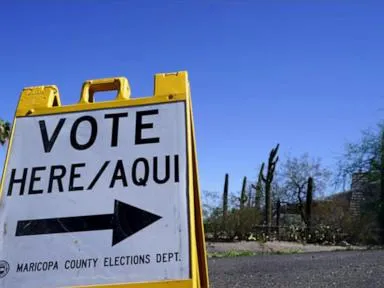
Latino voters in midterms: The emergence of a decisive swing bloc
Latino voters in midterms have solidified their position as a critical swing group within the United States electorate. As the 2026 midterm elections conclude with Democrats projected to take control of both the House and the Senate, the diverse Latino constituency has played a pivotal role in several key races. This demographic shift is reshaping political strategies across the country. This article examines the influence of Latino voters on the 2026 results, the broader electoral landscape, and the implications for future US political cycles.
November 8, 2026
5 min read
Source: ASHENVOW
How are Latino voters influencing the 2026 midterm results?
Latino voters are increasingly functioning as a decisive swing group in high-stakes electoral contests. According to Héctor Sánchez Barba, president and CEO of Mi Familia Vota, the demographic is no longer a monolith but a diverse electorate that can shift the outcome of several key races. This evolution means that political parties can no longer rely on traditional assumptions regarding the voting patterns of Hispanic communities.
In the current 2026 cycle, the ability of candidates to engage with the specific concerns of this group has become a primary factor in competitive districts. Unlike previous cycles where certain demographics were viewed as reliably partisan, the current landscape shows a more nuanced distribution of support. This fluidity makes the Latino vote a central pillar of political strategy in battleground states.
The shift from monolith to diverse electorate
The concept of the 'Latino vote' is undergoing a fundamental transformation. As noted by Sánchez Barba, the electorate is becoming more fragmented, with varying interests based on nationality, socio-economic status, and regional concerns. This diversity requires a more sophisticated approach to campaigning, moving away from broad-brush messaging toward targeted, issue-based communication.
What does the 2026 Democratic victory signify for the US political landscape?
Democrats are currently projected to take control of both the House of Representatives and the Senate, marking a significant shift in the American political balance. This 'big blue wave' includes notable victories in traditionally Republican strongholds, including a shift in the South. The results suggest a realignment that could impact policy-making for the next two years.
The projected wins include several historic milestones and high-profile shifts:
- Senate Control: Democrats are projected to flip the Senate, with significant wins in states like Georgia, where Jon Ossoff is projected to defeat Mike Collins.
- House Control: Democratic leadership, including House Minority Leader Hakeem Jeffries, is positioned to reclaim the majority.
- Regional Shifts: The election saw Georgia turn blue and significant Democratic gains in the South.
This sweep is not merely a change in personnel but a potential mandate for a different legislative direction, especially as the country navigates economic concerns and cost-of-living issues, which were cited as top priorities for voters during the campaign.
Who are the key figures making history in this election cycle?
The 2026 midterms have been characterized by several 'firsts,' highlighting the increasing diversity of the US political leadership. These victories represent a broader trend of breaking historical barriers in both the Senate and governorships.
Notable historic projections include:
- Dr. Abdul El-Sayed: Projected to become the first Muslim elected to the US Senate.
- Byron Donalds: Projected to become Florida's first Black governor.
- James Talarico: Secured a victory in the Texas Senate race.
- Keisha Lance Bottoms: Projected to win the Georgia governor's race.
These individual successes reflect a changing face of American governance, where candidates from diverse religious, racial, and ethnic backgrounds are successfully navigating the electoral process to win high-level offices.
What were the primary drivers behind voter turnout in 2026?
Economic stability and the cost of living emerged as the most significant concerns for the American electorate during the 2026 midterm cycle. Voters across various demographics prioritized how political leadership would address inflation and the daily financial pressures facing households.
Beyond economic issues, the election was shaped by several localized and national factors:
- Cost of Living: This remained the top-of-mind issue for a majority of the voting population.
- Political Realignment: The 'blue wave' suggests a reaction to the existing political climate and the MAGA movement's influence.
- Candidate Visibility: Controversial advertising and high-profile debates, such as those seen in the Ohio Senate race involving Amy Acton, played a role in shaping voter perception.
The intersection of economic anxiety and shifting demographic allegiances created a volatile environment that favored the Democratic surge in several key battleground states.
Key takeaways
- Latino voters have transitioned into a critical swing group, complicating traditional partisan predictions.
- Democrats are projected to reclaim control of both the US House and the Senate.
- The 2026 midterms featured historic milestones for Muslim and Black candidates in high office.
- Economic concerns and the cost of living were the primary drivers for voter decision-making.
FAQ: Latino voters and the 2026 midterms
How significant is the Latino vote in the current US political climate?
The Latino vote is highly significant as it has evolved into a diverse swing bloc. Rather than voting as a single unit, these voters are increasingly making decisions based on specific regional and economic interests, making them essential for winning key battleground states.
What were the main issues for voters in the 2026 midterms?
The primary drivers for voters were the economy and the cost of living. Most citizens prioritized how candidates would manage inflation and the financial pressures affecting their daily lives, which heavily influenced the outcome of the midterm elections.
Did the 2026 midterms result in any historic political shifts?
Yes, the midterms saw several historic moments, including the projection of the first Muslim US Senator and the potential for Florida's first Black governor. Additionally, Democrats made significant gains in the South, flipping several key states.
What is the projected outcome for the US Congress?
Current projections indicate that Democrats will take control of both the House of Representatives and the Senate. This shift follows a significant wave of Democratic victories across various states, including Georgia and North Carolina.
How has the demographic landscape changed the election results?
The emergence of diverse voting blocs, particularly the more nuanced Latino electorate, has shifted the political map. This diversity has allowed for unexpected victories in states that were previously considered predictable, contributing to the overall 'blue wave' seen in 2026.
Conclusion
The 2026 midterm elections mark a transformative period in American politics, defined by a significant Democratic resurgence and the rise of a more complex, diverse electorate. The emergence of Latino voters as a critical swing group underscores the necessity for political parties to move beyond outdated demographic generalizations. As historic figures ascend to leadership roles and economic concerns continue to dominate the national discourse, the political landscape appears increasingly fragmented and dynamic. The results of these midterms will likely dictate the legislative priorities and political strategies of both major parties for the foreseeable future.



