
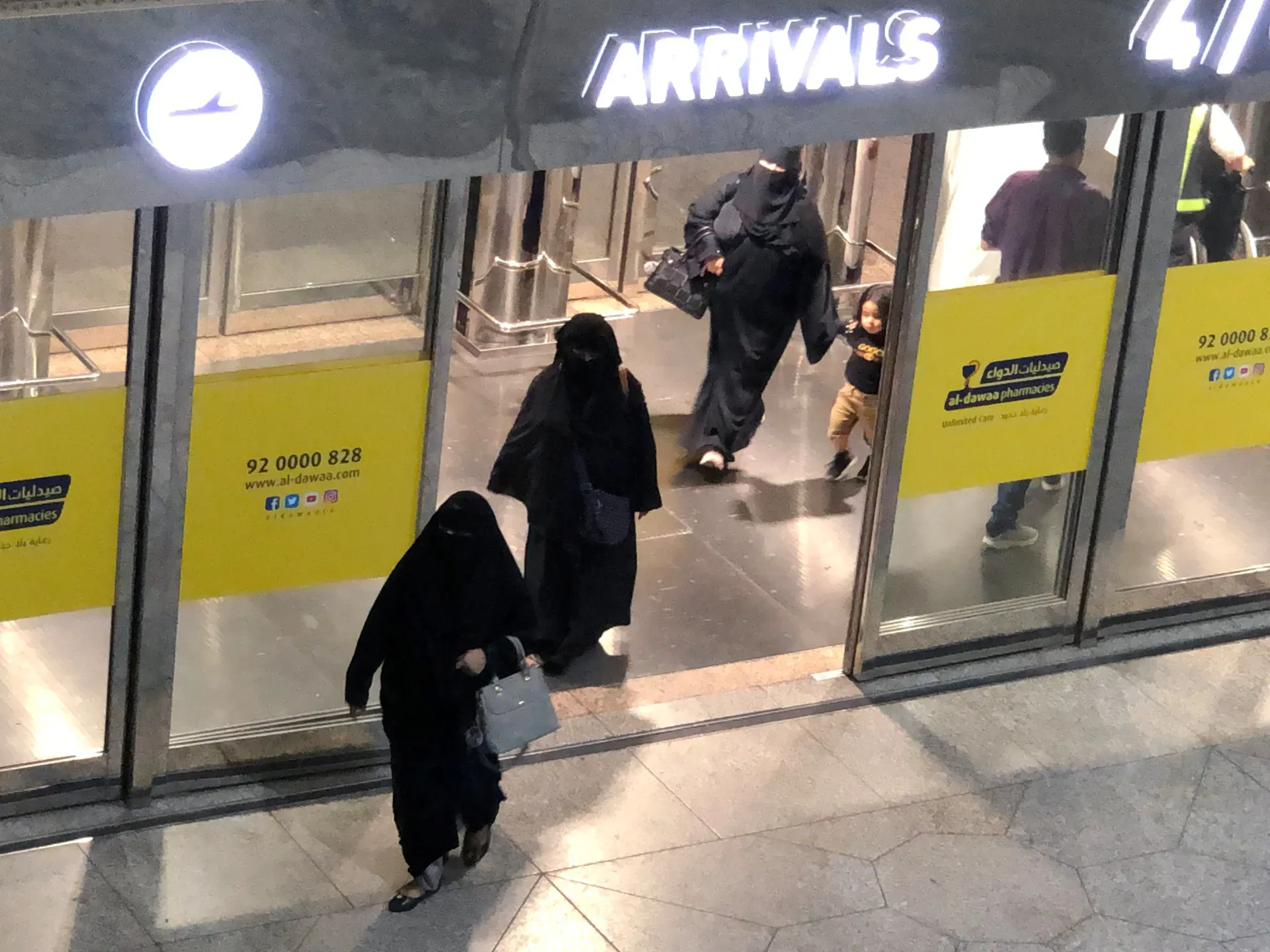
King Fahd airport attack: Two dead, eight injured in strikes
The King Fahd airport attack in Dammam has resulted in two fatalities and eight injuries according to the Saudi General Authority of Civil Aviation (GACA). The casualties include one Saudi national and one Indian resident following the Wednesday strikes. As the Houthis claim responsibility for targeting various Saudi infrastructure, including Aramco facilities and defense ministries, regional security tensions have escalated significantly. This article examines the recent casualties at King Fahd International Airport, the broader targeting of Saudi energy assets, and the resulting diplomatic security responses.
October 27, 2026
5 min read
Source: ASHENVOW
What are the confirmed casualties of the King Fahd airport attack?
The death toll from the assault on King Fahd International Airport in Dammam has risen to two people. According to the Saudi General Authority of Civil Aviation (GACA), the victims identified are a Saudi national and an Indian resident. In addition to the fatalities, the GACA confirmed that eight individuals sustained injuries during the Wednesday attack.
Despite the disruption caused by the strike, the aviation authority stated that operations at the airport have since resumed. Air traffic has returned to normal levels, suggesting that the immediate physical damage to runway or terminal infrastructure was managed quickly to restore essential transport links. However, the human cost underscores the increasing volatility of the regional security environment.
How has the conflict impacted Saudi energy infrastructure?
The targeting of Saudi energy assets remains a primary component of the recent escalations. On Wednesday, the Saudi Ministry of Energy reported that two people were killed when Saudi air defences intercepted a drone aimed at a facility within Saudi Aramco’s Shaybah oilfield. This incident highlights the persistent threat posed by unmanned aerial vehicles to critical oil and gas extraction sites.
The Houthis have claimed responsibility for a wider range of strikes against the kingdom's energy sector. According to Houthi statements, their recent operations included targeting Aramco facilities in Yanbu. These repeated attempts to strike high-value economic targets demonstrate a strategic focus on disrupting the kingdom's primary source of revenue and global energy supply stability.
The strategic significance of Aramco targets
Aramco facilities, such as those in Shaybah and Yanbu, represent the backbone of the Saudi economy. By targeting these sites, the Houthis aim to create economic instability and force significant defensive expenditures. The interception of drones over these fields requires sophisticated, high-cost defense systems, creating a continuous cycle of aerial engagement. Furthermore, the reported evacuation of staff from Aramco's headquarters in Dhahran, following a previous strike earlier this month, indicates that the threat level is high enough to trigger major corporate contingency plans.
What is the extent of recent Houthi strikes on Saudi aviation?
The King Fahd airport attack is part of a broader pattern of strikes against Saudi civil aviation hubs. The Houthis claimed on Thursday that their operations over the last 48 hours included targeting King Fahd International Airport as well as Abha International Airport. This multi-point approach suggests an attempt to saturate Saudi air defenses and disrupt the kingdom's domestic and international connectivity.
The frequency of these attacks has increased sharply in recent weeks. For instance, the kingdom reported a projectile strike on Riyadh’s King Khalid International Airport on October 11, which resulted in one death and 11 injuries. This followed a much more devastating event on October 10 at the same airport, where the civil aviation authority reported that 12 people were killed and more than 300 were injured. The cumulative effect of these strikes on aviation infrastructure places immense pressure on the Saudi-led coalition to maintain regional airspace security.
How have international actors responded to the security crisis?
The escalation in violence has prompted significant diplomatic and security adjustments by Western powers. The US State Department recently ordered diplomats and their family members to depart from US missions in Saudi Arabia. This move followed reports that US officials were also planning to withdraw family members from several other missions throughout the region to mitigate risk.
The US embassy in Riyadh issued a specific security alert on Wednesday, warning of the possibility of further Houthi attacks within Saudi Arabia. This heightened alert level coincides with the reported evacuation of staff from Aramco's Dhahran headquarters. These defensive postures by the United States and other international entities reflect a growing concern that the conflict between the Houthis and the Saudi-backed Yemeni government is expanding its geographic and operational scope.
What is the current state of the Houthi-Saudi conflict?
The conflict is characterized by intensifying assaults on Saudi infrastructure by the Houthi movement, also known as Ansar Allah. While the Houthis have expanded their target list to include defense ministries and major airports, the Saudi-led coalition has maintained an active defense posture. The coalition reported the interception and destruction of four drones in the regions of Riyadh and Medina during the same period.
The conflict remains a central driver of regional instability, pitting the Iran-backed Houthi group against the internationally recognized Yemeni government supported by the Saudi-led coalition. As both sides increase the sophistication of their aerial capabilities, the risk to civilian populations and critical economic infrastructure remains elevated. The recent series of strikes suggests that the Houthis are actively seeking to escalate the cost of the conflict for the Saudi state through targeted asymmetric warfare.
Frequently asked questions
Who are the victims of the King Fahd airport attack?
The victims include one Saudi national and one Indian resident who were killed during the attack. Additionally, eight other individuals were reported injured by the Saudi General Authority of Civil Aviation (GACA) following the Wednesday strike in Dammam.
Are Saudi airports still operational?
Yes, operations at King Fahd International Airport have resumed. According to the GACA, air traffic has returned to normal following the attack, although security remains a high priority for the aviation authority and the Saudi-led coalition.
What other targets did the Houthis claim to hit?
The Houthis claimed to have targeted Abha International Airport, the Saudi defence ministry in Riyadh, and Saudi Aramco facilities in Yanbu. These claims are part of a broader series of strikes against Saudi infrastructure over a 48-hour period.
How has the US responded to the increased threat?
The US State Department ordered diplomats and family members to leave US missions in Saudi Arabia. Additionally, the US embassy in Riyadh issued a security alert regarding the potential for further Houthi attacks against the kingdom.
What happened at the Shaybah oilfield?
Two people were killed when Saudi air defences intercepted a drone attempting to strike a facility at the Saudi Aramco Shaybah oilfield. The Ministry of Energy confirmed the deaths following the interception of the drone on Wednesday.
Key takeaways
- Two people, a Saudi national and an Indian resident, died in the King Fahd airport attack.
- Eight people were injured during the strike on King Fahd International Airport in Dammam.
- The Houthis claimed responsibility for targeting Aramco facilities in Yanbu and Abha International Airport.
- The US State Department ordered the departure of diplomats and families from Saudi missions.
- Saudi air defences intercepted a drone targeting the Shaybah oilfield, resulting in two deaths.
Conclusion
The attack on King Fahd International Airport marks a significant escalation in the ongoing conflict between the Houthi movement and the Saudi-led coalition. With fatalities confirmed in both aviation and energy sectors, the strategic targeting of Saudi infrastructure—ranging from Dammam and Riyadh to Aramco's Shaybah oilfield—demonstrates a heightened level of operational capability by Ansar Allah. As international actors like the United States adjust their diplomatic presence in response to these security threats, the regional landscape remains deeply volatile. The ability of Saudi air defences to mitigate these risks will be critical in maintaining both economic stability and civilian safety.



