
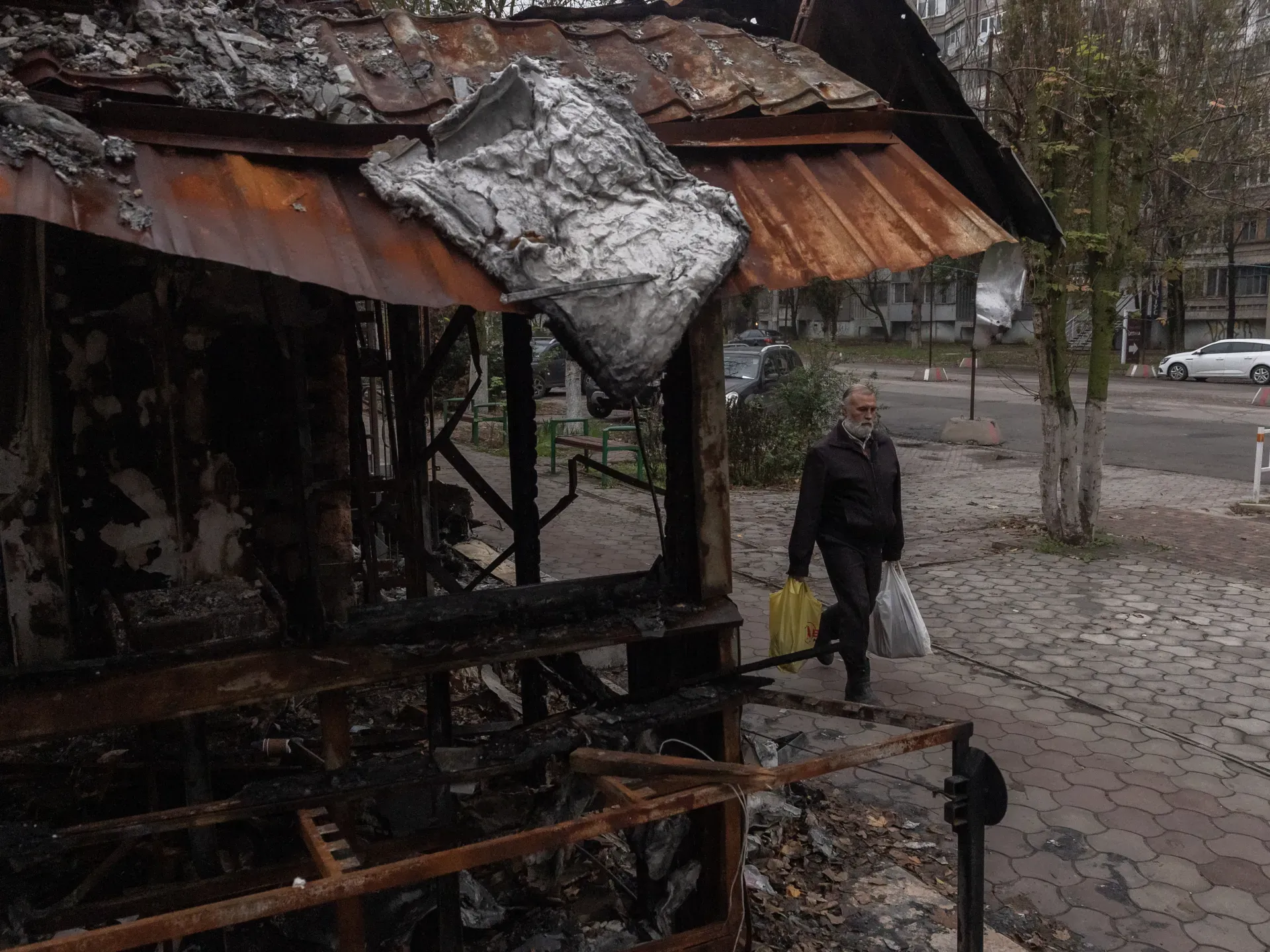
Kherson ceasefire ends: Oleshky truce and security impact
The localized Kherson ceasefire, which facilitated a rare humanitarian corridor in southern Ukraine, expired on Sunday night, November 1, 2026. This six-day truce, centered on the Russian-occupied town of Oleshky, allowed for the evacuation of hundreds of besieged residents through a coordinated effort between Kyiv and Moscow. While no violations were reported during the window, the absence of an extension signals a return to high-intensity combat in the region. This article examines the humanitarian outcomes of the truce, the diplomatic mediation involved, and the escalating strikes on energy and industrial infrastructure across both nations.
November 8, 2026
6 min read
Source: ASHENVOW
What were the results of the Oleshky humanitarian truce?
The six-day localized ceasefire in the Oleshky area successfully enabled the movement of civilians from a highly contested and besieged zone. During the truce, an estimated 2,000 residents in Oleshky were provided with critical resources and the option to relocate. According to reports from the period, residents were offered a choice: evacuate to Ukrainian-controlled territory, move to Russian-occupied areas, or remain in the town with the assurance of replenished food and medical supplies.
The humanitarian impact was most visible in the specific evacuation figures released by military authorities. Ukraine’s General Staff reported via Telegram that 167 civilians were successfully moved to safer locations within the Kherson region during the final stages of the window. This group included vulnerable populations, specifically 22 children and 21 individuals with limited mobility who required specialized assistance to navigate the conflict zone.
The scale of civilian displacement
The evacuation process highlighted the extreme difficulty of movement in the southern front lines. While the truce provided a temporary reprieve, the sheer number of people caught in the crossfire remains a significant concern for regional stability. The ability to move safely, access clean water, and receive medicine without the immediate threat of artillery was cited as a vital restoration of human dignity for those trapped in the occupation zone.
Who mediated the Kherson ceasefire agreement?
The truce was the result of high-level international mediation efforts involving significant religious and political figures. Specifically, the six-day window was reached following mediation by United States First Lady Melania Trump and included the involvement of Pope Leo XIV. This diplomatic intervention aimed to create a temporary corridor for humanitarian purposes in a region that has seen continuous fighting since the full-scale invasion began in February 2022.
The coordination of the operation received varying levels of acknowledgment from the combatants. Kremlin spokesman Dmitry Peskov stated that Moscow held a positive view of the operation's execution and the cooperation observed between the human rights commissioners of both nations. Conversely, Ukrainian officials indicated that the truce's end was precipitated by a lack of continuity; a Ukrainian official told the AFP news agency that Russia reportedly declined a proposal from Kyiv’s Foreign Ministry to extend the ceasefire period.
Melania Trump expressed optimism regarding the humanitarian window through social media, suggesting that the period of calm in Oleshky could serve as a foundation for broader peace efforts. However, the expiration of the agreement at 10:59 pm Ukraine time on Sunday suggests that the diplomatic path toward a sustained cessation of hostilities remains highly volatile.
How has the conflict shifted following the ceasefire expiry?
The expiration of the truce coincided with an intensification of long-range strikes targeting critical infrastructure in both Ukraine and Russia. While the Kherson region experienced a period of localized quiet, the broader theater of war saw significant escalations in drone and missile activity. Ukrainian President Volodymyr Zelenskyy reported that Russian strikes on Sunday targeted energy systems, a tactic aimed at destabilizing the country ahead of the winter season.
The impact on civilian populations has been immediate and severe. In the Vinnytsia region of Ukraine, a Russian drone strike hit a vocational school, resulting in the deaths of three people, including a 13-year-old girl, and wounding four others. In the Kyiv region, consecutive days of drone attacks have damaged homes, retail establishments, and essential energy infrastructure.
On the Russian side, the conflict has also seen significant retaliatory strikes. Governor Gleb Nikitin reported that over 100 Ukrainian drones were intercepted over the Nizhny Novgorod region. One such strike caused a major fire at the Kstovo oil refinery, producing large plumes of smoke visible across the horizon. President Zelenskyy confirmed that Kyiv also targeted missile component factories and air defense facilities within Russia's Rostov region, framing these actions as necessary measures to degrade Russia's military capabilities.
What is the current security outlook for the Kherson region?
Local authorities in the Kherson region have issued urgent warnings to residents as the period of stability ends. Kherson Governor Oleksandr Prokudin utilized Telegram to advise the population to remain highly vigilant, specifically warning against visiting "red zones" near the Dnipro River. According to Prokudin, the intensity of Russian strikes in these border settlements remains extremely high, posing a direct and constant threat to life.
Despite the looming return of active combat, the atmosphere in Ukrainian-controlled Kherson city remains one of cautious resilience. Cultural figures and local leaders have attempted to maintain a sense of normalcy. Oleksandr Knyha, head of the Mykola Kulish Kherson Regional Academic Music and Drama Theater, addressed audiences with messages of endurance, even as he continues to navigate the personal complexities of being a displaced person from Oleshky.
Regional occupation and territorial status
The security situation is complicated by the extensive territorial occupations held by Russian forces. Since February 2022, Moscow has maintained control over the majority of the Donetsk and Luhansk regions, as well as significant portions of the southern Kherson and Zaporizhia regions. This occupation makes the movement of people and the delivery of humanitarian aid a highly politicized and dangerous endeavor, even during periods of negotiated truce.
FAQ: Kherson ceasefire and regional impact
Why did the Kherson ceasefire end?
The ceasefire ended because the pre-negotiated six-day window expired on Sunday night. While the truce was intended to facilitate humanitarian evacuations in Oleshky, there was no agreement on an extension. Ukrainian officials reported that Russia declined a proposal from the Ukrainian Foreign Ministry to prolong the period of calm.
What was the purpose of the Oleshky truce?
The primary purpose of the localized truce was to allow for the evacuation of civilians from the Russian-occupied town of Oleshky. It aimed to provide residents with a safe window to access food, medicine, and clean water, and to move toward safer territory without the immediate threat of active combat.
Who were the key mediators in this agreement?
The ceasefire was reached through mediation efforts led by United States First Lady Melania Trump, with additional involvement from Pope Leo XIV. These international figures worked to facilitate the rare coordination between Kyiv and Moscow necessary for the humanitarian corridor to function.
How did the ceasefire affect civilian safety?
The ceasefire provided a temporary reprieve for approximately 2,000 residents in Oleshky, allowing for the evacuation of 167 people, including children and those with limited mobility. However, the end of the truce has seen a return to high-intensity strikes on civilian infrastructure and residential areas elsewhere in Ukraine.
What is the current status of the energy grid?
The energy infrastructure is under significant pressure due to ongoing aerial attacks. President Zelenskyy stated that Russian strikes have targeted energy systems in multiple Ukrainian regions, causing hundreds of thousands of households to lose power. This remains a critical concern as the region prepares for winter weather.
Key takeaways
- The six-day localized ceasefire in Oleshky expired on November 1, 2026, without an extension.
- A total of 167 civilians, including 22 children, were evacuated from the Kherson region during the truce.
- Mediation for the humanitarian corridor was provided by Melania Trump and Pope Leo XIV.
- Russian drone attacks killed three people, including a child, in the Vinnytsia region.
- Ukrainian drone strikes targeted Russian industrial sites, including the Kstovo oil refinery.
Conclusion
The expiration of the Kherson ceasefire marks a transition from a brief humanitarian window back to a period of high-intensity kinetic warfare. While the Oleshky truce achieved its immediate goal of evacuating vulnerable civilians and providing essential supplies, the failure to secure an extension underscores the deep-seated volatility of the conflict. As both Russia and Ukraine escalate long-range strikes against energy infrastructure and industrial targets, the civilian population remains at extreme risk. The return to active combat in the Dnipro river zones suggests that the humanitarian challenges in southern Ukraine will continue to intensify in the coming months.



