
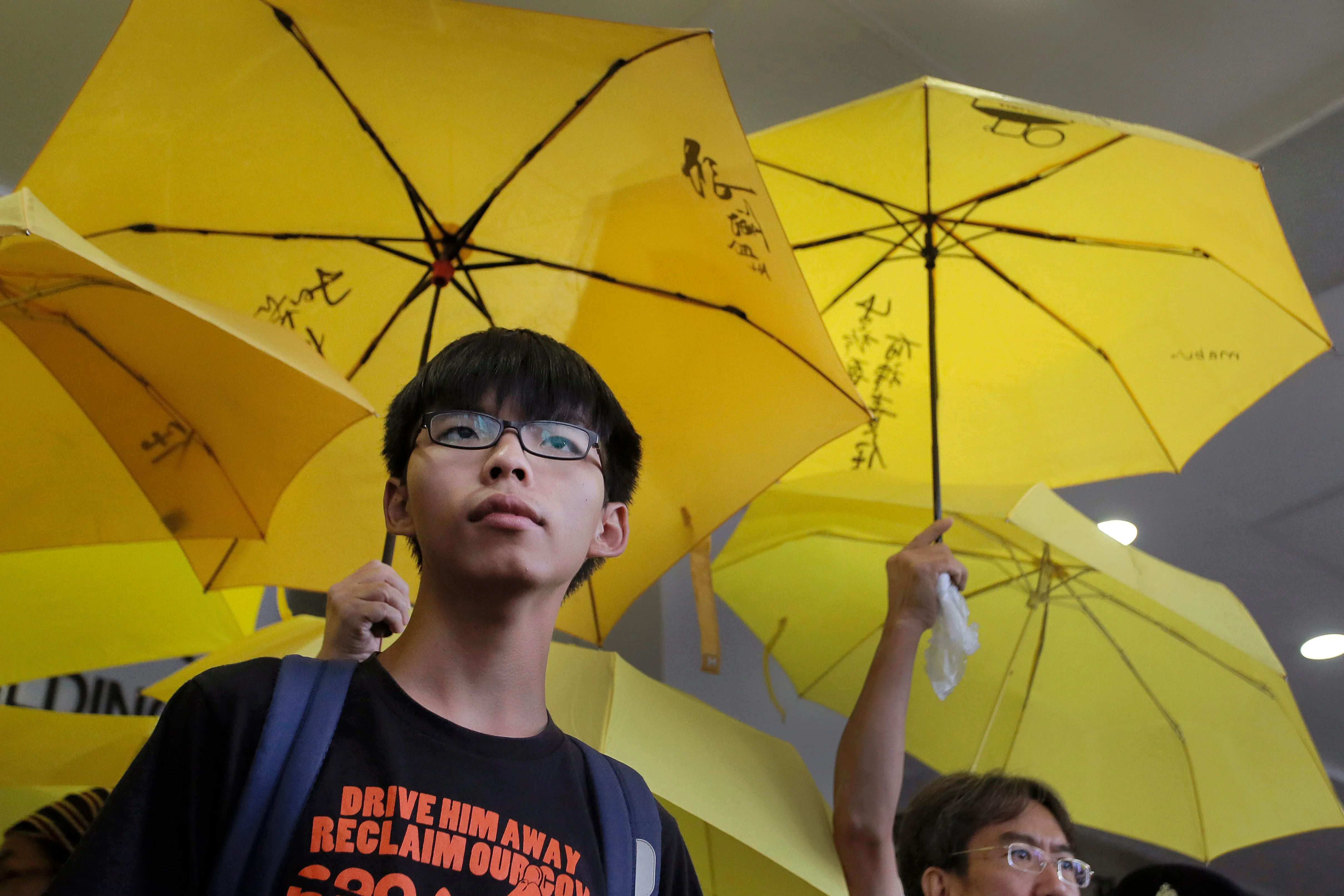
Joshua Wong sentenced to 10 years for security offenses
Joshua Wong sentenced to 10 years in prison on November 5, 2026, following a second conviction under Hong Kong's Beijing-imposed national security law. The 30-year-old activist pleaded guilty in September to conspiracy to collude with foreign forces to endanger national security. This sentence follows a previous four-year, eight-month term for a major national security case. The ruling significantly extends the detention of one of the city's most prominent pro-democracy figures. This article examines the details of the sentencing, the specific collusion charges, and the broader implications for Hong Kong's civil society.
November 8, 2026
5 min read
Source: ASHENVOW
What were the details of the sentencing for Joshua Wong?
Joshua Wong received a 10-year prison sentence on Thursday, November 5, 2026, for his role in a conspiracy to collude with foreign interests. Judge William Tam characterized the offense as being of a "grave nature" and dismissed arguments that Wong’s involvement in the scheme was limited in scope. While the judge initially considered a 13-year term as a starting point, the final sentence was reduced to 10 years due to Wong's decision to enter a guilty plea in September.
The sentencing marks a significant turning point for Wong, who was previously expected to be released from prison in January 2027. He is currently serving a separate four-year, eight-month sentence related to a massive national security case involving an unofficial primary. However, the judge ruled that Wong could serve these two prison sentences concurrently, meaning the terms would run at the same time rather than consecutively.
The judicial reasoning and the impact of the guilty plea
The court's decision to reduce the sentence from a potential 13 years to 10 years highlights the legal weight given to admissions of guilt under the national security framework. Despite this reduction, the sentence remains substantial, reflecting the judiciary's stance on activities deemed to threaten national stability. For Wong, who has already spent nearly six years in detention, the ruling ensures a prolonged period of incarceration, effectively neutralizing his immediate presence in the political sphere.
Why was Joshua Wong charged with collusion?
The prosecution's case centered on allegations that Wong and fellow activist Nathan Law engaged in international lobbying to promote democratic self-determination for Hong Kong. According to the prosecution, the pair began coordinating efforts around 2016 to seek international intervention, specifically by calling for sanctions and other adverse measures against both the Chinese government and the Hong Kong administration.
The legal proceedings highlighted several key activities:
- High-level meetings: The prosecution cited Wong's meetings with prominent U.S. politicians, including Nancy Pelosi and Marco Rubio, in 2016 and 2019.
- International advocacy: After the national security law was enacted, the prosecution alleged that the activists continued their work abroad through petition drives and meetings with foreign officials.
- Digital influence: Wong was accused of using foreign media outlets and social media platforms to draw international attention to their cause and bolster requests for blockades or hostile measures against China.
While the prosecution framed these actions as a direct threat to national security, Wong's supporters view them as legitimate efforts to advocate for human rights and democratic values on a global stage.
How does this sentence affect Hong Kong's civic landscape?
Observers suggest that the sentencing of high-profile figures like Wong serves as a mechanism to discourage dissent and chill civic activism across the city. The implementation of the national security law has fundamentally altered Hong Kong's social fabric, which was once defined by a vibrant and freewheeling civil society. Since the anti-government protests of 2019, the city has seen a systematic reduction in public political choice and the disappearance of independent media and civil groups.
The impact on the local community is multifaceted:
- Dissolution of organizations: Dozens of civil society groups have been forced to dissolve since the crackdown began.
- Media suppression: News outlets that provided critical coverage of the government have been forced to shut down.
- Electoral changes: Authorities have implemented measures that significantly reduce the scope of public choice in local elections.
Legal experts, such as Eric Lai from the Georgetown Center for Asian Law, have noted that national security charges can be "repeatedly weaponized" to ensure that specific political prisoners remain incarcerated for extended periods if the government deems it necessary.
What is the perspective of the authorities and the pro-Beijing camp?
Hong Kong authorities maintain that the national security law is an essential tool for maintaining stability in the wake of the 2019 unrest. They argue that law enforcement actions are evidence-based and necessary to protect the city from external interference and internal subversion. From the perspective of Beijing, Wong is viewed as an anti-China figure whose support for Hong Kong independence crosses a critical political red line.
The pro-Beijing camp has also actively worked to counter Wong's influence. This includes criticizing media portrayals of the activist, such as a 2017 documentary on Netflix, which a pro-Beijing newspaper accused of "beautifying" his criminal actions. Despite these efforts to marginalize his image, Wong remains a symbol for a younger generation of Hong Kongers who grew up during the final years of British colonial rule and witnessed the city's transition to Chinese sovereignty in 1997.
Frequently asked questions
What is the specific charge against Joshua Wong?
Joshua Wong was charged with conspiracy to collude with foreign forces to endanger national security. This charge is based on allegations that he lobbied international politicians and used media platforms to seek sanctions and hostile measures against China and Hong Kong to achieve democratic self-determination.
Will Wong serve his two prison sentences at the same time?
Yes, the judge ruled that Wong can serve his current 10-year sentence and his previous four-year, eight-month sentence concurrently. This means the sentences run simultaneously rather than one after the other, which limits the total additional time he will spend in prison.
How did the guilty plea affect the final sentence?
The guilty plea acted as a mitigating factor in the sentencing process. While Judge William Tam initially considered a starting point of 13 years in prison, he reduced the final sentence to 10 years in recognition of Wong's decision to plead guilty to the charges.
What was the significance of Wong's international meetings?
The prosecution used Wong's meetings with U.S. politicians, such as Nancy Pelosi and Marco Rubio, as evidence of his efforts to involve foreign powers in Hong Kong's internal affairs. These meetings were framed as part of a broader strategy to trigger international sanctions against the region.
What has happened to Hong Kong's civil society since 2019?
Since the 2019 protests, Hong Kong's civil society has faced a major crackdown. This includes the closure of critical news outlets, the dissolution of numerous civil society groups, and a reduction in the ability of the public to participate in meaningful democratic elections.
Key takeaways
- Joshua Wong received a 10-year prison sentence for conspiring to collude with foreign forces.
- The sentence was reduced from an initial 13-year consideration due to his guilty plea.
- Wong's sentences for different national security offenses will be served concurrently.
- The ruling reflects a broader trend of tightening control over Hong Kong's pro-democracy movement.
The future of political activism in Hong Kong
The sentencing of Joshua Wong represents more than just the punishment of an individual; it signifies the continued consolidation of state power under the national security law. For the pro-democracy movement, the loss of such a prominent leader suggests a period of prolonged dormancy. While supporters continue to view Wong as a symbol of resistance, the legal and political environment in Hong Kong has shifted toward a model where dissent is increasingly criminalized. The long-term impact on the city's identity and its relationship with the international community remains a subject of intense global scrutiny.



