
Jordan strikes Syria in retaliation for Karak church attack
Jordan strikes Syria in response to a deadly shooting at a Greek Orthodox church in the Karak governorate. The air strikes, targeting armed group hideouts in southeastern Syria, resulted in at least seven civilian deaths, including three children, according to Syrian authorities. The military operation follows a Friday massacre in Jordan that killed nine people. This escalation has led to the immediate closure of the Nassib border crossing, the primary commercial and passenger link between the two nations. This article examines the military strikes, the diplomatic dispute over coordination, and the security response in Jordan.
November 8, 2026
5 min read
Source: ASHENVOW
What triggered the Jordanian air strikes in Syria?
The air strikes were launched by the Jordanian Armed Forces as a direct retaliation for a violent attack on a Greek Orthodox church in Jordan’s Karak governorate last Friday. During that incident, three gunmen opened fire on mourners attending a funeral, resulting in at least nine deaths and dozens of injuries. In response to the massacre, King Abdullah II promised a stern reaction, vowing that those responsible would face the harshest possible penalties and ordering an immediate review of national security protocols.
The Jordanian military stated that its recent operations in Syria specifically targeted "hideouts" belonging to armed groups in the southeastern region of the country. According to Jordanian government spokesman Mohammad al-Momani, the strikes successfully neutralized 20 fighters identified as members of the Islamic State. However, the operation has been marked by significant civilian casualties, which the Jordanian government has acknowledged.
The Karak church attack context
The initial trigger for this regional escalation was the shooting in Karak, located approximately 90km south of Amman. The target was a Greek Orthodox church, a significant site for the minority Christian population in Jordan, which numbers roughly 300,000 out of a total population of 11.5 million. The brutality of the attack on mourners prompted rapid domestic security actions, including the arrest of suspects in the village of Al-Jadeeda following a three-hour shootout with security forces.
What was the impact of the strikes on Syrian civilians?
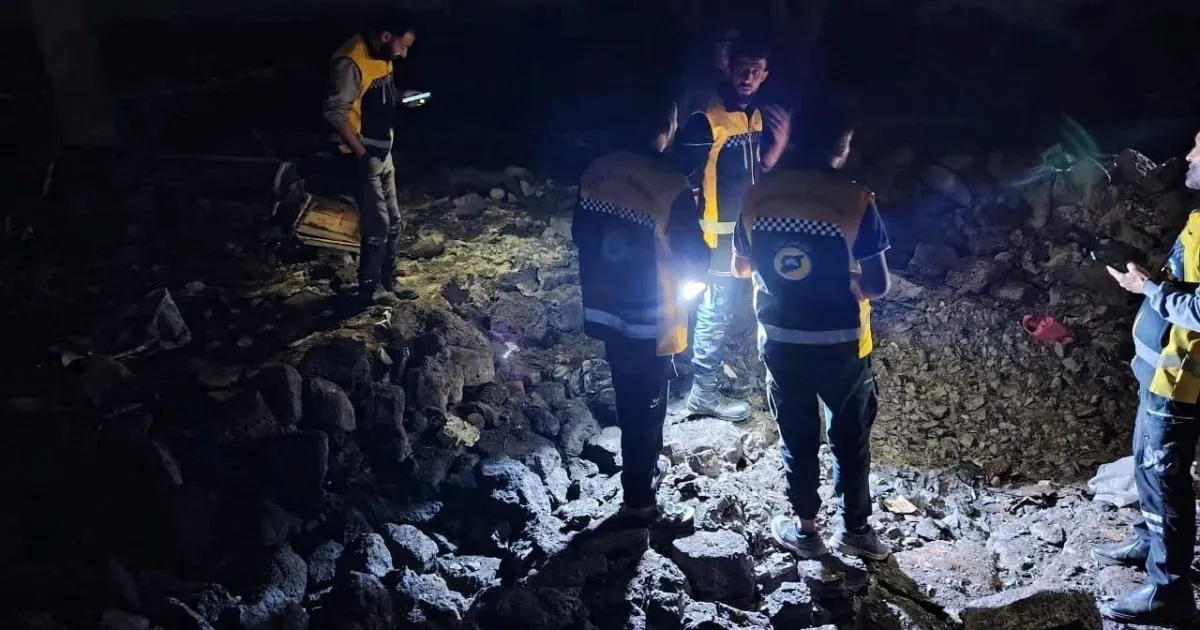
At least seven people were killed in the air strikes, according to reports from the Syria Civil Defence service. The strikes hit four distinct locations across the rural provinces of Deraa and Suweyda on Monday evening. The casualties include a diverse range of civilians, highlighting the impact on residential areas rather than just military targets.
The distribution of the casualties is as follows:
- Al-Tai Village (Deraa): A strike on a tent killed five members of a single family, including a man, a woman, and three children. Three other family members survived with injuries.
- Al Shayyah (Deraa): A strike killed an 80-year-old man.
- Shahba (Suweyda): A strike on a residential building killed a 60-year-old man.
- Muzayrib (Deraa): A strike hit a residential building in the Ain al-Basal area, though no casualties were reported from this specific location.
The Syrian Civil Defence has been actively involved in rescue operations in the aftermath of these strikes, working to recover bodies and assist the wounded in the affected provinces.
How has the diplomatic relationship between Jordan and Syria reacted?
A significant dispute has emerged regarding the coordination of the military strikes. While the Jordanian military claimed the operations were conducted "in coordination with the Syrian government," the administration in Damascus has flatly denied this. A statement from the Syrian government asserted that the attacks proceeded without any prior notification or coordination, prompting the launch of an official investigation into the matter.
The Syrian Foreign Ministry has characterized the strikes as a "treacherous attack." Officials indicated that the ministry is currently seeking ways to manage the fallout of the strikes while attempting to preserve Syrian sovereignty. This contradiction in narratives suggests a high level of tension between the two neighboring states, despite the claims of military cooperation.
What is the status of the Jordan-Syria border?
The Nassib crossing, which serves as the sole point for both commercial goods and passenger traffic between Jordan and Syria, has been closed. Following the Monday evening strikes, Syrian border authorities suspended all traffic in both directions. This closure has immediate implications for regional trade and the movement of people, as Nassib is a critical artery for economic activity between the two nations.
The suspension of services at the Nassib crossing adds an economic dimension to the security crisis, potentially disrupting supply chains and complicating the movement of civilians during a period of heightened military and political instability.
How is Jordan handling the domestic investigation?
Jordanian security forces have made progress in the domestic investigation regarding the Karak church shooting. On Monday, authorities arrested three suspects in the village of Al-Jadeeda. The suspects, identified as two brothers and their brother-in-law, were apprehended following a violent confrontation with security forces that lasted approximately three hours. A Jordanian government source confirmed that the suspects sustained serious injuries during the shootout.
This domestic crackdown is part of a broader effort to stabilize the country and address the security vulnerabilities exposed by the church attack. The focus remains on identifying all parties involved in the Karak massacre and ensuring that the security review ordered by the King results in strengthened protections for all religious minorities within the kingdom.
Frequently asked questions
How many people died in the Jordanian air strikes?
According to the Syria Civil Defence, at least seven people were killed during the strikes in Deraa and Suweyda. This death toll includes a man, a woman, and three children from a single family in Al-Tai, as well as an 80-year-old man and a 60-year-old man.
Why did Jordan carry out these air strikes?
Jordan carried out the strikes in retaliation for a deadly shooting at a Greek Orthodox church in the Karak governorate. The Jordanian military stated the goal was to target armed group hideouts in southeastern Syria in response to the attack that killed nine people in Jordan.
Is the border between Jordan and Syria open?
No, the Nassib crossing is currently closed. Syrian border authorities suspended all passenger and commercial traffic in both directions following the air strikes on Monday evening, affecting the primary transit point between the two countries.
Did the Syrian government coordinate with Jordan?
There is a contradiction in reports. The Jordanian military stated the strikes were coordinated with the Syrian government, but the Damascus government released a statement saying the attacks occurred without any prior notification or coordination and are under investigation.
Who were the targets of the Jordanian military?
The Jordanian Armed Forces targeted what they described as hideouts of armed groups in southeastern Syria. Jordanian spokesman Mohammad al-Momani stated that the strikes killed 20 fighters from the Islamic State, though civilian deaths were also acknowledged.
Key takeaways
- Jordanian air strikes in Syria killed at least seven civilians, including three children.
- The strikes targeted Islamic State hideouts in Deraa and Suweyda provinces.
- Syria has closed the Nassib border crossing, halting all commercial and passenger traffic.
- Jordanian authorities arrested three suspects following a shootout in Al-Jadeeda.
- Damascus denies any prior coordination with Jordan regarding the military strikes.
Conclusion
The escalation of violence between Jordan and Syria represents a significant shift in regional stability. What began as a domestic tragedy in the Karak governorate has transformed into a cross-border military confrontation with significant civilian costs. The death of seven civilians in Syria and the closure of the vital Nassib crossing highlight the heavy price of this retaliation. As the Syrian government investigates the uncoordinated strikes and Jordan continues its domestic security crackdown, the diplomatic rift between the two nations appears to be deepening, complicating regional security and economic continuity.



