
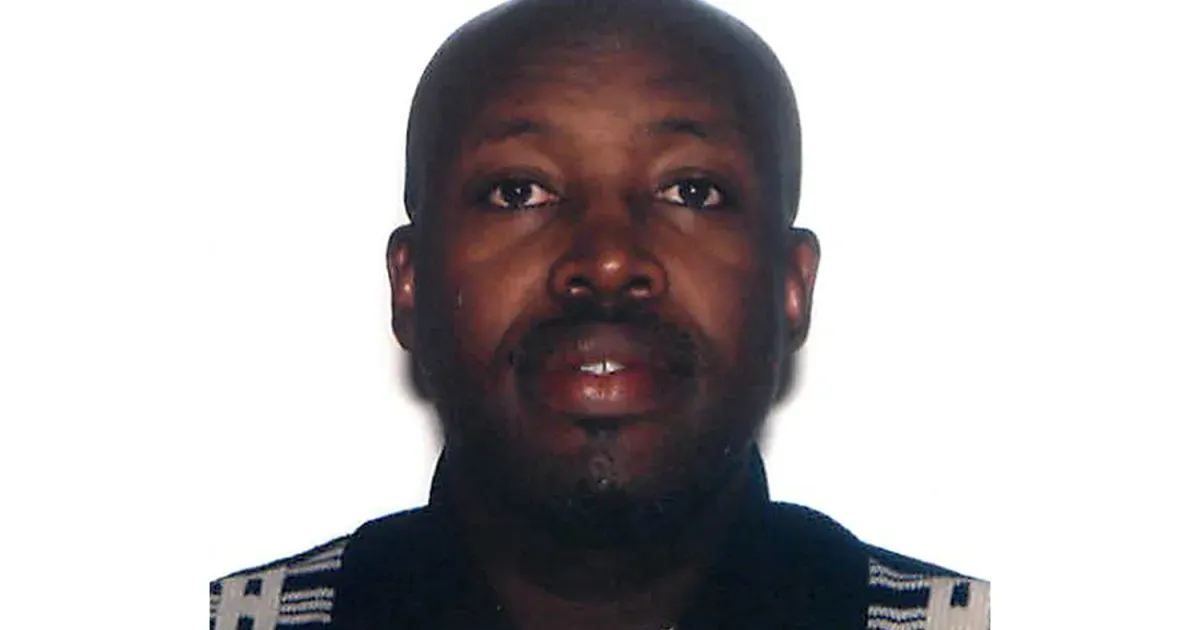
Jean Leonard Teganya deported to Rwanda over genocide claims
Jean Leonard Teganya, a former medical student accused of aiding the 1994 genocide against the Tutsi in Rwanda, has been deported from the United States to Rwanda. According to Rwanda’s National Public Prosecution Authority (NPPA), Teganya arrived at Kigali International Airport on the evening of November 9, 2026, accompanied by US security officers. He faces separate indictments in Rwanda for genocide and crimes against humanity in the former Butare prefecture. His deportation follows a US criminal conviction for immigration fraud and perjury related to his asylum claims.
November 17, 2026
4 min read
Source: ASHENVOW
The arrival and legal standing in Rwanda
Jean Leonard Teganya was handed over to Rwandan prosecutors immediately upon his arrival at Kigali International Airport on November 9, 2026. The National Public Prosecution Authority (NPPA) confirmed the transfer, noting that he was escorted by officials from the United States. This arrival marks a significant turning point in a legal saga that has spanned several decades and multiple continents.
The NPPA stated that Teganya had been indicted in 2014 regarding his alleged involvement in genocide and crimes against humanity. These allegations are specifically linked to the former Butare prefecture located in southern Rwanda. While the NPPA has confirmed the existence of the indictment, the authority has not yet released specific details regarding the individual charges or the precise nature of the evidence held by Rwandan prosecutors. Consequently, the exact scope of the Rwandan case remains partially undisclosed to the public.
The 2014 Rwandan indictment
Although the indictment was issued in 2014, the legal proceedings in Rwanda were effectively stalled while Teganya remained in the United States. The NPPA's recent statement confirms that the return of the accused allows the Rwandan judicial system to pursue the case within the jurisdiction where the alleged crimes occurred. It is important to note that the Rwandan authorities have not specified a date for his first court appearance, nor have they confirmed if the charges in Rwanda are identical to the evidence presented during his US trial.
Criminal convictions and the US legal process
Teganya's legal issues in the United States were centered on immigration fraud and perjury rather than direct charges of genocide. In September 2017, he was indicted on two counts of immigration fraud and three counts of perjury. These charges stemmed from his attempts to secure asylum by allegedly concealing his political affiliations and activities during the 1994 genocide.
A federal jury delivered a verdict on April 5, 2019, convicting Teganya on all five counts. Following the conviction, he was sentenced on July 1, 2019, to 97 months in prison. The sentencing judge included an enhancement for obstruction of justice, citing Teganya's false testimony provided during the trial proceedings. While Teganya attempted to challenge these findings, the US Court of Appeals for the First Circuit upheld both the convictions and the sentence in May 2021.
| Charge Type | Count | Outcome |
|---|---|---|
| Immigration Fraud | 2 | Convicted |
| Perjury | 3 | Convicted |
| Genocide (US Trial) | N/A | Not charged/Not convicted |
Allegations regarding the 1994 genocide
The evidence presented by US prosecutors during the 2019 trial detailed Teganya's alleged actions at the University Teaching Hospital of Butare during the 1994 genocide. According to the prosecution, Teganya was affiliated with the National Republican Movement for Democracy and Development (MRND), which was the ruling political party at the time, as well as the Interahamwe militia.
The US Department of Justice presented evidence suggesting that Teganya led groups consisting of soldiers and Interahamwe members through the hospital to search for Tutsi patients and refugees. The prosecution's account alleged that those discovered during these searches were taken away and killed behind the hospital's maternity ward. Furthermore, the evidence linked him to the following specific incidents:
- The killing of three Tutsi individuals at the hospital.
- The killing of Tutsi students residing in university accommodation.
- Participation in five instances of rape involving two Tutsi women who had sought refuge at the hospital.
It is critical to distinguish these findings from the Rwandan legal proceedings. While the US trial used these allegations to establish the fraudulent nature of his asylum claims, the US jury did not convict him of genocide. The Rwandan case remains a separate legal entity focused on the crimes themselves.
Biographical background and migration history
Born in 1971, Teganya was a medical student at the National University of Rwanda in Butare during the period of the genocide. At the time, he was also undergoing practical training at the University Teaching Hospital of Butare. His journey out of Rwanda and his subsequent migration path involved several countries before his arrival in the United States.
According to US court records, Teganya's movement following the end of the genocide in July 1994 included:
- Travel through what was then Zaire (now the Democratic Republic of the Congo).
- Transit through Kenya and India.
- Arrival in Canada in 1999.
In Canada, Teganya applied for asylum, but his applications were rejected in both 2002 and 2012. The Canadian authorities concluded that he likely would not have survived in Rwanda in 1994 had he not been perceived as sharing the intention to kill Tutsi and moderate Hutu individuals. After approximately 15 years of legal proceedings in Canada, Teganya evaded a deportation order and entered the United States on foot near Houlton, Maine, on August 3, 2014.
The complexities of international legal jurisdiction
The case of Jean Leonard Teganya represents a complex intersection of three distinct legal systems. Each system addressed different aspects of his actions and his status as a migrant. The movement of his case through these jurisdictions highlights the difficulties in prosecuting international crimes across borders.
The first layer was the Canadian asylum system, which focused on his eligibility for protection and assessed the risks he faced in Rwanda. The second layer was the United States criminal justice system, which focused on the veracity of his statements to immigration officials. The final layer is the Rwandan judicial system, which is now tasked with addressing the primary allegations of genocide and crimes against humanity. The central question for the Rwandan courts will be whether they can establish Teganya's individual responsibility for the specific crimes alleged in the 2014 indictment, more than three decades after the events took place.



