
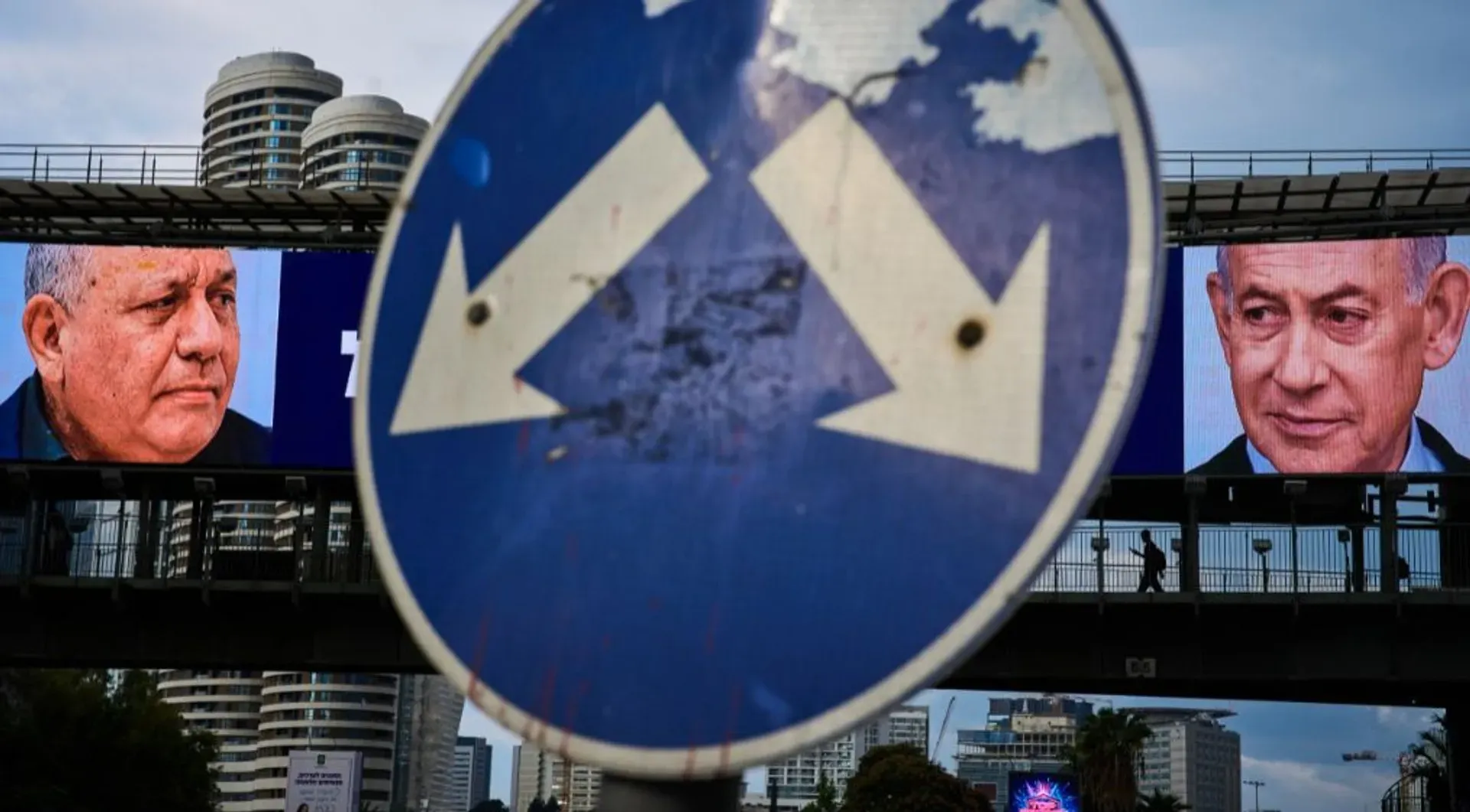
Israel elections result in no clear winner for government formation
Israeli voters produced no clear winner in the country's first election since the October 7 attacks and the subsequent war in Gaza. Neither Prime Minister Benjamin Netanyahu's alliance nor the main opposition bloc secured enough seats to form a government independently following Tuesday's high-turnout poll.
November 8, 2026
2 min read
Source: ASHENVOW
Deadlock between major political blocs
The recent parliamentary elections in Israel have resulted in a political stalemate. Prime Minister Benjamin Netanyahu's alliance, which consists of various right-wing and far-right parties, failed to secure a majority in the Knesset. This outcome follows what has been described as some of the most consequential elections in several decades.
Simultaneously, the primary opposition bloc has also failed to reach the necessary threshold to govern alone. This opposition group is led by former military chief Gadi Eisenkot. Despite the high voter turnout recorded on Tuesday, the fragmented nature of the results leaves the country without a decisive mandate for any single coalition.
Potential paths to coalition building
The absence of a clear majority raises questions regarding how a new government might be constructed. One critical factor involves the role of Arab-led political lists. While Netanyahu has previously refused to enter into agreements with these parties, it remains uncertain if the opposition alliance could successfully reach a deal with them.
The possibility of such cooperation is complicated by the ongoing military operations in Gaza and the occupied West Bank. The political landscape is currently defined by a struggle between those seeking systemic change and those driven by anti-Palestinian sentiment.
Context of the electoral cycle
These elections represent the first major democratic exercise in Israel since the events of October 7. The political climate has been heavily influenced by the ongoing conflict and the humanitarian situation in the region. The results reflect a deeply divided electorate navigating the aftermath of significant regional instability and internal political shifts.
Political leaders must now begin negotiations to determine if a viable coalition can be assembled from the current parliamentary makeup.



