
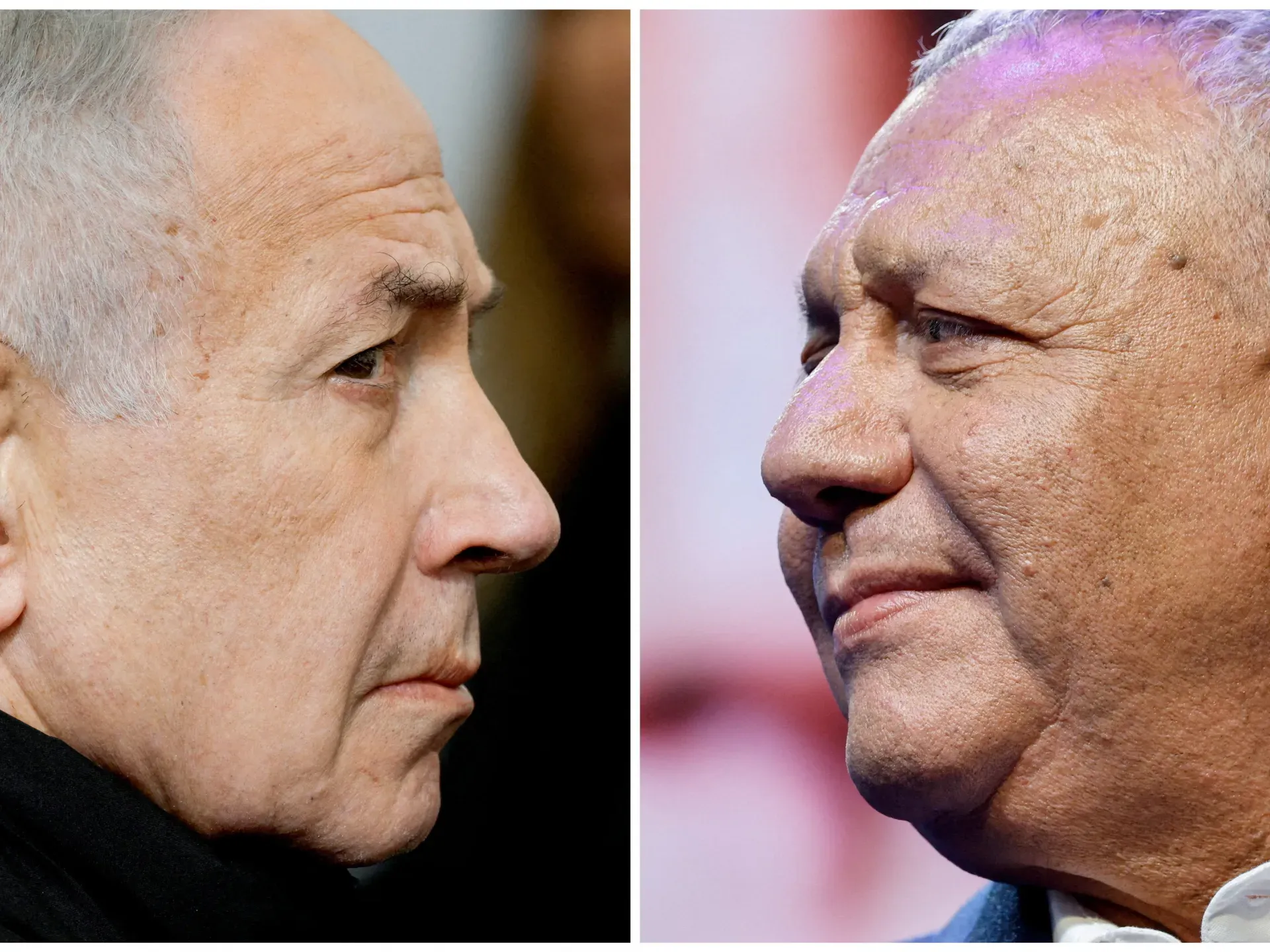
Israel election result shows no majority for Netanyahu or opposition
The Israel election result has left the country in a state of political deadlock, with no single bloc securing the 61 seats required for a parliamentary majority in the 120-member Knesset. According to reports from Haaretz, Prime Minister Benjamin Netanyahu’s bloc holds 53 seats, while the opposition bloc led by Gadi Eisenkot has secured 48 seats. Arab-led parties hold a combined 19 seats, making them the critical power brokers in upcoming coalition negotiations. This election, the first since the October 7, 2023, attacks, functioned as a significant referendum on the current administration. This article examines the seat distribution, coalition challenges, and the allegations of foreign interference.
November 8, 2026
5 min read
Source: ASHENVOW
How were the seats distributed in the 2026 Knesset election?
The preliminary vote count reveals a fragmented Knesset where neither the incumbent Prime Minister nor the primary opposition can govern alone. With over 99 percent of the ballots tallied, the political landscape is divided into three distinct pillars that must now navigate complex negotiations to form a functional government.
- Netanyahu Bloc: Holds 53 seats, falling short of the 61-seat threshold.
- Opposition Bloc: Led by Gadi Eisenkot, this group holds 48 seats.
- Arab List Parties: Hold a combined total of 19 seats.
While these figures are based on provisional results, the final outcomes are expected to be certified and officially announced by the Central Elections Committee by the following Wednesday. Until that certification, the exact distribution remains subject to minor fluctuations as the final tallies are processed.
What are the coalition options for the opposition?
Opposition leader Gadi Eisenkot is currently exploring various paths to break the deadlock, though he faces significant internal and external hurdles. Because the opposition bloc holds only 48 seats, any attempt to form a government will necessitate support from outside their immediate alliance, most notably from Arab-led parties.
Recent diplomatic movements among opposition figures include:
- Eisenkot and Bennett: Eisenkot, head of the Yashar party, met with former Prime Minister Naftali Bennett of the Together party to discuss rapid government formation.
- The Democratic Party Approach: Yair Golan, chairman of the Democrats, has engaged in discussions with Mansour Abbas, leader of the United Arab list (Ra’am), which is projected to secure eight of the 19 Arab seats.
The challenge of Arab party alliances
A major point of contention within the opposition is the willingness to partner with Palestinian citizens of Israel. While Yair Golan has signaled an openness to such a union, Gadi Eisenkot has publicly pledged not to enter into partnerships with Arab-led parties. This ideological divide creates an "uphill battle," as noted by Al Jazeera correspondent Nour Odeh, because the opposition cannot reach the 61-seat majority without some form of cooperation with the 19 seats held by Arab lists.
Why are there allegations of election interference?
The election has been marked by intense rhetoric, with Benjamin Netanyahu’s Likud party raising concerns regarding the integrity of the vote. Specifically, the Likud party has circulated claims that Arab-led parties may have "stolen" the election through the use of foreign assistance. These allegations, however, remain unsubstantiated.
The legal and security implications of these claims are currently being addressed by state institutions:
- Central Elections Committee: Justice Noam Sohlberg, head of the committee, received a letter citing "serious suspicions" of foreign interference.
- Shin Bet Investigation: Justice Sohlberg has requested that the Shin Bet security agency investigate these claims due to their serious nature, although he noted that the allegations could not be verified at this stage.
Gadi Eisenkot has responded to these claims by accusing the Prime Minister of attempting to delegitimize the democratic process. He argued that Netanyahu is using state institutions to serve personal political interests rather than the national interest.
What is the political impact of the result?
Political analysts suggest that even if the opposition fails to form a full coalition, the election results significantly weaken Netanyahu’s grip on legislative power. The shift in the Knesset's composition could lead to a change in key leadership roles that currently support the Prime Minister.
According to political analyst Xavier Abu Eid, the opposition might focus on replacing the current Speaker of the Knesset. Since the incumbent Speaker is a close ally of Netanyahu, a change in this position could strip the Prime Minister of a vital legislative tool. An opposition-aligned Speaker could facilitate the passage of legislation that challenges the current administration's policies.
The election is widely viewed as a referendum on Netanyahu's leadership following the events of October 7, 2023. The inability of his bloc to secure a majority suggests a significant portion of the electorate has rejected his current trajectory, even if a replacement government has yet to be solidified.
FAQ: Israel Election 2026
How many seats are needed for a majority in the Knesset?
A parliamentary majority in the 120-member Knesset requires 61 seats. In the 2026 election, neither the Netanyahu bloc (53 seats) nor the opposition bloc (48 seats) reached this threshold, necessitating coalition building with third-party groups.
Can Gadi Eisenkot form a government without Arab parties?
It is highly unlikely for Gadi Eisenkot to form a government without the support of Arab-led parties. With only 48 seats in his bloc, he requires additional support to reach 61, yet he has pledged not to enter formal partnerships with Palestinian Israeli parties.
What is the status of the election results?
The results are currently provisional, with over 99 percent of the ballots tallied. The final results are scheduled to be officially certified and announced by the Central Elections Committee by the following Wednesday, at which point the figures will be final.
Are the claims of foreign interference verified?
No, the claims of foreign interference remain unsubstantiated. While the head of the Central Elections Committee, Noam Sohlberg, has asked the Shin Bet to investigate "serious suspicions" raised by the Likud party, no evidence has been produced to confirm these allegations.
Who are the key figures in the coalition talks?
Key figures include Gadi Eisenkot (Yashar), Naftali Bennett (Together), and Yair Golan (Democrats). Golan is notable for his willingness to negotiate with Mansour Abbas, the leader of the United Arab list (Ra’am), to reach a majority.
Key takeaways
- No political bloc secured the 61 seats required for a majority in the 120-member Knesset.
- Benjamin Netanyahu's bloc holds 53 seats, while the opposition led by Gadi Eisenkot holds 48.
- Arab-led parties hold 19 seats, making them essential for any future coalition formation.
- The Central Elections Committee will officially certify the final results by next Wednesday.
Conclusion
The 2026 Israel election has resulted in a deeply divided parliament, reflecting a nation grappling with the aftermath of the October 7 attacks and ongoing conflict. With no clear winner, the coming days will be defined by intense, often fractured negotiations. The tension between the opposition's need for Arab party support and Gadi Eisenkot's refusal to partner with them remains the primary obstacle to stability. As the country awaits the official certification of results, the political focus shifts from the ballot box to the complex, high-stakes maneuvering required to form a functional government.



